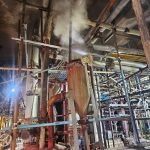
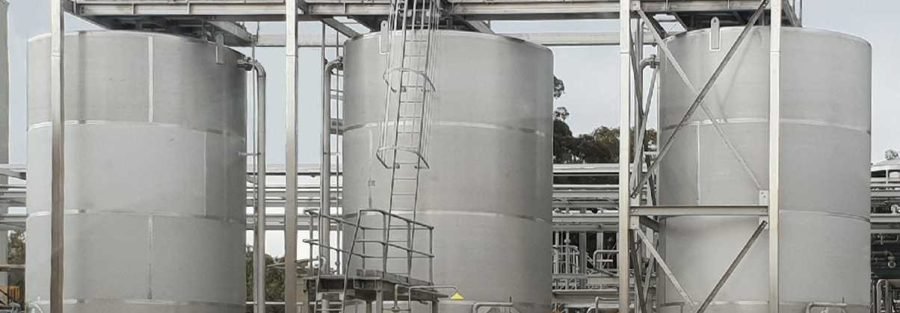
In this post, we explore the challenges of storing sulfuric acid in tanks. This highly corrosive and dangerous chemical can cause leaks, spills, and even catastrophic failures. We’ll look at how sulfuric acid affects storage tanks, the risks involved, and key strategies to safely manage and store sulfuric acid.
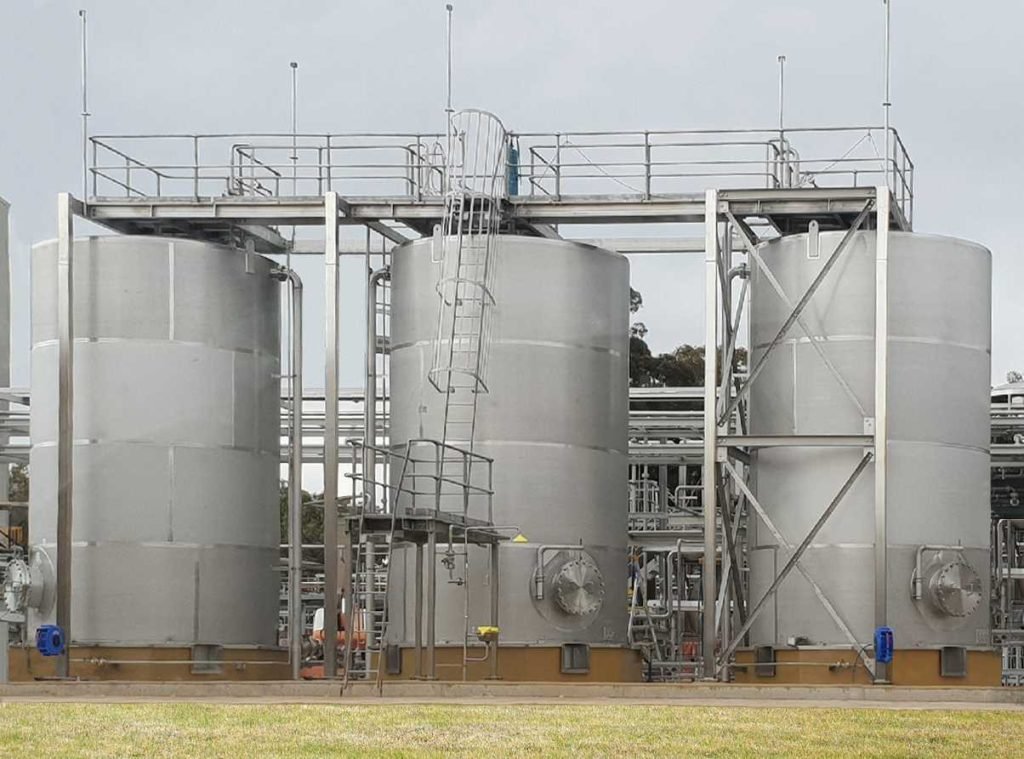
How Sulfuric Acid Affects Storage Tanks
- Corrosion: Sulfuric acid attacks steel and other materials, leading to corrosion, thinning, and weakening of tank structures.
- Leaks: Corrosion can cause leaks, which can result in environmental damage, accidents, and injuries.
- Hydrogen Gas: When sulfuric acid reacts with metals, it produces hydrogen gas, which can build up and potentially ignite.
- Heat: Reactions involving sulfuric acid can generate heat, increasing the risk of thermal accidents.
- Material Breakdown: Long-term exposure to sulfuric acid can degrade tank materials, compromising their strength.
Dangers of Storing Sulfuric Acid
Environmental Harm:
Leaks and spills from storage tanks can severely harm the environment, polluting water supplies and endangering wildlife.
Safety Risks:
Corrosion, leaks, and hydrogen gas buildup pose serious safety hazards, leading to accidents and injuries.
Equipment Damage:
Corrosion and material breakdown can damage storage tanks and their parts, leading to expensive repairs or replacements.
Operational Interruptions:
Failures in storage tanks can cause production delays and operational shutdowns, resulting in financial losses.
Strategies for Safe Sulfuric Acid Storage
To ensure the safe storage of sulfuric acid:
- Use tanks and components made from materials resistant to sulfuric acid corrosion.
- Perform regular inspections to detect signs of corrosion, leaks, or other issues.
- Ensure proper ventilation to prevent hydrogen gas buildup.
- Control storage temperatures to minimize heat generation and corrosion.
- Implement secondary containment measures to handle leaks and spills.
- Develop and follow strict handling, storage, and emergency procedures.
- Conduct routine maintenance to prevent equipment damage and maintain tank integrity.
Conclusion
Handling hazardous chemicals like sulfuric acid requires careful planning and implementation of safety measures. Storing sulfuric acid in tanks involves significant risks, but with the right precautions, these risks can be managed.
Using compatible materials, performing regular inspections, ensuring adequate ventilation, controlling temperatures, implementing secondary containment, and adhering to strict procedures are essential for safe and effective sulfuric acid storage.
If you encounter issues with sulfuric storage tanks, contacting CorroSafe Consultant experts for a free consultation is advantageous. Their expertise allows for a thorough inspection of the tank, precise diagnosis of problems, and the development of customized solutions.