A gas leak happens at a chemical plant. A fire breaks out. An explosion occurs. These events make headlines. They are sudden and shocking. But the story rarely starts with the leak or the explosion itself.
The true story begins much earlier. It starts with a slow, silent process of decay. A pipeline does not just burst one day. It fails after a long period of neglect. A pressure vessel does not rupture without warning. It gives up after its strength is gradually worn away.
These incidents are almost always preventable. They are the final, devastating outcome of a problem that was allowed to grow. This is why Asset Integrity is not just a good idea. It is non-negotiable for any responsible company.
A strong Asset Integrity Management program, or AIM, is designed to stop these failures. It is a structured, disciplined approach to safety. It ensures that equipment and structures are always fit for their purpose. They are safe to operate.
Understanding the Silent Threat: Corrosion
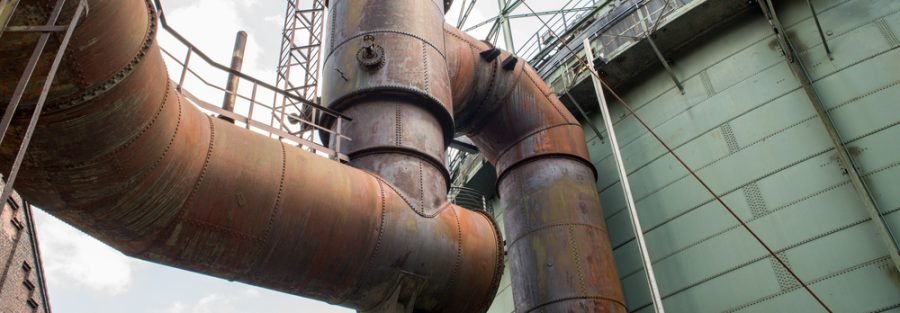
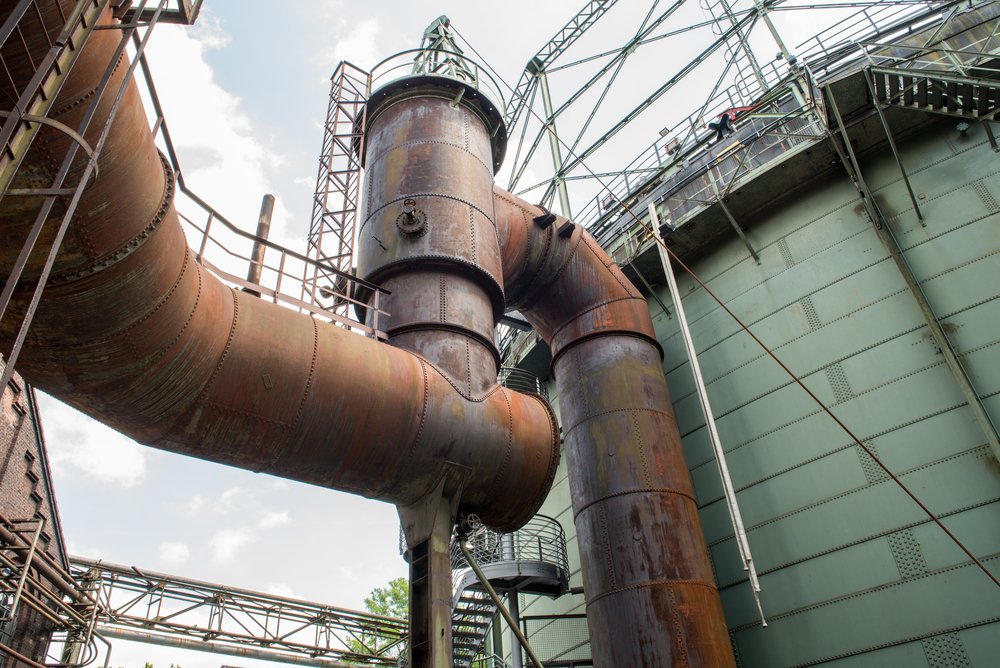
Often, the unseen culprit in industrial accidents is corrosion. Corrosion is a natural process. It is the gradual destruction of materials, usually metals, by chemical reactions with their environment.
Think of it as a silent enemy. It works slowly, out of sight. It eats away at the thickness of a pipe. It weakens the structure of a storage tank. It compromises the strength of critical equipment.
But here is the most important point. Corrosion is manageable. We cannot stop the natural process entirely. But we can control it. We can slow it down. We can monitor its progress. We can prevent it from causing catastrophic failures.
Ignoring corrosion is like ignoring a small leak in your roof. At first, it is just a minor annoyance. But over time, the water damage spreads. It rots the wood. It weakens the structure. Eventually, a large section of the ceiling could collapse.
The same principle applies to industrial assets. A small, unchecked corrosion spot can lead to a leak. That leak can lead to a fire, an explosion, or a toxic release.
The Solution: A United Front of AIM and CMS
A smart safety strategy does not rely on just one method. It uses multiple layers of protection. This is achieved by combining a strong Asset Integrity Management program with a focused Corrosion Management System, or CMS.
Think of AIM as the overall safety plan for your physical assets. It covers everything from design and operation to inspection and maintenance. The CMS is a vital part of that plan. It specifically targets the threat of corrosion.
Together, they create a powerful defense system. This system operates throughout the entire life of an asset, from its first day to its last.
The Lifecycle of Safety: From Design to Decommissioning
A proactive approach starts long before a piece of equipment is ever installed. It begins at the drawing board.
The first layer of defense is smart design and material selection. Engineers ask critical questions. What chemicals will this pipe carry? What pressures and temperatures will it face? What is the environment like? Answers guide the choice of materials. Selecting the right metal or alloy from the start can dramatically slow down corrosion.
The next layer is protection. This often involves applying special coatings or linings to metal surfaces. These coatings act as a barrier. They shield the metal from water, chemicals, and other corrosive elements. Another common method is cathodic protection. This technique uses electrical currents to prevent the corrosion reaction from happening.
The third, and ongoing, layer is inspection and monitoring. This is the heart of a living, breathing AIM program. We cannot just install equipment and forget about it.
Regular inspections are essential. These are not just quick visual checks. They use advanced technologies. Inspectors might use ultrasound to measure the thickness of a pipe wall from the outside. They can use radiography to see inside a weld. They use smart tools that can find tiny cracks and flaws long before they are visible to the human eye.
The goal is to find problems when they are small. A small problem is a cheap and easy fix. It can be scheduled and managed without shutting down the whole plant.
A Cultural Shift: From Reactive to Proactive
Implementing a true AIM program requires a major cultural shift. Many old-fashioned operations work on a “reactive” model. This is often called the “fix-it-when-it-breaks” mindset.
In this model, maintenance only happens after something has already failed. This is costly, dangerous, and disruptive. It turns small, manageable issues into full-blown emergencies.
A proactive culture is completely different. It is forward-thinking. The goal is to prevent failures from ever happening. It involves constant vigilance. It requires planning and scheduling maintenance based on data and risk.
This shift separates safe, reliable plants from those that are courting disaster. It builds a mindset where every employee understands the importance of asset integrity. Safety becomes everyone’s responsibility, not just the maintenance team’s.
The Business Case for Safety: More Than Just Compliance
Some companies view safety programs as a cost. They see them as a box to tick for regulatory compliance. This is a short-sighted and dangerous view.
Investing in asset integrity is a fundamental business decision. It is one of the smartest investments a company can make. Here is why.
First, and most importantly, it protects people. A safe plant is a place where workers can do their jobs without fearing for their lives. It protects the surrounding community and the environment from harmful accidents. There is no price tag that can be put on human life and well-being.
Second, it protects your bottom line. A major accident is incredibly expensive. There are direct costs like equipment repair or replacement. There are costs from production downtime. A shutdown can cost millions of dollars per day in lost product.
Then there are the massive costs of lawsuits, regulatory fines, and increased insurance premiums. The reputational damage can be even more costly. Customers lose trust. Investors get nervous. The social license to operate can be revoked.
A proactive AIM program prevents these catastrophic costs. It also leads to better efficiency. Well-maintained equipment runs more smoothly. It uses less energy. It has a longer lifespan. This means lower operating costs and higher profitability over time.
In short, asset integrity is not an expense. It is an investment in resilience, reliability, and reputation. It secures the trust of your community and stakeholders. This trust is the very foundation of your license to operate.
Conclusion: Building a Safer Future Together
The path to a safer industrial world is clear. It requires a committed, disciplined, and proactive approach to managing physical assets. We must move beyond simply reacting to emergencies. We must dedicate ourselves to preventing them.
This means building a culture that values safety above all else. It means investing in the right systems and technologies. It means empowering teams to monitor, inspect, and maintain equipment with unwavering diligence.
The goal is to never have another headline about a preventable tragedy. The goal is to ensure that every worker goes home safely to their family every day. The goal is to operate facilities that are not only productive but also responsible neighbors in their communities.
Achieving this level of safety and reliability is a complex challenge. It requires expertise, experience, and a rigorous methodology. This is where specialist partners can make a profound difference. Companies like Corrosafe Consultant exist to guide organizations on this journey. They provide the deep technical knowledge and systematic approaches needed to implement robust Asset Integrity and Corrosion Management systems.
By working with experts, companies can transform their operations. They can build a future where asset failure is not a question of “if,” but a known and managed risk. A future where integrity is truly non-negotiable.