In many industrial settings, wooden platforms have long been used as cost-effective solutions for scaffolding, flooring, or structural support. However, in environments where corrosion is a significant concern, wooden platforms can pose serious risks. When exposed to moisture, especially during leakages, wooden platforms absorb and retain water, exacerbating corrosion and compromising the structural integrity of surrounding systems.
In this blog, we’ll dive into why wooden platforms are not suitable in corrosion-prone environments, the potential dangers they pose, and how industries can address these risks by choosing more effective alternatives for structural support.
Why Wooden Platforms Are Problematic in Corrosive Environments
Wood has long been appreciated for its versatility and affordability in construction. However, it comes with a set of significant limitations when used in environments where moisture or corrosive elements are present. Here’s why wooden platforms are a cause for concern in corrosion-prone settings:
- Absorption and Retention of Moisture
Wood is highly porous, meaning it can easily absorb moisture from its environment. In areas where leakages occur, such as in chemical plants, storage tanks, or water treatment facilities, wooden platforms can soak up water and other liquids. This absorbed moisture creates an environment where corrosion can thrive, especially in metal structures beneath the platform. The moisture trapped within the wood acts as a constant catalyst for corrosion, causing metals to deteriorate at an accelerated rate.
- Exacerbation of Corrosion
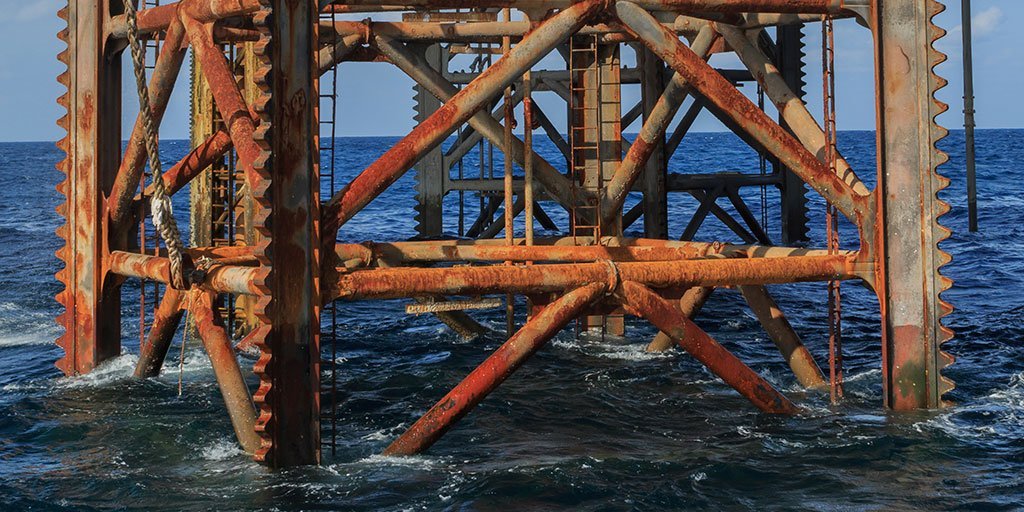
In industrial facilities, corrosive chemicals or salt-laden water can exacerbate corrosion when in contact with metal components. Wooden platforms retain moisture for prolonged periods, which encourages the formation of rust on surrounding metal surfaces. As the platform becomes saturated with water, it accelerates the process of oxidation, weakening the structural integrity of both the wood and the underlying metal supports. This compounded effect leads to severe and often hidden damage, which can go unnoticed until it’s too late.
As wooden platforms absorb moisture, they can warp, swell, and degrade over time. This not only affects the wood itself but also the structural components it supports. In cases where wood is used for critical support functions, this degradation can lead to instability. A warped or weakened platform can compromise the overall structural integrity of equipment, pipes, tanks, and machinery, creating safety hazards.
- Incompatibility with Industrial Environments
Wooden platforms, even when treated with sealants or coatings, are ill-suited for environments with extreme weather, fluctuating temperatures, or the presence of corrosive substances. These environments can cause wood to degrade more rapidly. Additionally, chemicals or treatments applied to protect wood may wear off over time, leaving the material vulnerable to deterioration once again.
The Risks: How Wooden Platforms Can Threaten Operations
The consequences of using wooden platforms in industrial settings can be significant, and often go beyond just financial costs. Here are a few of the major risks associated with wooden platforms that absorb moisture:
- Increased Maintenance and Repair Costs
When wooden platforms cause metal parts to corrode faster, it leads to a significant increase in maintenance costs. Equipment and structures may require more frequent repairs or replacements due to the accelerated corrosion caused by moisture retention. Additionally, the platforms themselves require regular maintenance, sealing, and inspections to prevent degradation, further adding to operational costs.
- Safety Hazards
In industrial settings, the safety of employees and contractors is paramount. Corroded metal components and unstable wooden platforms can pose serious risks to personnel, including trips, falls, and equipment failures. Moisture retention in wood can lead to slippery surfaces, increasing the risk of accidents. Moreover, structural instability could lead to a catastrophic failure, posing direct threats to life and property.
- Reduced Equipment Efficiency
Corrosion not only damages the physical components of equipment but also impacts their efficiency. For example, pipes, tanks, and other critical equipment may experience clogging, blockages, or reduced heat transfer due to corrosion. This lowers the overall efficiency of operations, leading to downtime and a loss in productivity.
- Environmental Impact
In cases where industrial systems leak hazardous substances, wooden platforms can absorb these chemicals, leading to environmental contamination. Additionally, the corrosive effects on equipment can result in leaks, spills, or even catastrophic failures, leading to harmful effects on the environment and violating environmental regulations.
What Can Be Done? Replacing Wooden Platforms with Durable Alternatives
To mitigate the risks associated with wooden platforms, industries should consider alternative materials that are more resistant to moisture, corrosion, and wear. Here are a few materials that can replace wooden platforms and provide superior protection:
- Fiberglass Reinforced Plastic (FRP)
Fiberglass reinforced plastic is a non-corrosive, durable alternative to wood. FRP is lightweight, strong, and resistant to moisture, chemicals, and temperature fluctuations. It’s ideal for environments where corrosion is a major concern, such as wastewater treatment plants, oil refineries, and chemical manufacturing plants. FRP platforms are also fire-resistant and require minimal maintenance compared to wood.
- Aluminum Platforms
Aluminum is a corrosion-resistant metal that can provide structural support without the moisture-retention issues of wood. Aluminum platforms are lightweight, easy to install, and resistant to rust, making them an excellent choice for industries that deal with corrosive substances. They also offer strength and stability while maintaining a long service life.
- Stainless Steel Platforms
For environments where strength and durability are critical, stainless steel platforms are an ideal choice. Stainless steel is highly resistant to corrosion, even in harsh chemical and marine environments. Stainless steel platforms can withstand high temperatures, moisture, and corrosive chemicals, providing a reliable and long-lasting solution for industrial applications.
- High-Density Polyethylene (HDPE) or Composite Materials
HDPE and composite materials are highly resistant to corrosion and moisture. These materials are particularly beneficial for areas that are prone to spills and leaks. HDPE and composites are non-porous, meaning they will not absorb moisture and can be easily cleaned and maintained, ensuring longevity and operational efficiency.
Conclusion: Protecting Your Infrastructure with the Right Material
Wooden platforms, though widely used, can pose significant risks in corrosive environments by absorbing moisture, accelerating corrosion, and compromising the structural integrity of surrounding equipment. As industries strive for higher operational efficiency, safety, and longevity of their assets, it is crucial to replace wooden platforms with more reliable and durable materials.
At “CorroSafe”, we specialize in corrosion prevention and asset integrity management. Our team of experts can help you identify the best materials for your infrastructure, ensuring that your equipment remains durable, reliable, and safe for years to come. Whether you’re dealing with moisture retention, corrosion, or structural instability, “CorroSafe” offers tailored solutions to keep your operations running smoothly.
Contact us today to learn how we can help you replace wooden platforms and improve your equipment’s performance and longevity.