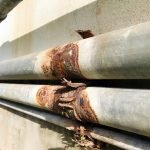
In industrial setups, particularly in chemical and manufacturing plants, the Carbon Fiber Composite (CFC) scrubber area plays a crucial role in controlling emissions and ensuring environmental compliance. However, energy loss in this area can significantly impact operational efficiency, increasing costs and reducing system performance. Addressing energy loss is vital not only for economic reasons but also for achieving sustainability goals.
This blog explores the causes, impacts, and solutions for energy loss in the CFC scrubber area.
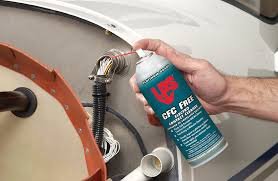
Understanding the Role of the CFC Scrubber
The CFC scrubber is designed to remove harmful gases, particulates, and other pollutants from process streams. It works by employing chemical reactions, absorption, or mechanical separation, depending on the type of contaminants and system configuration.
While highly effective at emission control, scrubbers can also be energy-intensive, and inefficiencies in their operation often lead to energy losses.
Common Causes of Energy Loss in the CFC Scrubber Area
- Inadequate System Design
- Improperly sized scrubber components, such as fans, pumps, or mist eliminators, can lead to excessive energy consumption.
- Poorly designed ducting causes pressure drops, requiring more energy to maintain airflow.
- High Pressure Drops
- Pressure drops across the scrubber, due to blockages, scaling, or inefficient packing materials, result in higher energy demand from blowers and fans.
- Heat Loss
- In thermal scrubbers or systems handling hot gases, insufficient insulation can lead to significant heat energy loss.
- Inefficient Liquid Distribution
- Uneven liquid distribution in wet scrubbers reduces mass transfer efficiency, requiring additional energy to meet performance standards.
- Wear and Tear of Equipment
- Ageing components, such as pumps, fans, or nozzles, lose efficiency over time, consuming more energy to deliver the same performance.
- Suboptimal Operation
- Operating conditions deviating from the design parameters, such as flow rates or chemical concentrations, lead to inefficiencies and unnecessary energy consumption.
- Fouling and Scaling
- Accumulation of deposits on internal surfaces reduces system efficiency, increasing energy requirements.
Consequences of Energy Loss
- Higher Operational Costs
- Increased energy consumption leads to higher utility bills, affecting the bottom line.
- Reduced System Efficiency
- Energy losses can compromise scrubber performance, potentially leading to regulatory non-compliance.
- Environmental Impact
- Excess energy use increases the carbon footprint, undermining sustainability efforts.
- Equipment Stress
- Overworking fans, pumps, and other components shortens their lifespan, increasing maintenance costs.
Strategies to Minimise Energy Loss
- Optimise System Design
- Conduct detailed engineering assessments to ensure proper sizing and configuration of scrubber components.
- Use low-pressure drop packing materials to improve flow efficiency.
- Enhance Insulation
- Apply high-quality insulation materials to minimise heat loss in thermal scrubbers.
- Regularly inspect and replace worn insulation to maintain effectiveness.
- Regular Maintenance
- Clean and inspect scrubber components periodically to prevent fouling and scaling.
- Replace worn-out parts such as fans, pumps, and nozzles to maintain efficiency.
- Upgrade Technology
- Invest in energy-efficient equipment, such as variable frequency drives (VFDs) for fans and pumps.
- Implement advanced mist eliminators and distribution systems for better mass transfer.
- Monitor and Control Operations
- Use sensors and automation to monitor flow rates, pressure drops, and chemical dosing in real-time.
- Adjust operational parameters dynamically to match changing process conditions.
- Energy Recovery Solutions
- Install heat exchangers to recover waste heat from hot gases exiting the scrubber.
- Use recovered heat in upstream processes to reduce overall energy consumption.
Conclusion
Energy loss in the CFC scrubber area is a multifaceted issue that demands attention for operational, economic, and environmental reasons. By addressing design inefficiencies, maintaining equipment, and adopting modern technologies, industries can significantly reduce energy losses while enhancing scrubber performance.
Energy loss in the CFC (Carbon Fiber Composite) scrubber area is a significant concern for industries aiming to optimise efficiency and reduce costs. The “CorroSafe” solution is designed to address such challenges comprehensively, offering tailored strategies to mitigate energy losses and enhance system performance. By leveraging advanced technologies and expert support, “CorroSafe” ensures sustainable and cost-effective operations in critical industrial environments.