What is Pipeline Corrosion?
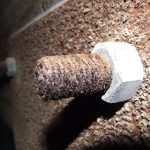
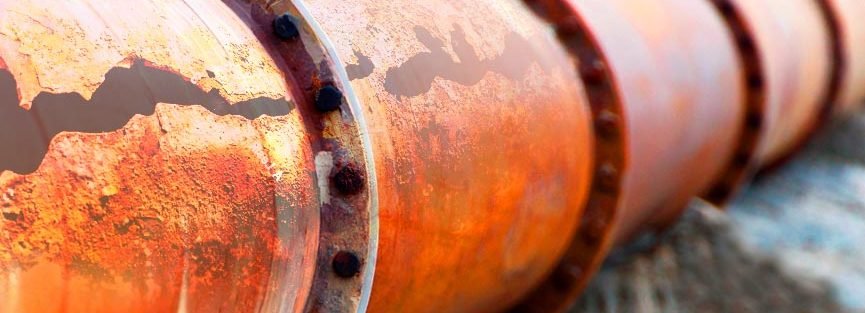
Pipeline corrosion happens when the metal in pipes reacts with soil, water, or gas around it. This reaction can weaken the metal, making it thin and eventually causing it to fail. Such failures can lead to leaks, spills, and dangerous situations.
Different Types of Pipeline Corrosion
- Uniform Corrosion: The entire surface of the metal corrodes at the same pace.
- Pitting Corrosion: Small pits or holes form on the surface of the metal.
- Stress Corrosion: Cracks form when the metal is under stress in a corrosive environment.
Why Effective Pipeline Protection Matters
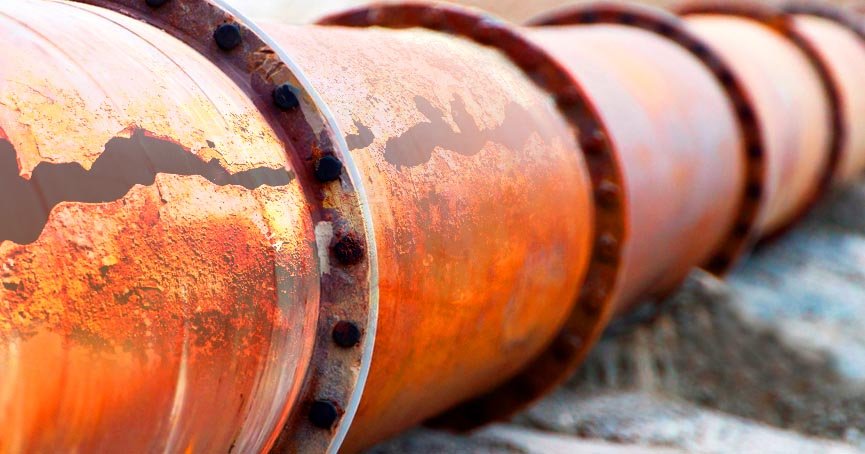
- Ensuring Safety and Durability: Pipelines are essential for transporting resources over long distances. They are crucial to infrastructure but can be damaged by corrosion. Protecting pipelines ensures they stay safe, last longer, and avoid environmental harm.
- Preventing Corrosion: If not controlled, corrosion can weaken pipeline walls, causing leaks and ruptures. These can lead to severe environmental damage and put lives at risk. Regular inspection and maintenance help spot and fix corrosion early.
- Protection from Natural Disasters: Natural events like strong winds, floods, and earthquakes can damage pipelines. Effective protection includes designing pipelines to withstand such disasters and having emergency plans to minimize damage.
- Meeting Regulatory Standards: Pipeline operators must follow various regulations. Not complying can lead to legal, financial, and reputational issues. Effective pipeline protection means adhering to industry standards and regulations.
Methods to Protect Pipelines
- Coatings: Applying materials like paint, epoxy, or polyethylene to the pipeline surface protects it from the environment. The coating acts as a barrier, preventing corrosion.
- Cathodic Protection: This method uses an electrical current to prevent corrosion. The current makes the metal negatively charged, stopping corrosion.
- Chemical Inhibitors: These are added to the transported materials (water, gas, or oil) to prevent corrosion inside the pipeline.