Alumina absorber columns play a crucial role in various industrial applications, especially in processes related to gas absorption and chemical separation.
These columns are often used in refining operations, petrochemical plants, and other industrial facilities to remove contaminants from gas streams.
However, over time, these columns may experience a significant issue: wall thinning. Wall thinning in alumina absorber columns can lead to safety hazards, operational inefficiencies, and costly repairs if not properly addressed.
In this blog post, we will explore the major causes of wall thinning in alumina absorber columns, the potential consequences, and strategies for prevention and mitigation.
What Is Wall Thinning in Alumina Absorber Columns?
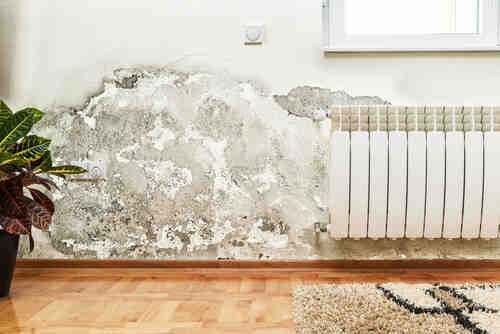
Wall thinning refers to the gradual reduction in the thickness of the absorber column’s walls due to corrosion, erosion, or chemical degradation.
This thinning compromises the structural integrity of the column and can reduce its ability to withstand the pressure and temperature conditions it is designed for.
In the context of alumina absorbers, which are typically used to capture impurities or specific components from gas streams, wall thinning can occur both on the interior and exterior surfaces of the column.
Common Causes of Wall Thinning in Alumina Absorber Columns
Several factors contribute to wall thinning in alumina absorber columns. These can be broadly classified into chemical, mechanical, and operational causes:
- Corrosion
Corrosion is the most common cause of wall thinning in industrial columns. In the case of alumina absorber columns, the materials of construction are often exposed to harsh chemical environments, especially when the absorber is used to treat acidic or corrosive gases. Over time, exposure to chemicals such as sulphur compounds, carbon dioxide, or hydrogen chloride can lead to the breakdown of the metal alloys used in the column walls.
In addition, corrosion can be accelerated by factors like:
- High temperature: Elevated temperatures in the absorber column can enhance the rate of corrosion, especially in the presence of water or acidic substances.
- Acidic or alkaline conditions: The pH of the absorbed gas and liquids can significantly impact the corrosive effects on the column material.
- Water condensation: Moisture accumulation on the surface of the column can lead to the formation of corrosive electrolytes, further promoting corrosion.
- Erosion
Erosion is another critical factor that leads to wall thinning in alumina absorber columns. It occurs when high-velocity gas streams or particulate matter carried with the gas come into contact with the column walls. This mechanical wear can gradually erode the surface, leading to thinning over time.
In particular, the use of solid adsorbents, such as alumina, in the absorption process can contribute to particulate abrasion. The repeated impact of these particles against the column walls causes localised damage, accelerating the thinning process.
- Thermal Stress
Alumina absorber columns are often exposed to significant temperature fluctuations during operation. The thermal expansion and contraction of the column material can lead to stress fractures and micro-cracking. Over time, these cracks can exacerbate the corrosion and erosion processes, further accelerating wall thinning.
- Operational Factors
Improper operational conditions can exacerbate wall thinning in alumina absorber columns. For example:
- Excessive flow rates: High gas flow velocities can increase the erosive impact on the column walls.
- Inadequate maintenance: Failure to properly maintain the absorber column, including the cleaning of internal surfaces or replacement of damaged components, can contribute to the worsening of wall thinning issues.
- Incorrect gas composition: If the composition of the gas stream deviates from the design specifications, it could introduce substances that cause or accelerate corrosion or erosion.
Consequences of Wall Thinning
The consequences of significant wall thinning in alumina absorber columns can be severe. Some of the most notable impacts include:
- Reduced Structural Integrity
As the wall thickness decreases, the structural strength of the absorber column is compromised. This can lead to failures under pressure, causing catastrophic incidents such as leaks, ruptures, or even explosions in extreme cases.
- Loss of Efficiency
Wall thinning can affect the overall efficiency of the absorber column. For example, if the thinning occurs in critical areas where gas or liquid flow is controlled, it could result in uneven distribution, poor absorption performance, and reduced capacity. This may lead to an increase in operational costs and a reduction in the quality of the final product.
- Increased Maintenance and Repair Costs
Once wall thinning is detected, the column will require repairs or replacement, both of which can be expensive and time-consuming. Moreover, if the thinning goes unnoticed or unaddressed, it can result in costly downtime and production losses.
- Safety Risks
The most serious consequence of wall thinning is the increased risk of accidents or catastrophic failure. If the thinning reaches a critical point, the column may become unable to handle the internal pressure or chemical reactions, leading to leaks, spills, or even explosions that pose significant safety hazards to personnel and the environment.
Preventing and Mitigating Wall Thinning
Preventing and mitigating wall thinning in alumina absorber columns requires a combination of design, operational, and maintenance strategies. Here are some best practices:
- Material Selection
Choosing the right material for the construction of the absorber column is essential. Materials that are resistant to corrosion, erosion, and thermal stress should be considered, especially for high-temperature and corrosive applications. Alloy steels, stainless steels, and other resistant alloys can help minimise the risk of thinning due to corrosion and erosion.
- Regular Inspections and Monitoring
Routine inspections using non-destructive testing (NDT) methods such as ultrasonic thickness measurements, x-ray imaging, or electromagnetic testing can help detect early signs of wall thinning. Regular monitoring of the chemical composition of the gas stream and the temperature inside the column can also provide valuable insights into the potential causes of wall degradation.
- Optimise Operational Conditions
Maintaining optimal flow rates, gas compositions, and temperatures within the absorber column is crucial for reducing the risk of wall thinning. Operators should also be trained to identify and correct issues that could lead to excessive erosion or corrosion, such as high particulate loading or excessive moisture.
Applying protective coatings to the internal and external surfaces of the column can help reduce the impact of corrosion and erosion. Coatings made from materials such as epoxy, polyurethane, or ceramic can create a barrier that shields the column material from direct exposure to harmful gases and liquids.
- Timely Repairs and Maintenance
Early detection of wall thinning allows for timely repairs before the problem becomes more severe. In some cases, the installation of internal linings, cladding, or sacrificial materials can extend the life of the column and prevent further degradation.
Conclusion
Wall thinning in alumina absorber columns is a significant issue that can affect both the safety and efficiency of industrial operations. Understanding the causes of wall thinning – whether due to corrosion, erosion, thermal stress, or operational factors – is crucial for preventing and mitigating its effects. By adopting appropriate materials, monitoring strategies, and maintenance practices, companies can extend the life of their absorber columns and ensure safer, more reliable operations.
One such solution is “CorroSafe”, a cutting-edge technology designed to mitigate corrosion and improve the durability of industrial equipment, including alumina absorber columns. “CorroSafe” offers a range of benefits that help address the major wall thinning problems, offering both proactive protection and long-term solutions.