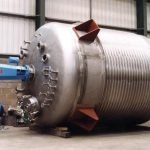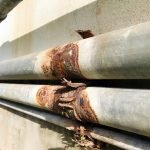
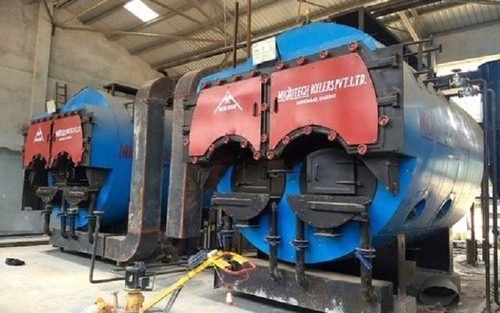
In coal-fired boilers, tube leakage is a common but critical issue that can significantly impact efficiency, safety, and operational costs. Tubes play a vital role in heat transfer, ensuring the boiler generates steam efficiently. However, their constant exposure to high temperatures, pressure, and corrosive gases makes them susceptible to damage.
This blog delves into the causes, consequences, and prevention of tube leakage in coal-fired boilers.
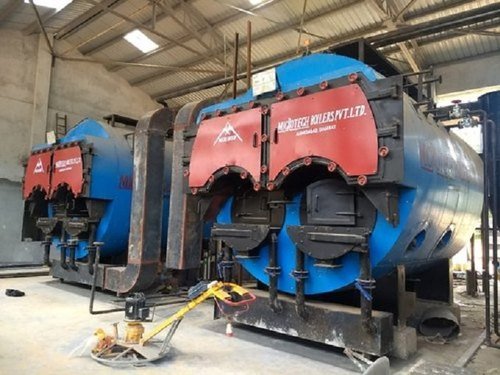
Understanding Tube Leakage
Tube leakage refers to the loss of fluid (steam or water) through cracks, holes, or ruptures in boiler tubes. It often leads to boiler downtime, reduced efficiency, and, in severe cases, catastrophic failure.
Common Causes of Tube Leakage
- Corrosion and Erosion
- Water-Side Corrosion: Poor water quality or inadequate treatment can lead to scaling and pitting, weakening the tube material.
- Gas-Side Erosion: High-velocity flue gases carrying abrasive particles can erode the outer surface of tubes.
- Overheating
- Overheating occurs when deposits (such as slag or ash) insulate the tube, preventing heat dissipation and causing the metal to exceed its temperature limit.
- Fatigue and Stress
- Repeated temperature fluctuations cause thermal fatigue, leading to cracks.
- Mechanical stresses from improper alignment or excessive vibration can exacerbate this issue.
- Material Defects or Ageing
- Defects in manufacturing or prolonged exposure to harsh conditions weaken the structural integrity of the tubes.
Consequences of Tube Leakage
- Operational Downtime
- Leakage often necessitates unplanned shutdowns, disrupting power generation and reducing availability.
- Efficiency Loss
- Escaping steam or water impacts heat transfer efficiency, leading to increased fuel consumption.
- Safety Hazards
- High-pressure leaks can lead to explosions, posing risks to personnel and equipment.
- High Maintenance Costs
- Frequent repairs and tube replacements drive up operational expenses.
Strategies for Prevention and Management
- Regular Inspections
- Conduct periodic non-destructive testing (NDT) methods like ultrasonic or radiographic tests to identify weaknesses early.
- Water Quality Control
- Ensure proper water treatment to minimise scaling and corrosion. Use demineralized water and monitor pH levels regularly.
- Optimised Boiler Operation
- Maintain consistent operating conditions to reduce thermal stress. Implement proper start-up and shutdown procedures.
- Material Selection and Coatings
- Use high-quality materials with better resistance to high temperatures and corrosion. Protective coatings or cladding can enhance durability.
- Erosion Prevention
- Install soot blowers and maintain flue gas flow velocities within permissible limits to minimise erosion.
- Proactive Maintenance
- Implement predictive maintenance systems using AI and IoT to monitor tube conditions and preempt failures.
Conclusion
Tube leakage in coal-fired boilers is a multifaceted issue requiring a comprehensive approach to management. While addressing the immediate symptoms is essential, focusing on root cause prevention and implementing robust maintenance practices will ensure long-term operational efficiency. By investing in regular inspections, quality materials, and advanced monitoring technologies, industries can mitigate the risks and enhance the reliability of their boilers.
Have you faced tube leakage issues?
Share your experiences or tips in the comments below. Let’s collaborate to keep our boilers safe and efficient!