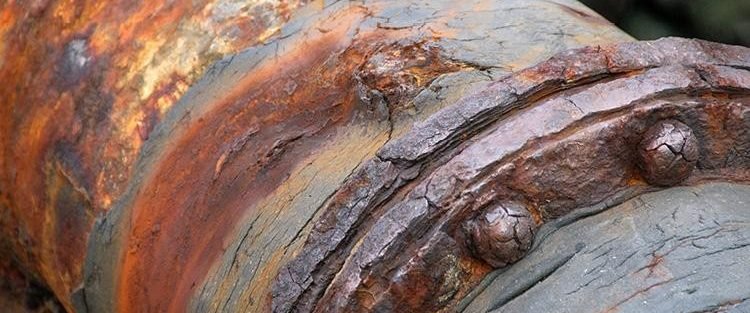
Stress corrosion cracking (SCC) is a hidden danger in the chemical, petrochemical, and power plant industries, leading to significant financial losses and even loss of life.
SCC occurs when tensile stress, environmental factors, and specific metallurgical conditions come together. It causes extensive damage to metals and alloys, with cracks spreading throughout the material, often leading to catastrophic failures.
These cracks can start at stress levels lower than what the material is designed to handle.
Key Factors Leading to Stress Corrosion Cracking
- Materials: Includes Stainless Steel, Copper & Copper Alloys, Aluminium & Aluminium Alloys, Carbon Steel, and Titanium Alloy.
- Environments: Specific environmental conditions that interact with the materials.
- Stresses: Tensile stresses that the materials are subjected to.
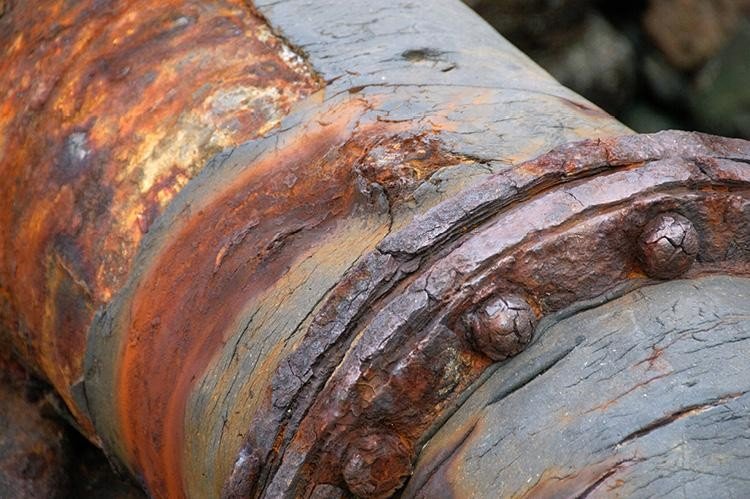
How Stress Corrosion Cracking Happens
SCC occurs due to a mix of mechanical, physical, and chemical/electrical factors, which together cause cracks to form and grow. Three main mechanisms explain how SCC happens:
- Pre-existing Active Path Mechanism: Cracks form along pre-existing weak paths in the material.
- Strain-generated Active Path Mechanism: New cracks form due to strain in the material.
- Adsorption-related Phenomenon: Environmental elements adsorb onto the material, leading to cracks.
Preventing Stress Corrosion Cracking
- Post-Weld Heat Treatment: Reduces tensile stress in welded areas.
- Injection Peening: Also reduces tensile stress.
- Removing Corrosive Substances: Techniques like degassing, demineralization, or distillation can help.
- Material Substitution: Using materials like Inconel instead of less resistant metals.
- Cathodic Protection: Effective techniques to prevent SCC in steel.
- Adding Inhibitors: High phosphate inhibitors can be effective.
- Applying Coatings: Keeps the metal surface free from corrosive substances.
Case Study: High Alloy Materials and SCC
Corrosion-resistant materials like stainless steel can still suffer localized corrosion, including pitting and cracking, under certain conditions.
Stress corrosion cracking in containers, pipes, and equipment is difficult to predict and can cause severe damage. Tests like evaporation tests at high temperatures (100-300°C) and Water Resistance Testing (DET) help evaluate how resistant materials are to SCC.
Conclusion
Evaluating the resistance of duplex steels to stress corrosion cracking shows promising results. Duplex steels are less susceptible to SCC compared to austenitic steels.
Droplet evaporation testing (DET) is an effective method to study the initiation and propagation of microcracks under high-temperature conditions. These tests reveal that duplex steels have better resistance to corrosion cracking, making them a reliable choice for environments prone to SCC.