What is Pipe Corrosion?
Pipe corrosion happens when the material of a pipe starts to break down. This is a big problem for those who install pipes, often leading to frustration.
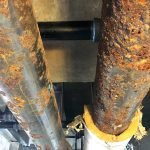
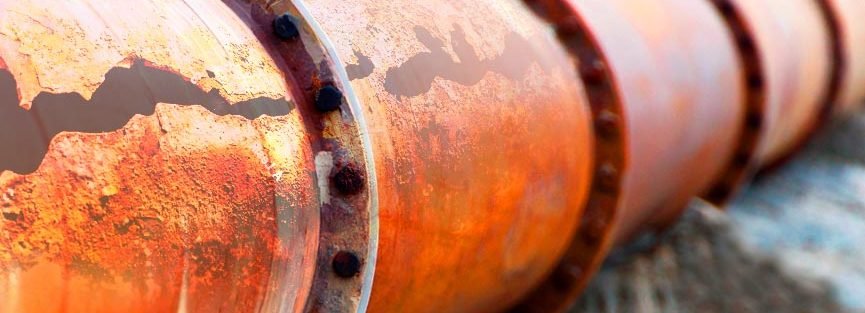
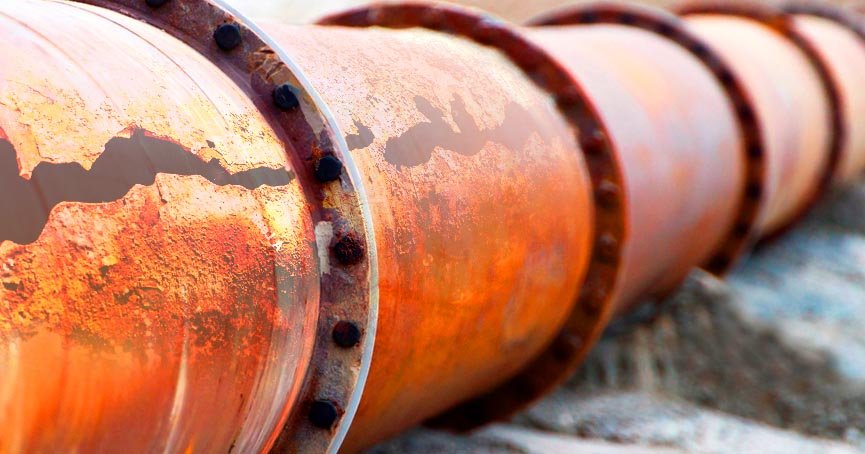
You’ve likely seen rusty pipes or metal pieces. These rusted parts look worn out or eaten away. This is a sign that the pipe or structure is corroding.
Why Should You Care?
When metal corrodes, it becomes weak and could fail without warning. This can be very dangerous, especially for pipes and beams.
Common Causes of Corrosion:
- Contact with Other Substances: Corrosion often starts when metal touches water, oxygen, grime, or other metals. Each of these can trigger corrosion for different reasons.
- Chemical Reactions: Corrosion is a chemical reaction where the metal loses electrons. This makes the metal weak. When metal contacts an electrolyte like water, it loses electrons faster.
As a result, the metal can develop rust, cracks, and holes. Sadly, once corrosion begins, it tends to get worse. However, there are ways to prevent it.
How to Prevent Pipe Corrosion
1. Monitor Your Water Quality
Water can cause a lot of corrosion, especially in copper pipes.
- pH Levels: Keep the pH level of your water between 6.5 and 8.5 as recommended by the EPA.
- Oxygen Levels: High oxygen levels in water can lead to rust and blockages.
- Temperature: Keep water temperatures low because hotter water causes more corrosion.
2. Keep Pipes Clean
Microbiologically induced corrosion (MIC) happens when pipes are exposed to certain bacteria.
- Regular Cleaning: Clean your pipes regularly to prevent MIC, especially if they come into contact with sulfides.
- Use Inhibitors or Biocides: These can help keep fluids clean.
- Chemical Treatment: Consider treating water or other liquids chemically to prevent corrosion.
3. Add Protective Coatings
- Protective Linings: Use these inside pipes to prevent corrosion.
- Special Coatings: Apply these on other surfaces like beams, joints, and bolts.
- Galvanization: This involves coating metal surfaces with zinc to protect them.
- Sealants: Use these to prevent bacteria from settling in joints or crevices.
4. Maintain Structural Stability
- Prevent Friction: Openings in metal can cause friction, leading to wear and tear.
- Use Restraints: U-bolts, straps, and clamps can reduce vibrations and minimize corrosion risk.
5. Prevent Metal-to-Metal Contact
- Insulate Metals: Different metals can corrode each other when they touch. Insulators like wear pads or pipe shoes can prevent this.
- Use Buffers: Adding a buffer between metals helps them last longer.
Industry-Wide Corrosion Prevention
No matter your industry, we can help you stay safe from corrosion. Visit our website for solutions tailored to your specific needs. Let’s keep your structures and equipment durable and safe!