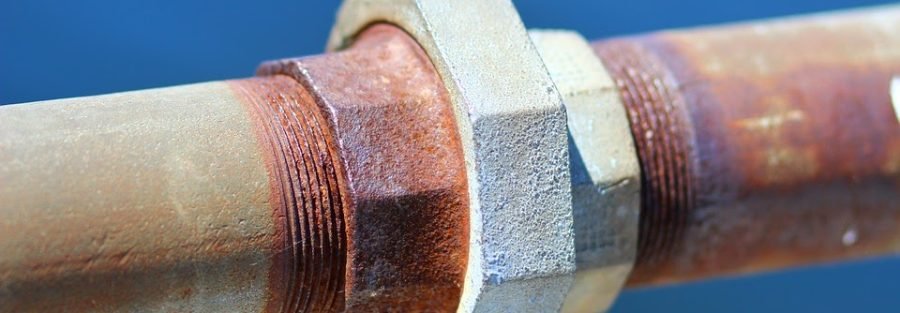
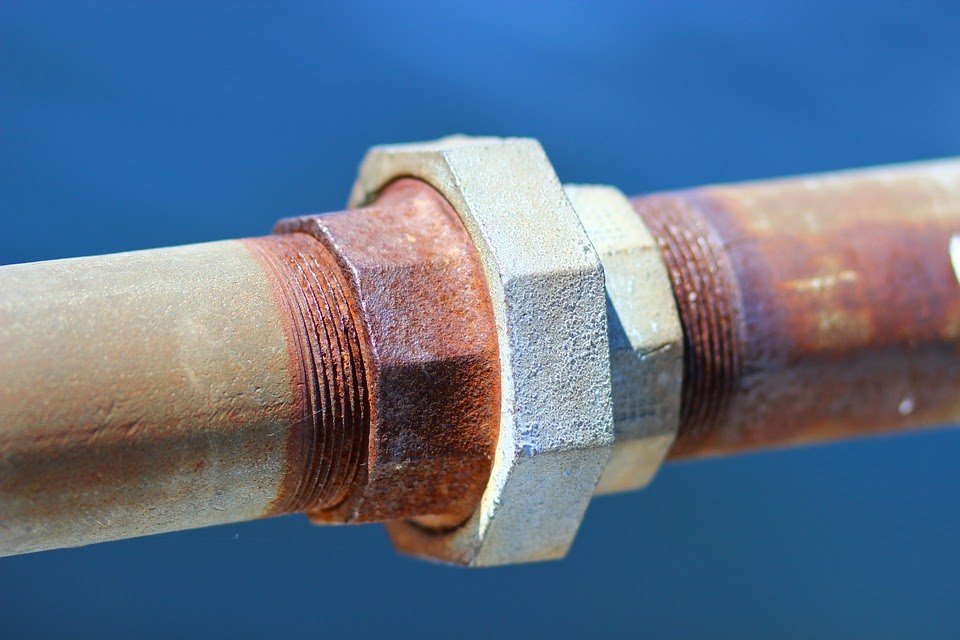
Pipes are crucial to our infrastructure, but they can corrode over time, leading to leaks, reduced flow, and even serious failures. This can result in expensive repairs, replacements, and potential safety risks. It’s vital to take steps to prevent pipe corrosion.
Select the Right Material
Choosing the correct material for your pipes is key to preventing corrosion. Different materials resist corrosion differently, so pick one that suits your needs. For pipes carrying corrosive substances, select a material that resists those substances. Common pipe materials include copper, steel, and plastic.
Apply Protective Coatings
Protective coatings add an extra layer of defense against corrosion. These can be applied during manufacturing or after installation. Popular coatings include epoxy, polyurethane, and PVC. The right coating depends on the pipe’s application and environment.
Use Cathodic Protection
Cathodic protection involves using a more reactive metal as a sacrificial anode connected to the pipe. This anode corrodes instead of the pipe, thus protecting it. This method is often used for underground pipes and pipelines.
Add Corrosion Inhibitors
Corrosion inhibitors are chemicals added to the fluid inside pipes to prevent corrosion. They form a protective layer on the pipe’s surface, shielding it from corrosive substances. Select the right inhibitor for the specific fluid in the pipe.
Control pH Levels
The pH of the fluid in the pipe can impact its corrosion rate. Acidic or alkaline environments can accelerate corrosion. Controlling the pH by adding chemicals to the fluid can help prevent this.
Ensure Proper Installation
Proper installation is critical in preventing pipe corrosion. Poor installation can cause stress, leading to cracks and leaks that expose pipes to corrosive environments. Use correct supports and anchors to prevent excessive movement and stress.
Regular Inspection and Maintenance
Regularly inspect and maintain your pipes to catch early signs of corrosion, such as discoloration or pitting. Early detection can prevent further damage and reduce repair costs. Maintenance includes cleaning pipes, repairing leaks, and replacing damaged sections.
How CorroSafe Consultants Can Assist You
- Corrosion Risk Assessment
- Material Selection
- Corrosion Mitigation Strategies
- Corrosion Monitoring
- Troubleshooting and Failure Analysis
- Inspection and Testing
- Training and Education
Benefits of Working with CorroSafe Consultants
- Extended Asset Lifespan
- Reduced Downtime
- Enhanced Safety
- Cost Savings
- Regulatory Compliance
Conclusion
Choosing the right prevention methods for your specific application ensures long-term protection against corrosion. By taking these steps, you can enhance the safety and reliability of your infrastructure, reduce maintenance costs, and protect the environment.