Screw conveyors are essential mechanical devices used in various industries to transport bulk materials. These devices are particularly effective in handling powders, granules, and liquids, making them indispensable in sectors like agriculture, food processing, chemicals, and mining. However, like all equipment that operates in industrial environments, screw conveyors are not immune to the wear and tear that comes with prolonged use, especially when exposed to corrosive substances.
One of the most significant threats to screw conveyor longevity and performance is galvanic corrosion, which occurs when dissimilar metals are in contact in the presence of a corrosive medium. This phenomenon can dramatically accelerate the degradation of metal components, leading to equipment failure and costly downtime. In this blog, we’ll explore the concept of galvanic corrosion, the dissimilar metals commonly used in screw conveyors, and the impact of highly corrosive environments on the equipment’s lifespan.
What is Galvanic Corrosion?
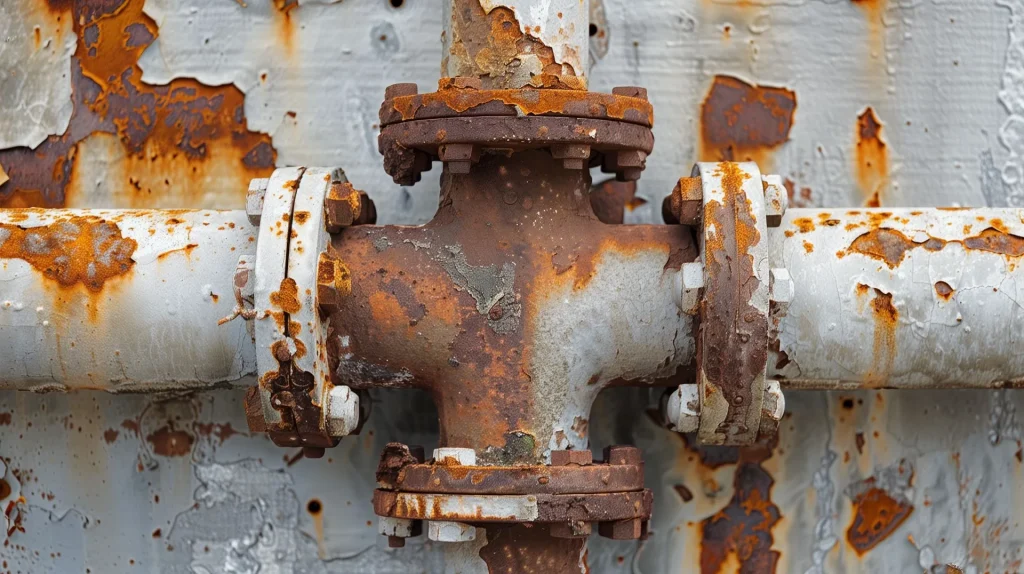
Galvanic corrosion is an electrochemical process that occurs when two different metals come into electrical contact in the presence of an electrolyte, such as water or corrosive liquids. In this setup, one metal (the anode) corrodes at an accelerated rate, while the other metal (the cathode) remains relatively unaffected. This occurs because the two metals have different electrochemical potentials, with one being more “active” than the other. The metal that is more active will lose electrons, resulting in corrosion.
In a screw conveyor system, dissimilar metals often make contact with each other, and when these metals are exposed to a corrosive medium, the process of galvanic corrosion can begin. If not properly managed, it can lead to severe damage to the equipment and potential failure, requiring expensive repairs and replacements.
Common Dissimilar Metals in Screw Conveyors
Screw conveyors are made from various metals, each chosen for its specific properties like strength, wear resistance, and corrosion resistance. The most commonly used metals in screw conveyor construction include:
- Carbon Steel: Carbon steel is widely used for screw conveyors due to its strength and durability. However, it is susceptible to corrosion when exposed to moisture, salts, or harsh chemicals. When in contact with more corrosion-resistant metals, it can act as an anode in a galvanic couple, leading to faster deterioration.
- Stainless Steel: Stainless steel is a popular material for screw conveyors, especially in industries like food processing or pharmaceuticals, where hygiene and resistance to corrosion are critical. It is more corrosion-resistant than carbon steel due to the presence of chromium, which forms a protective oxide layer. However, when paired with less resistant metals, galvanic corrosion can still occur.
- Aluminum: Aluminum is lightweight and resistant to corrosion, making it a good choice for some screw conveyor applications. However, in the presence of a corrosive medium, aluminum can be more susceptible to galvanic corrosion when in contact with metals like steel or copper.
- Copper and Brass: Copper and brass are used in some screw conveyor parts, especially in applications where electrical conductivity is important. They are more prone to corrosion, particularly in marine or saltwater environments, and may initiate galvanic corrosion when paired with more noble metals like stainless steel.
- Nickel Alloys: Nickel alloys offer excellent corrosion resistance, especially in extreme environments like high-temperature or highly acidic conditions. However, when paired with metals of significantly lower corrosion resistance, nickel alloys can still contribute to galvanic corrosion if the conditions are right.
The Impact of Highly Corrosive Environments
The presence of a corrosive medium, such as highly acidic or basic solutions, saltwater, or chemicals used in industrial processes, can drastically affect the rate of galvanic corrosion. In screw conveyors, these corrosive environments can significantly impact the lifespan of the system and the integrity of the components.
Highly Corrosive Environments Include:
- Acidic Solutions: Acids like sulfuric, hydrochloric, or nitric acid can aggressively corrode metals, especially when in contact with less corrosion-resistant materials like carbon steel or aluminum.
- Alkaline Solutions: Alkaline substances, such as sodium hydroxide, can also damage metal surfaces, leading to a higher risk of galvanic corrosion when metals with different electrochemical potentials are paired.
- Saltwater or Seawater: Saltwater, with its high chloride content, is notorious for causing corrosion, particularly on metals like aluminum and steel. It increases the electrical conductivity of the electrolyte, promoting faster galvanic reactions.
- Chemical Exposures: Industrial chemicals used in various processes can create highly corrosive conditions. For instance, solvents, chlorine compounds, and other reactive chemicals can cause materials like steel or brass to corrode more quickly.
How Galvanic Corrosion Affects Screw Conveyors
In the presence of a corrosive medium, the effects of galvanic corrosion on screw conveyors can be severe:
- Accelerated Wear and Tear: Galvanic corrosion can cause rapid pitting and degradation of metal surfaces, leading to the thinning of key components like screw shafts, flights, and housings.
- Loss of Structural Integrity: As corrosion progresses, the structural strength of the screw conveyor may diminish, increasing the risk of failure, bending, or breaking under load.
- Increased Maintenance and Repair Costs: Galvanic corrosion often leads to frequent repairs or the replacement of components, raising operational costs and extending downtime. This can significantly affect production schedules and bottom-line profitability.
- Reduced Efficiency: As components corrode, their performance diminishes. The efficiency of the conveyor system may decrease due to friction, wear, or misalignment caused by corroded parts, affecting the smooth movement of materials.
Preventing Galvanic Corrosion in Screw Conveyors
To mitigate the risks of galvanic corrosion in screw conveyors, several strategies can be implemented:
- Material Selection: Use of similar metals that have close electrochemical potentials can reduce the risk of galvanic corrosion. For example, pairing stainless steel with other stainless steel components minimizes this risk. Additionally, choosing materials that are highly resistant to corrosion, like titanium or corrosion-resistant alloys, can prolong the life of the system.
- Corrosion-Resistant Coatings: Applying protective coatings such as epoxy or zinc galvanizing on steel components can act as a barrier to the corrosive environment, reducing the rate of galvanic corrosion.
- Isolation of Dissimilar Metals: Insulating dissimilar metals from each other using non-conductive materials, such as rubber gaskets or coatings, can prevent electrical contact between metals, thereby reducing the risk of galvanic corrosion.
- Regular Maintenance and Inspection: Regularly inspecting and maintaining the screw conveyor system helps identify early signs of corrosion, allowing for timely repairs and replacements of affected components.
- Cathodic Protection: In highly corrosive environments, using cathodic protection techniques, such as sacrificial anodes, can help reduce the effects of galvanic corrosion by shifting the corrosion process away from critical parts.
Conclusion
Galvanic corrosion is a serious concern for screw conveyors, especially when dissimilar metals are used in highly corrosive environments. However, with “CorroSafe’s” innovative corrosion protection solutions, you can effectively combat the detrimental effects of galvanic corrosion. From advanced coatings and material selection to cathodic protection and customized services, “CorroSafe” provides the tools and expertise you need to ensure your screw conveyors perform reliably and last longer, even in the harshest conditions. Protect your equipment, reduce maintenance costs, and keep your operations running smoothly with “CorroSafe’s” comprehensive corrosion control solutions.