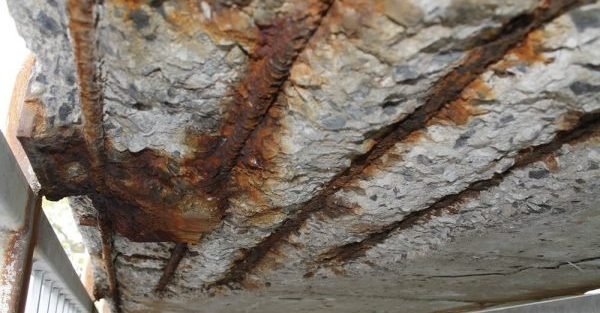
Corrosion is an inevitable concern in construction, especially in environments where metal structures are exposed to moisture, chemicals, or extreme weather conditions. While corrosion is often associated with pipes, rebar, and other internal reinforcements, main beam edges and platform joints are often overlooked until the damage becomes critical. When these critical components of a building or infrastructure begin to corrode, it can lead to a host of serious structural issues that compromise safety and require costly repairs.
In this blog, we’ll discuss why corrosion on main beam edges and platform joints can be so detrimental, what causes it, and the solutions available to prevent or mitigate the damage.
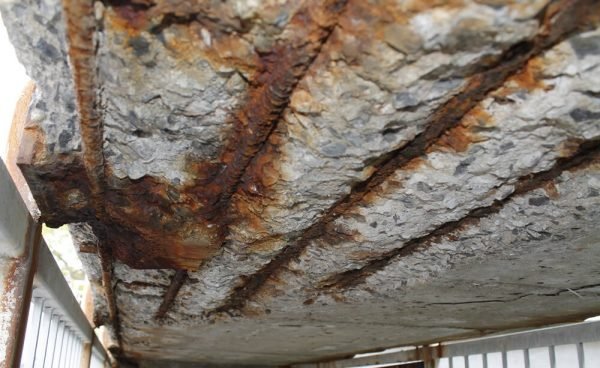
What Are Main Beam Edges and Platform Joints?
Before diving into the issue of corrosion, it’s important to understand the significance of main beam edges and platform joints in construction:
- Main Beam Edges: The main beams of a building or structure are integral to distributing the load across the entire structure. These beams usually form part of the framework and support the floors, roofs, or platforms. The edges of these beams, where the steel or reinforcement meets the concrete or other materials, are crucial in providing overall strength to the structure. If the edges of the beams suffer from corrosion, the integrity of the entire beam can be compromised.
- Platform Joints: Platform joints are connections between different structural components, such as beams, slabs, and columns. These joints are designed to allow for movement (like expansion or contraction) and to distribute loads effectively. However, the constant movement and environmental exposure can lead to corrosion of the materials that hold the joints together, causing them to weaken and eventually fail.
Why Corrosion on Main Beam Edges & Platform Joints is So Dangerous
Corrosion on main beam edges and platform joints is particularly concerning for the following reasons:
- Compromised Structural Integrity: Main beams and platform joints are critical components for distributing weight and maintaining the overall stability of a structure. When corrosion weakens these components, their ability to carry load is reduced. This can lead to sagging beams, misaligned joints, and in severe cases, structural failure.
- Corrosion Propagation: Corrosion is not a localised problem. Once the corrosion process begins on the edges of beams or platform joints, it tends to spread rapidly, affecting neighbouring areas. This is particularly true when water, salt, or moisture is present, leading to widespread degradation of materials. Over time, the corrosion can significantly weaken the entire structural system.
- Increased Risk of Failure: In buildings or structures with significant corrosion in the main beam edges and platform joints, the risk of failure increases. As the structural integrity of these joints and beams weakens, they may no longer be able to support the intended loads. In some cases, failure may not be immediately noticeable but can lead to catastrophic results if not addressed in time.
- Safety Hazards: Corrosion on main beam edges and platform joints can cause dangerous safety issues, particularly in industrial facilities, bridges, or high-rise buildings. If corrosion causes a beam or joint to fail, it may trigger further damage, endangering not only the structure itself but also the people occupying or working within it.
- Costly Repairs: Corrosion damage to main beams and platform joints is often costly to repair. Depending on the severity of the damage, repairs may involve the removal and replacement of affected sections of the beam, reinforcing the platform joints, or even completely rebuilding parts of the structure. These repairs can require extensive downtime and considerable financial investment.
Causes of Severe Corrosion in Main Beam Edges and Platform Joints
Corrosion in these critical areas can be caused by a variety of factors, including:
- Water and Moisture Infiltration: One of the leading causes of corrosion is water penetration. Main beam edges and platform joints are often exposed to moisture, whether from rain, humidity, or standing water. Over time, the moisture can infiltrate the steel or reinforcement materials and cause rusting. This is particularly common in bridges, coastal areas, or buildings with poor drainage.
- Salt Exposure: In coastal regions or areas that use road salts in the winter, the chloride ions from saltwater or deicing agents can accelerate corrosion. These ions penetrate concrete or steel and break down the protective oxide layer around metal, making it more susceptible to further damage.
- Poor Construction Practices: Inadequate sealing of joints, improper application of coatings, or low-quality materials can all lead to accelerated corrosion. If platform joints are not properly designed or waterproofed, they can become vulnerable to moisture and contaminants. Similarly, poorly constructed beam edges can leave gaps that allow water to penetrate and rust the reinforcement inside.
- Environmental Factors: Extreme environmental conditions-such as high humidity, exposure to industrial chemicals, or frequent freeze-thaw cycles-can also contribute to corrosion. When these conditions combine with factors like poor drainage or lack of maintenance, they increase the rate at which corrosion occurs on main beam edges and platform joints.
- Lack of Maintenance: Regular inspections and maintenance are essential for identifying early signs of corrosion. However, many building owners fail to routinely check these areas, allowing small issues to grow into larger, more costly problems. If left unchecked, corrosion can quickly escalate in these vulnerable areas.
Solutions for Preventing and Addressing Corrosion on Main Beam Edges & Platform Joints
Addressing corrosion on main beam edges and platform joints requires a combination of preventive measures and effective repairs. Here’s how to mitigate this issue:
- Regular Inspections: Routine inspections are critical for identifying early signs of corrosion. By catching problems early, engineers can apply temporary fixes before more severe damage occurs. Inspections should include checking for cracks, rust stains, or any signs of moisture infiltration around main beam edges and platform joints.
- Waterproofing and Sealing: One of the most effective ways to prevent corrosion in these areas is to waterproof the concrete and seal the joints. High-quality sealants and coatings can prevent moisture from penetrating and reaching the steel reinforcement. This can be done during the construction phase or as a maintenance procedure for older structures.
- Use of Corrosion Inhibitors: Corrosion inhibitors can be applied to the concrete mix or directly to the affected areas. These chemicals work by slowing down or halting the corrosion process. In areas prone to aggressive corrosion, such as coastal or industrial environments, corrosion inhibitors should be considered as part of the ongoing maintenance strategy.
- Protective Coatings for Steel Reinforcement: Applying epoxy coatings to the steel reinforcement in main beams and platform joints can help protect the metal from moisture and corrosive elements. These coatings act as a barrier, preventing the steel from coming into direct contact with water, salt, and other harmful substances.
- Structural Repairs and Reinforcement: If corrosion has already caused significant damage to the main beam edges or platform joints, repairs may be necessary. This could involve replacing corroded steel reinforcement, applying concrete patches, or reinforcing weakened areas with advanced materials such as carbon fiber wraps. Structural strengthening solutions should be tailored to the extent of the damage.
- Improve Drainage: Proper drainage around the foundation and beams is essential for preventing water accumulation. Installing or improving drainage systems can help divert water away from critical areas, reducing the chances of corrosion caused by moisture build-up.
- Corrosion Monitoring Systems: Installing corrosion monitoring systems can provide real-time data on the condition of the structure. These systems can detect early signs of corrosion and help prioritise repairs or maintenance efforts, preventing further damage.
Conclusion
Corrosion on main beam edges and platform joints is a serious issue that can compromise the safety, functionality, and longevity of a structure. If left unaddressed, it can lead to expensive repairs, weakened structural integrity, and even catastrophic failures. However, with proactive measures like regular inspections, waterproofing, corrosion inhibitors, and timely repairs, building owners and engineers can protect these critical components from corrosion and ensure the long-term stability of the structure.
By being vigilant and applying the right preventive measures, we can avoid the dangers of severe corrosion on main beam edges and platform joints, preserving the integrity of our buildings and infrastructure for years to come.
“CorroSafe”, a corrosion protection solution, offers advanced methods to prevent, manage, and repair corrosion in these high-risk areas, ensuring the longevity and safety of the structure.