Inefficient dosing and water treatment can have severe consequences on industrial processes, equipment, and the environment.
In this blog, we’ll explore the risks, costs, and solutions associated with inadequate dosing and water treatment.
Risks of Inefficient Dosing and Water Treatment
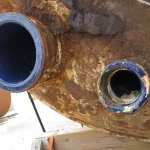
- Corrosion and Scaling: Inadequate water treatment can lead to corrosion, scaling, and fouling, compromising equipment integrity.
- Microbial Growth: Insufficient dosing can facilitate microbial growth, causing biofouling, contamination, and health risks.
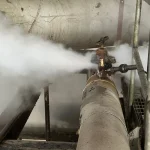
- Equipment Failure: Poor water treatment can result in equipment failure, downtime, and costly repairs.
- Environmental Impact: Inefficient water treatment can harm aquatic life, contaminate water sources, and lead to regulatory non-compliance.
- Health Risks: Inadequate water treatment can pose health risks to personnel and consumers.
Costs of Inefficient Dosing and Water Treatment
- Energy Consumption: Inefficient water treatment can increase energy consumption, leading to higher operational costs.
- Equipment Replacement: Frequent equipment replacement due to corrosion or scaling can be costly.
- Downtime and Maintenance: Equipment failure and maintenance can result in significant downtime and labour costs.
- Regulatory Fines: Non-compliance with environmental regulations can lead to substantial fines.
- Reputation Damage: Inefficient water treatment can harm a company’s reputation and brand value.
Solutions for Efficient Dosing and Water Treatment
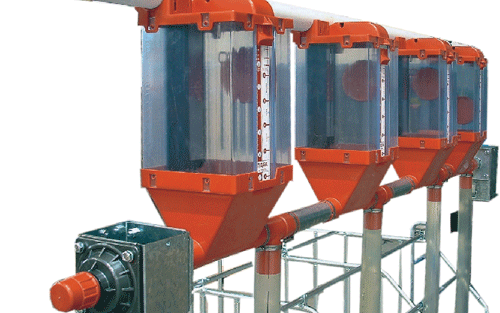
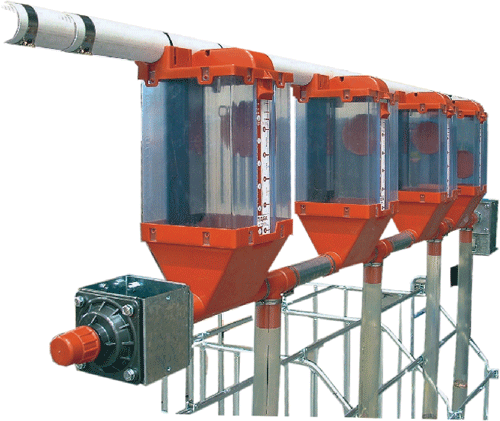
- Automated Dosing Systems: Implement automated dosing systems to ensure accurate chemical dosing.
- Water Treatment Chemicals: Select effective water treatment chemicals tailored to specific process requirements.
- Regular Water Analysis: Conduct regular water analysis to monitor water quality and adjust treatment parameters.
- Corrosion Monitoring: Implement corrosion monitoring systems to detect potential issues.
- Operator Training: Provide training on water treatment best practices, dosing procedures, and equipment maintenance.
Best Practices for Efficient Dosing and Water Treatment
- Conduct Regular Water Audits: Identify areas for improvement in water treatment processes.
- Optimise Dosing Parameters: Adjust dosing parameters based on water analysis results.
- Implement Preventative Maintenance: Schedule regular maintenance to prevent equipment failure.
- Monitor Water Quality: Continuously monitor water quality to ensure treatment effectiveness.
- Collaborate with Water Treatment Experts: Consult with experts to optimise water treatment processes.
Conclusion
Inefficient dosing and water treatment can have severe consequences on industrial processes, equipment, and the environment. By implementing efficient dosing systems, selecting effective water treatment chemicals, and conducting regular water analysis, manufacturers can minimise risks, reduce costs, and ensure regulatory compliance.
“CorroSafe”: Your trusted source for expert advice and tailored corrosion solutions.