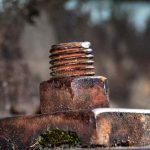
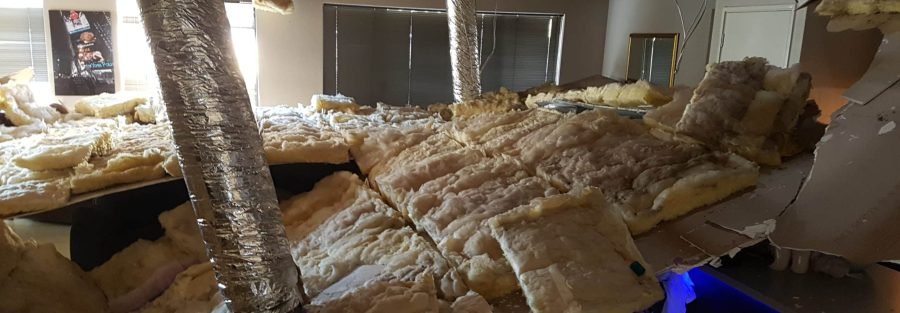
In industrial settings, insulation plays a crucial role in maintaining the temperature of pipes, vessels, and other equipment. It ensures efficient thermal regulation, reduces energy loss, and protects workers from hot surfaces. However, when insulation fails or collapses, it can create thermally sensitive areas that are not only prone to temperature fluctuations but also susceptible to accelerated corrosion. This issue can lead to premature equipment failure, increased maintenance costs, and safety risks.
In this blog, we’ll dive into the causes of insulation collapse, the impact it has on corrosion, and the best practices for preventing and addressing this issue in industrial systems.
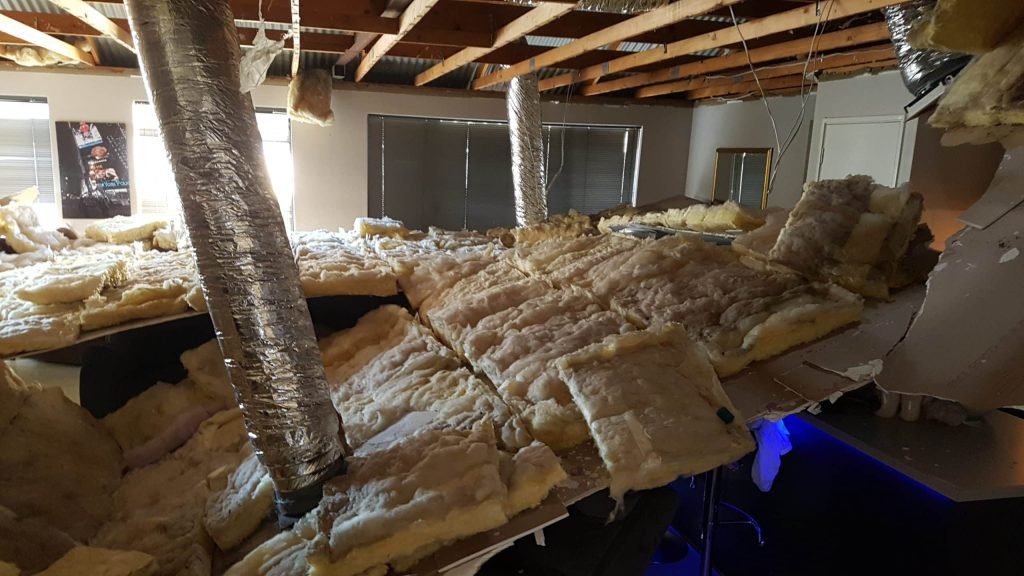
Why Insulation Collapse Matters
Insulation collapse can occur for various reasons, such as poor installation, physical damage, or the deterioration of the insulation material over time. Once the insulation collapses or becomes damaged, the underlying equipment is exposed to fluctuating temperatures, moisture, and air. This creates a perfect environment for corrosion to develop and accelerate, especially in critical areas that were previously protected.
Key Factors Contributing to Insulation Collapse:
- Age and Deterioration: Over time, insulation materials can degrade, particularly when exposed to extreme heat, moisture, or chemicals. This degradation can lead to cracking, crumbling, or complete collapse of the insulation.
- Improper Installation: If insulation is not properly installed, it can shift, compress, or detach from the equipment, leaving parts exposed to harsh conditions.
- Physical Damage: Vibration, impact, or pressure from external sources can damage the insulation, compromising its protective function.
- Moisture Infiltration: If the insulation absorbs water or becomes saturated, it loses its thermal efficiency and can contribute to the development of corrosion under the insulation layer.
The Link Between Insulation Collapse and Accelerated Corrosion
The collapse of insulation can lead to several thermal and environmental challenges that encourage corrosion:
- Temperature Fluctuations
One of the primary functions of insulation is to maintain a stable temperature within pipes, tanks, or vessels. When insulation collapses, the affected equipment is exposed to fluctuating temperatures. For instance, rapid heating and cooling cycles can cause expansion and contraction of materials, leading to stress fractures, weakened surfaces, and an increased rate of corrosion. These fluctuations can lead to the formation of cracks or pits on metal surfaces, which act as initiation sites for corrosion.
- Moisture Exposure
Without proper insulation, moisture can accumulate on the surface of pipes and other equipment. Condensation, rain, or water vapor can easily come into contact with the metal, creating a corrosive environment. When insulation fails, the moisture is trapped between the insulation material and the metal surface, leading to the formation of corrosion cells. This creates a significant risk of corrosion, particularly in areas where water or chemicals may pool, exacerbating the issue.
- Increased Oxidation and Corrosion Under Insulation
A key phenomenon that occurs when insulation fails is corrosion under insulation (CUI). CUI happens when moisture or water seeps between the insulation and the metal surface, creating a condition where corrosion can occur without being visible. This type of corrosion can be particularly insidious because it often goes unnoticed until significant damage has already been done.
- Exposure to Aggressive Chemicals
In many industrial applications, equipment is exposed to harsh chemicals or gases. When insulation collapses, these materials can come into direct contact with the metal, leading to chemical corrosion. In areas where the equipment is already thermally sensitive, the added exposure to corrosive agents speeds up the degradation process, further compromising the integrity of the system.
Consequences of Accelerated Corrosion Due to Insulation Collapse
When insulation collapses and leads to accelerated corrosion, the consequences can be severe:
- Structural Damage and Equipment Failure
Corrosion can weaken metal components, leading to structural damage or complete failure. In critical infrastructure like piping, pressure vessels, or boilers, this can result in leaks, ruptures, or even catastrophic explosions. This poses significant risks to safety, production, and the environment.
- Increased Maintenance and Replacement Costs
Corrosion can dramatically shorten the lifespan of equipment, leading to more frequent repairs, replacements, and inspections. Additionally, the damage caused by accelerated corrosion is often more extensive, leading to higher costs for parts, labor, and downtime.
- Safety Hazards
Corrosion in thermally sensitive areas can create hazardous conditions for workers. Leaks, spills, or exposure to dangerous chemicals can lead to accidents or health risks. In some cases, the failure of equipment due to corrosion can even pose fire or explosion risks, especially in high-temperature environments.
- Environmental Damage
Leaking pipes or vessels due to corrosion can release hazardous materials into the environment, contributing to pollution and contamination. The environmental impact can be devastating, leading to costly cleanups, legal issues, and reputational damage.
Preventing and Addressing Insulation Collapse and Corrosion
The best way to avoid the damaging effects of insulation collapse and the resulting accelerated corrosion is through proactive measures. Here are some key steps to take:
- Regular Insulation Inspections
Conduct regular inspections of insulation systems to identify signs of damage, wear, or degradation. Inspections should check for physical damage, moisture infiltration, and areas where the insulation has shifted or collapsed. Early detection can help prevent further damage and reduce the risk of corrosion.
- Use of High-Quality Insulation Materials
Select insulation materials that are durable, resistant to moisture, and capable of withstanding temperature fluctuations. Materials like fiberglass, calcium silicate, and mineral wool offer superior thermal stability and moisture resistance, helping to maintain effective insulation even in challenging conditions.
- Proper Installation
Ensure that insulation is properly installed to avoid shifting, compression, or detachment. It should fit snugly around equipment and be secured to prevent any gaps or weak spots where moisture could infiltrate. Proper installation also includes sealing joints and edges to prevent water ingress.
- Apply Anti-Corrosion Coatings
In areas prone to corrosion, applying anti-corrosion coatings to equipment can offer additional protection. Coatings can prevent direct exposure to moisture and chemicals, minimizing the risk of corrosion. This is particularly important in high-risk zones where insulation collapse is more likely to occur.
- Prompt Repair or Replacement of Damaged Insulation
When insulation does fail or collapse, prompt repair or replacement is essential. Continuing to operate with inadequate insulation can cause further thermal cycling and exacerbate corrosion. Repair damaged sections quickly, or replace insulation entirely if it has reached the end of its useful life.
- Implement Corrosion Monitoring Systems
Install corrosion monitoring systems to detect early signs of corrosion under insulation. These systems can alert maintenance teams to potential issues before they escalate, allowing for timely repairs and preventing more significant damage.
Conclusion
The collapse of insulation and the resulting thermally sensitive areas can create an ideal environment for accelerated corrosion, leading to significant operational, safety, and financial risks. Fortunately, “CorroSafe” offers comprehensive solutions to help prevent and address these issues. From inspection and material selection to corrosion prevention and emergency repairs, “CorroSafe” is your trusted partner in managing the risks of insulation collapse and ensuring the long-term integrity of your equipment.
Contact “CorroSafe” today to learn how we can help you prevent accelerated corrosion and extend the life of your industrial assets.