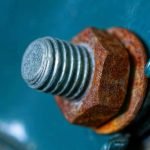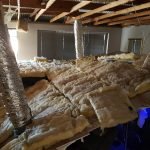
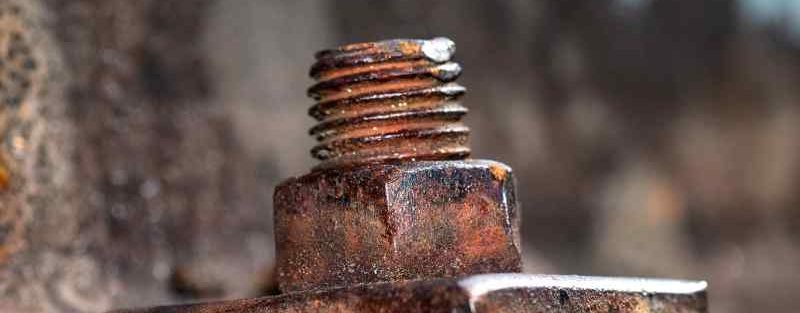
Flanges and fasteners are essential components in a wide range of industrial systems. From pipelines to pressure vessels, they play a critical role in maintaining the integrity and functionality of equipment. However, one of the most common and costly issues faced by industries is the corrosion of these components, often due to inappropriate material selection.
In this blog, we’ll explore why corrosion happens, the consequences of using the wrong materials, and how industries can prevent these costly failures through proper material selection and maintenance practices.
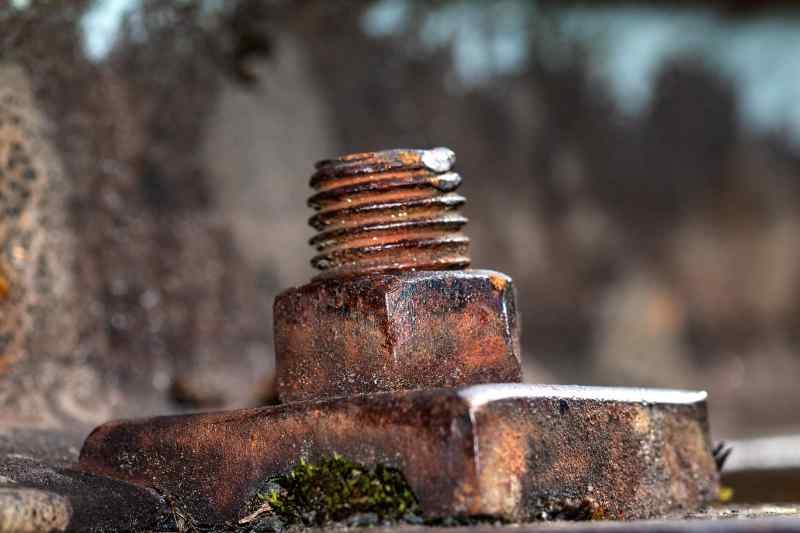
Understanding Corrosion in Flanges and Fasteners
Corrosion is a natural process that occurs when metals react with their environment, leading to degradation over time. Flanges and fasteners, which are typically made from metals like carbon steel, stainless steel, or alloys, are particularly vulnerable to corrosion when exposed to harsh conditions such as high humidity, chemicals, or extreme temperatures.
The key factor in preventing corrosion is selecting the right material for the job. If a flange or fastener is made from a material that is not compatible with the environmental conditions it will be exposed to, corrosion can set in much faster. This is especially problematic in industries such as chemical processing, oil and gas, and power generation, where these components are subjected to corrosive gases, liquids, and extreme pressure.
The Impact of Inappropriate Material Selection
When flanges and fasteners corrode prematurely, the consequences can be significant. Let’s explore some of the key impacts of corrosion caused by inappropriate material selection:
- Reduced Structural Integrity
Corrosion weakens flanges and fasteners, leading to reduced structural integrity. This can result in leaks, equipment malfunctions, and even catastrophic failures in extreme cases. A weakened flange or fastener may no longer be able to maintain the pressure or hold the system together as required, putting both personnel and equipment at risk.
- Increased Maintenance Costs
Corroded components require frequent inspection, maintenance, and eventually replacement. This not only adds significant cost to operations but also causes downtime, affecting production schedules. In industries where uptime is critical, these unexpected costs and delays can have a severe financial impact.
- Safety Hazards
Corrosion-related failures in flanges and fasteners can lead to dangerous situations, such as hazardous gas leaks, fires, or explosions, especially in industries handling volatile substances. The structural collapse of equipment due to corroded components can also lead to safety risks for workers.
- Environmental Damage
Leaking pipes or vessels can result in hazardous chemicals or gases escaping into the environment, leading to contamination. This can have serious environmental implications, from water pollution to air quality issues. Additionally, industries may face legal penalties and fines for environmental violations.
The Role of Material Selection in Preventing Corrosion
The best way to combat corrosion in flanges and fasteners is through appropriate material selection. Here are some key considerations when choosing materials:
- Environmental Compatibility
The material selected must be able to withstand the conditions it will face during operation. For example, if the system operates in a high-temperature, corrosive environment, materials such as stainless steel, Inconel, or titanium alloys may be more suitable than standard carbon steel, which is highly susceptible to corrosion.
Materials like stainless steel are often chosen for their excellent resistance to corrosion, especially in wet or chemically aggressive environments. Stainless steel contains chromium, which forms a passive layer that protects the surface from corrosion. For highly corrosive applications, special alloys designed to resist pitting, crevice corrosion, and stress corrosion cracking should be considered.
- Durability and Strength
Flanges and fasteners must be strong enough to withstand mechanical stresses and high pressures without compromising safety. High-strength alloys and corrosion-resistant materials can provide the required mechanical properties while also preventing degradation.
- Cost-Effectiveness
While high-quality, corrosion-resistant materials may be more expensive upfront, they offer long-term savings by reducing maintenance and replacement costs. Additionally, these materials can help avoid downtime and improve overall system efficiency, ultimately resulting in a more cost-effective solution.
How to Prevent Corrosion in Flanges and Fasteners
To ensure the longevity of flanges and fasteners and prevent corrosion-related issues, consider the following strategies:
- Proper Material Selection
As discussed, selecting the appropriate material is crucial. Work with materials engineers to determine the best options based on the environmental conditions and requirements of the system.
- Coatings and Protective Layers
In some cases, applying a protective coating to flanges and fasteners can enhance corrosion resistance. Options include epoxy coatings, galvanization, or thermal sprayed coatings, which create a barrier between the metal surface and the environment.
- Regular Inspections and Maintenance
Establish a routine inspection and maintenance schedule to check for early signs of corrosion. Regular cleaning, coating touch-ups, and tightening of fasteners can prevent minor issues from escalating into major failures.
In corrosive environments, adding corrosion inhibitors to the system can reduce the rate of corrosion. These chemicals work by forming a protective layer on metal surfaces, reducing the likelihood of corrosion.
- Proper Installation
Ensure that flanges and fasteners are installed correctly to prevent stress concentrations or poor alignment, which can lead to premature wear and corrosion. Proper installation also involves ensuring that the materials are compatible with the gasket or sealants used in the assembly.
Conclusion
Corrosion in flanges and fasteners due to inappropriate material selection can lead to significant operational issues, including equipment failure, safety risks, and increased costs. “CorroSafe” offers a range of services to address and prevent corrosion, from material selection and coating applications to ongoing monitoring and maintenance. By partnering with CorroSafe, you can ensure the reliability and longevity of your equipment, reduce downtime, and enhance overall operational efficiency.
Contact “CorroSafe” today to learn more about how we can help you prevent and address corrosion in your industrial systems.