In any manufacturing or production process, the efficient use of raw materials is critical to both operational success and sustainability. However, many organizations overlook one of the most significant areas that directly impact material waste: scrap segregation and management. Inefficient practices in these areas lead to substantial material loss, reduced profitability, and environmental harm. Understanding and addressing these operational gaps can help companies optimize resource utilization, reduce waste, and enhance their bottom line.
The Importance of Scrap Segregation
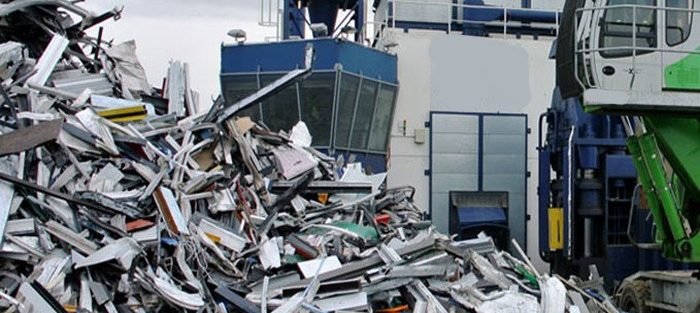
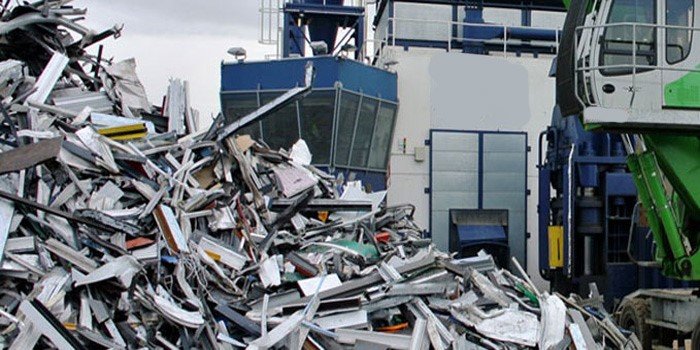
Scrap is an inevitable byproduct of most manufacturing operations. Whether it’s from production overruns, defects, or remnants of raw materials, scrap can vary in quality and composition. To manage it effectively, scrap needs to be properly segregated based on its type and potential for reuse or recycling.
Scrap segregation is crucial for several reasons:
- Resource Recovery: Not all scrap is waste. Many materials, like metal, plastic, and paper, can be recycled or reused. If scrap is mixed or improperly handled, valuable materials may end up in landfills instead of being recovered for future use.
- Recycling Efficiency: Different materials often require specific recycling processes. By segregating scrap into categories such as metals, plastics, and non-recyclables, companies can streamline the recycling process and ensure that materials are directed to the right facilities.
- Minimizing Contamination: If different types of scrap are mixed, it can reduce the overall quality and value of recyclable materials. For example, if metal scrap is mixed with plastic or other materials, it becomes more difficult and expensive to recycle. Proper segregation avoids contamination and ensures higher-quality recycling streams.
The Challenges of Inefficient Scrap Management
Inefficient scrap management can arise from various factors, leading to material loss and unnecessary costs. These challenges include:
- Lack of Training and Awareness: Employees may not be fully trained on the importance of scrap segregation, leading to careless handling and improper disposal of valuable materials. Without clear guidelines and proper training, even small inefficiencies can accumulate over time.
- Inadequate Infrastructure: Many manufacturing facilities lack the necessary infrastructure to support effective scrap segregation. Without clearly marked bins, sorting stations, or designated areas, employees may be unsure where to place specific types of scrap. This confusion can result in mixed material streams that are difficult to manage or recycle.
- Poor Monitoring and Tracking: Without a system in place to track the amount and type of scrap being generated, it’s impossible to measure the extent of material loss. The absence of data on scrap volumes can make it difficult for companies to identify areas for improvement and track the effectiveness of their scrap management strategies.
- Lack of Coordination Between Departments: Scrap management often involves multiple departments, including production, maintenance, and waste management. If these departments are not coordinated or do not have a clear plan for handling scrap, it can result in a fragmented approach that exacerbates the problem.
- Failure to Leverage Technology: In today’s digital age, companies have access to technology solutions that can help manage scrap more efficiently. However, many still rely on outdated systems or manual processes, which can lead to errors, inconsistencies, and missed opportunities for material recovery.
The Consequences of Material Loss
When scrap segregation and management practices are inefficient, the consequences extend beyond immediate material waste. The ripple effects include:
- Financial Losses: Scrap management inefficiencies directly translate into financial losses. Valuable materials that could be recycled or reused are often wasted, and companies may need to purchase additional raw materials to make up for these losses. In the long term, the cumulative cost of material waste can be significant.
- Environmental Impact: Improperly managed scrap leads to an increase in waste sent to landfills. This not only contributes to environmental pollution but also undermines sustainability efforts. Companies that fail to recycle and reuse materials miss the opportunity to reduce their environmental footprint and align with global sustainability goals.
- Regulatory Non-Compliance: Many industries face stringent regulations regarding waste management and recycling. Companies that fail to segregate and manage scrap effectively may risk violating environmental regulations, leading to fines or reputational damage.
- Operational Inefficiencies: When scrap is not properly managed, the production process itself can become less efficient. Production downtime, extra handling of materials, and delays in waste disposal all contribute to inefficiencies that impact overall productivity.
Addressing the Operational Gaps
To close the operational gaps related to scrap segregation and management, companies should consider implementing the following strategies:
- Implement Clear Policies and Procedures: Establish detailed guidelines for scrap segregation and disposal. Ensure all employees are trained on these procedures and understand their role in minimizing material loss. Regular audits and reviews should be conducted to ensure compliance and identify areas for improvement.
- Invest in Infrastructure: Invest in clearly labeled scrap bins, dedicated sorting areas, and segregation stations. This will make it easier for employees to separate materials and reduce the likelihood of contamination. Additionally, consider the use of automated sorting systems that can help improve the accuracy and efficiency of scrap management.
- Use Technology for Tracking and Monitoring: Implement a scrap tracking system to monitor material flows and detect inefficiencies. Real-time data on scrap volumes and types can help companies make informed decisions about how to manage their materials more effectively and identify opportunities for recycling or reuse.
- Foster Cross-Department Collaboration: Encourage communication between departments to ensure that scrap management is a coordinated effort. Production, maintenance, and waste management teams should work together to streamline processes and avoid mismanagement.
- Leverage Recycling Partnerships: Partner with recycling companies that specialize in the materials you handle. They can provide guidance on the best practices for scrap segregation and recycling, and they may offer incentives for companies that actively reduce waste.
- Continuous Improvement: Treat scrap management as an ongoing process, not a one-time fix. Regularly review procedures, monitor waste, and make adjustments based on data and feedback. Involve employees at all levels in identifying ways to reduce scrap generation and improve the overall efficiency of the process.
Conclusion
Inefficient scrap segregation and management result in material loss, increased costs, and missed opportunities for sustainability. However, by addressing these operational gaps and implementing strategies to streamline scrap management, organizations can reduce waste, recover valuable materials, and improve their overall efficiency. In today’s competitive market, adopting effective scrap management practices is not only an operational necessity but also a step toward long-term environmental responsibility and financial success.
Inefficient scrap segregation and management can lead to significant material loss, environmental harm, and financial inefficiencies. However, with “CorroSafe’s” advanced solutions, businesses can address these operational gaps head-on. By optimizing scrap segregation, improving recycling processes, and enhancing tracking and monitoring, “CorroSafe” not only helps prevent material loss but also boosts profitability and sustainability.
Adopting “CorroSafe’s” innovative scrap management system can transform your operations, helping you make the most of every material and contribute to a more efficient, eco-friendly, and cost-effective future.