Engineers design industrial systems that can withstand extreme environmental conditions, including high pressure, temperature fluctuations, and chemical exposure. The most underestimated danger, causing extensive damage across industries, is the unrecognised threat of gas leaks. Even tiny leaks, which appear harmless, can trigger hidden corrosion processes that destroy equipment from within, leaving visible damage only when it becomes apparent.
Plant managers, maintenance engineers, and reliability professionals need to understand how leaks contribute to hidden corrosion, as this knowledge is key to extending asset life, maintaining safety, and reducing costly downtime.
What Is Hidden Corrosion?
Hidden corrosion refers to the slow deterioration of metal surfaces hidden beneath insulation materials or protective coatings, or in spaces that prevent proper visual examination. The type of corrosion that develops below the surface remains undetected until it reaches a point of severe destruction.
It typically occurs in:
- Corrosion Under Insulation (CUI)
- Internal pipeline and tank corrosion
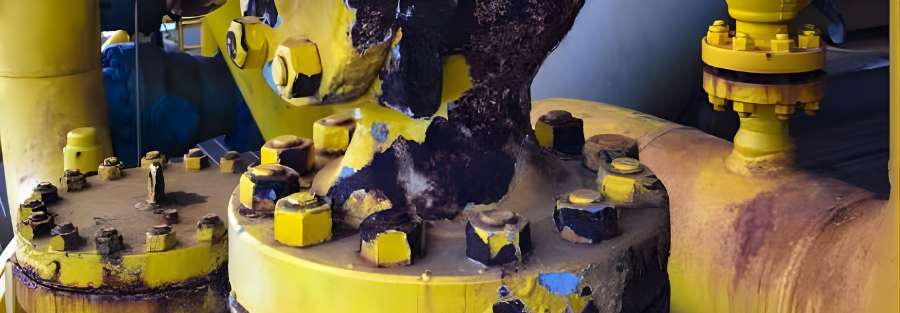
- Crevice corrosion in flanges and joints
- Under-deposit corrosion in heat exchangers
The industries that are most affected by this situation include oil and gas operations, petrochemical production, power generation facilities, pharmaceutical manufacturing, and water treatment facilities. The study results indicate that hidden corrosion is responsible for more than 60% of unexpected equipment failures in process plants, resulting in millions of dollars in annual downtime and repair costs.
How Leakages Trigger and Accelerate Corrosion
Leakages introduce 5 critical corrosion accelerators simultaneously:
1. Moisture Exposure
Even small leaks allow water or steam to seep into insulation layers, raising humidity and creating ideal conditions for oxidation. Moisture trapped under insulation is particularly dangerous because it remains undetected until severe damage occurs.
2. Chemical Contamination
Industrial fluids often contain chlorides, sulfates, or other aggressive compounds. When leaks occur, these chemicals penetrate protective coatings, triggering localized corrosion. For instance, chloride-induced corrosion is a common issue in desalination plants and offshore facilities.
3. Thermal Stress
Hot leaks, such as steam or condensate, cause repeated heating and cooling cycles. This thermal cycling weakens coatings, causes metal expansion and contraction, and exposes bare surfaces to corrosive environments.
4. Microbial Activity
Persistent leaks create damp environments where bacteria thrive. Certain microbes accelerate corrosion through microbiologically influenced corrosion (MIC). In water treatment plants, MIC is a major contributor to hidden corrosion in pipelines and storage tanks.
5. Leakages & Spillages as Corrosion Catalysts
In industrial environments, operators face ongoing risks from leakages and spillages. These two incidents can occur simultaneously, significantly increasing overall danger. Chemical or fluid spillages combined with moisture or steam leakages may form hazardous, corrosive substances. Such aggressive combinations can penetrate joints, flanges, and insulation materials, creating localized microenvironments that accelerate corrosion and progressively destroy metal surfaces.
Early Warning Signs of Leakage-Accelerated Corrosion
Watch for these indicators during routine rounds:
- Discoloration or wet spots on insulation
- White or green deposits (chloride or copper corrosion products)
- Unexpected pressure drops or flow irregularities
- Unusual odors near flanges or valves
- Increased maintenance on nearby equipment
- Elevated iron or metal content in process fluids
Modern non-destructive testing (NDT) methods such as pulsed eddy current, guided-wave ultrasonics, and infrared thermography can detect these issues early—before visible damage appears —helping plant managers feel confident they can prevent costly failures.
Strategies to Prevent Corrosion from Leakages
- Routine Inspections
Employ ultrasonic testing, infrared thermography, and leak detection sensors to identify problems early. Inspections should focus on high-risk areas such as joints, valves, and insulated pipelines.
- Immediate Repairs
Address even minor leaks promptly to prevent long-term damage, reinforcing maintenance engineers’ role in safeguarding equipment and fostering a sense of control over asset integrity.
- Advanced Monitoring
Use corrosion probes and smart sensors to track hidden corrosion rates in real time, empowering reliability professionals to lead predictive maintenance efforts and stay ahead of failures.
- Material Selection
Upgrade to corrosion-resistant alloys or apply specialized coatings in high-risk areas. Stainless steel, nickel alloys, and epoxy coatings are common choices.
- Integrated Maintenance Plans
Align leak management with predictive maintenance and asset integrity programs. This ensures that leak detection and corrosion prevention are part of a unified strategy.
Why Proactive Action Matters
Leakages are not just maintenance issues. They are catalysts for hidden corrosion that silently erode industrial assets. By combining early detection, rapid response, and advanced monitoring, organizations can:
• Extend equipment life
• Reduce operational costs
• Safeguard workers and the environment
• Maintain compliance with regulatory standards
Ultimately, proactive leak management is not just about preventing corrosion. It is about protecting the long-term sustainability of industrial operations.
Conclusion
Leakages may appear minor, but their ability to accelerate hidden corrosion makes them a serious threat to industrial systems. Left unaddressed, they silently weaken critical infrastructure, compromise safety, and drive up operational costs.