
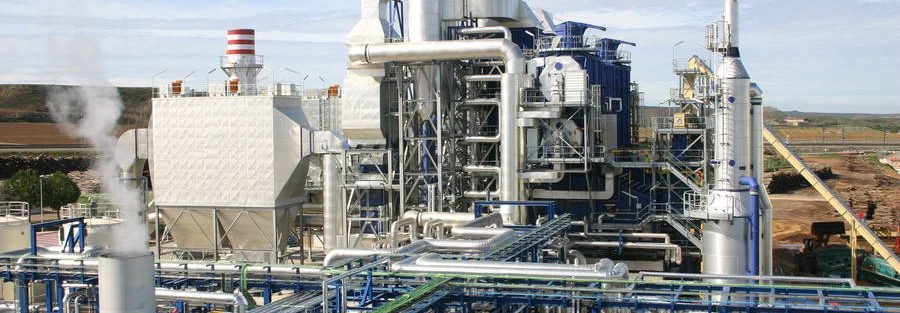
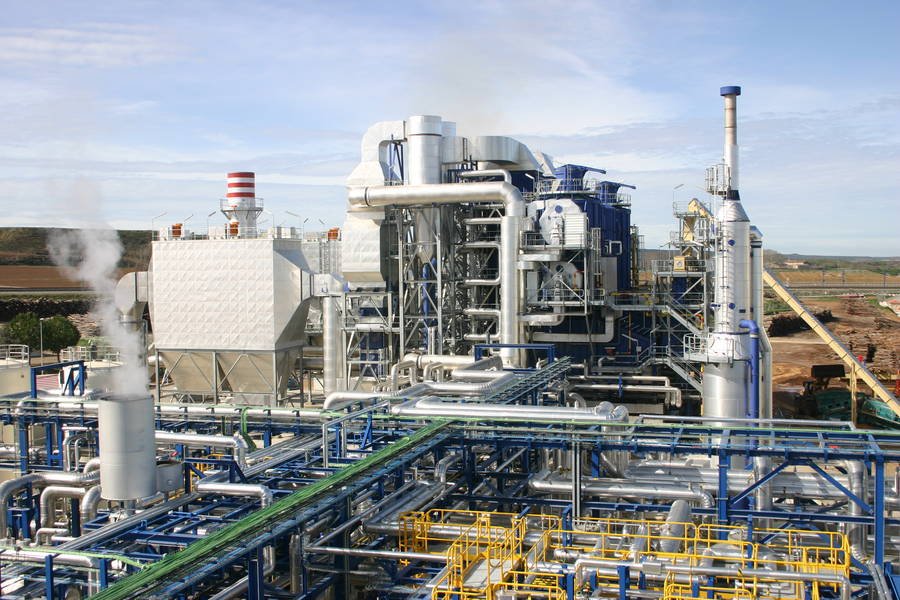
Power plants are vital to our energy systems, providing the electricity that keeps our homes, businesses, and economies running.
But what materials are needed to build and maintain these energy giants? Let’s explore the key materials used in power plants, why they are important, and the challenges in sourcing them.
Essential Materials
Steel: The Power Plant Backbone
Steel is used in construction, turbines, and generators, providing the structural integrity needed for power plants to function.
Copper: Electrical Conductor Extraordinaire
Copper is crucial for electrical conductivity in wiring, motors, and generators, ensuring efficient electricity flow.
Rare Earth Elements (REEs): The Magic Magnets
REEs are vital for making magnets used in wind turbines and generators, enhancing their performance.
Uranium: Nuclear Power Fuel
Uranium powers nuclear reactors, providing a significant energy source.
Concrete: The Solid Foundation
Concrete is used in the construction and containment structures of power plants, offering stability and safety.
Water: The Coolant
Water is essential for cooling systems in power plants, preventing overheating and ensuring smooth operations.
Advanced Ceramics: High-Tech Helpers
Used in gas turbines and fuel cells, advanced ceramics withstand high temperatures and improve efficiency.
Nickel, Chromium, and Tungsten: The High-Temp Trio
These materials are used in alloys for high-temperature applications, essential for the durability and performance of power plants.
Factors Making Materials Critical
High Demand
The push for clean energy technologies and energy storage increases the demand for these materials.
Limited Supply
Many critical materials are found in specific geographic areas and have low recycling rates, making them scarce.
Complex Extraction
Extracting and processing these materials can be challenging and costly, adding to their criticality.
Geopolitical Risks
Dependence on imports from politically unstable regions can disrupt supply chains.
Price Volatility
Global market price fluctuations can affect the economics and profitability of power plant projects.
Technological Dependence
Certain technologies require specific materials, creating a dependency on their availability.
Substitution Challenges
Finding substitutes for these materials is difficult due to their unique properties.
Supply Chain Vulnerabilities
Natural disasters or conflicts can disrupt the supply chains, affecting material availability.
Environmental Concerns
The extraction and processing of these materials can have significant environmental impacts.
Regulatory Frameworks
Lack of clear policies and regulations can hinder investment and development in sourcing these materials.
Precautions to Mitigate Material Issues
Diversify Supply Chains
Reduce reliance on single suppliers or regions to ensure a stable supply of materials.
Recycling and Waste Reduction
Implement efficient recycling programs and minimize waste to make the most of available resources.
Substitution and Alternative Materials
Research and develop alternative materials or technologies to reduce dependency on critical materials.
Stockpiling and Inventory Management
Maintain strategic stockpiles and optimize inventory management for critical materials.
Supply Chain Transparency and Visibility
Monitor and track materials from source to delivery to ensure a transparent and reliable supply chain.
Geopolitical Risk Assessment and Mitigation
Analyze and prepare for potential geopolitical disruptions to maintain a stable material supply.
Invest in Research and Development
Develop new technologies and materials to reduce reliance on critical materials.
Collaborate with Industry Peers and Stakeholders
Share best practices and coordinate efforts to address critical material issues.
Develop Robust Logistics and Transportation Plans
Ensure reliable transportation and storage of critical materials to avoid disruptions.
Regularly Update and Refine Risk Assessments
Continuously monitor and assess potential risks and vulnerabilities to stay prepared.
Invest in Employee Training and Development
Ensure workers have the skills to handle critical materials safely and efficiently.
Implement Efficient Use and Conservation Practices
Optimize material usage and reduce waste in power plant operations to maximize efficiency.
Conclusion: Powering the Future
Power plants depend on a diverse range of materials to generate electricity. Understanding the importance of these materials and the challenges in sourcing them is crucial for maintaining a reliable and sustainable energy supply.
As we move towards a low-carbon economy, the demand for these critical materials will only increase. By addressing the challenges and promoting sustainable sourcing practices, we can ensure a bright and sustainable future for energy production.
If you are experiencing problems with critical material issues, contact us for a free consultation. Our experts can inspect your system, diagnose your problems, and prescribe custom solutions.