Thermal insulation helps reduce heat transfer between different materials or environments by placing a barrier between them. This keeps the surrounding temperature stable. It protects installations from heat loss and absorption, saving energy and reducing CO2 emissions.
Understanding Industrial Thermal Insulation
Industrial thermal insulation has specific technical requirements and can handle a wide range of temperatures, from -200°C to 1,200°C. It is used in technical and mechanical installations, such as pipes, tanks, heat exchangers, distillation columns, and vessels.
Key Applications
- Petrochemical industry
- Energy production
- Offshore facilities
- Shipbuilding
- HVAC (Heating, Ventilation, and Air Conditioning) systems
Why Industrial Thermal Insulation is Important
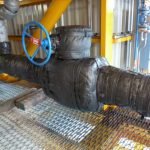
Thermal insulation prevents unnecessary energy loss. Uninsulated systems lose heat, leading to higher energy costs. Insulating fittings like valves can save energy and reduce payback time due to high gas prices.
Choosing the Right Insulation
Factors to consider when choosing insulation include reliability, safety, durability, and energy saving. Insulation materials are selected based on:
- Thermal properties (cold or hot)
- Safety (fire safety, health)
- Acoustic properties
Each material has unique properties, like thermal resistance (Lambda value) and flammability.
Benefits for Oil Refineries and Industrial Plants
- Energy conservation
- Condensation control
- Process control
- Personal protection
- Noise control
Proper Use of Insulation Materials
Every insulation material has specific processing instructions to ensure quality and longevity. For example, 2K PU foam should be processed between 23°C and 27°C. Proper personal protective equipment, like masks, is often required.
Consequences of Improper Insulation
- Energy loss
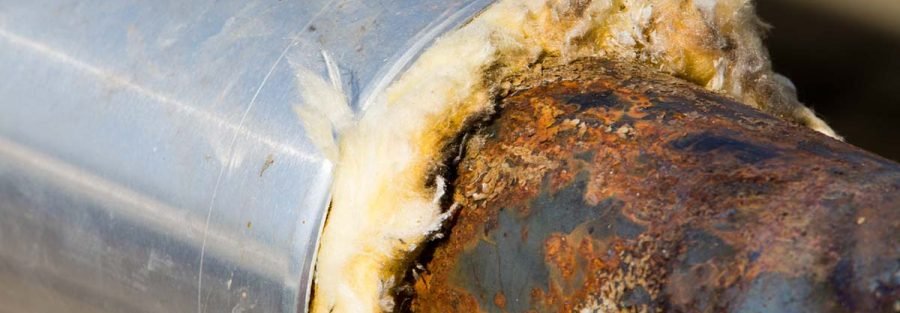
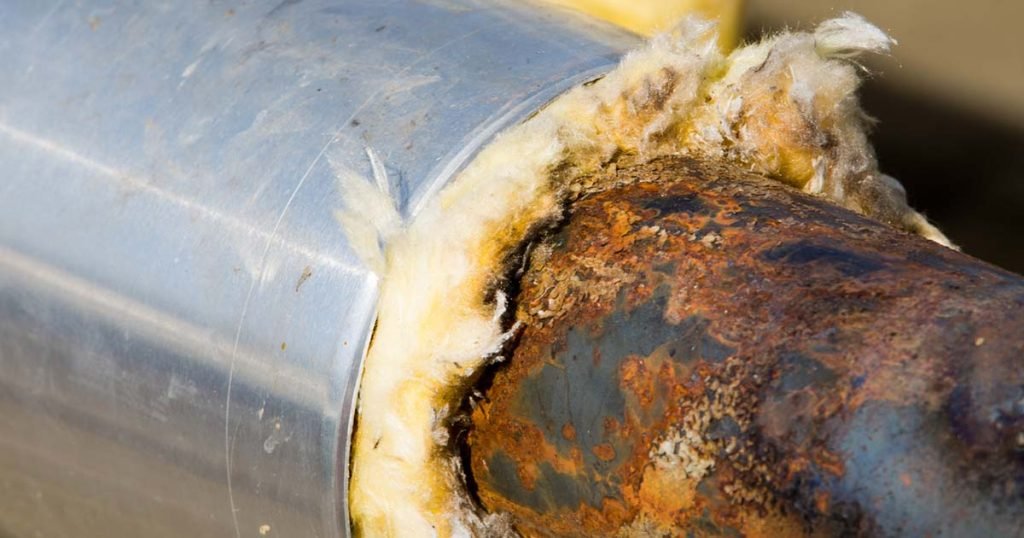
- Corrosion Under Insulation (CUI)
- Increased maintenance costs due to CUI
- Higher carbon emissions
- Downtime
Preventing Corrosion Under Insulation (CUI)
Regular inspections are crucial for preventing CUI, which can be a hidden defect. Good insulation systems allow moisture to escape, often using drain plugs or inspection plugs. Various coatings for thermal insulation also protect against chemical solvents.
By following these guidelines, industrial plants can maintain efficient and safe operations while reducing energy costs and environmental impact.