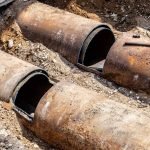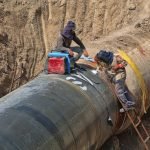
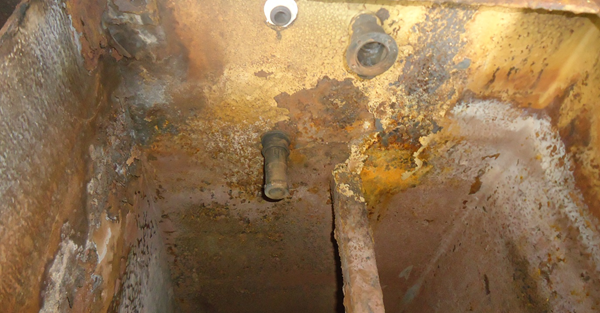
Corrosion can cause serious damage, lead to safety risks, and result in significant financial losses. One of the simplest ways to detect it early is through visual inspection. In this guide, we’ll explain why visual inspections are important and how to recognize the typical signs of corrosion.
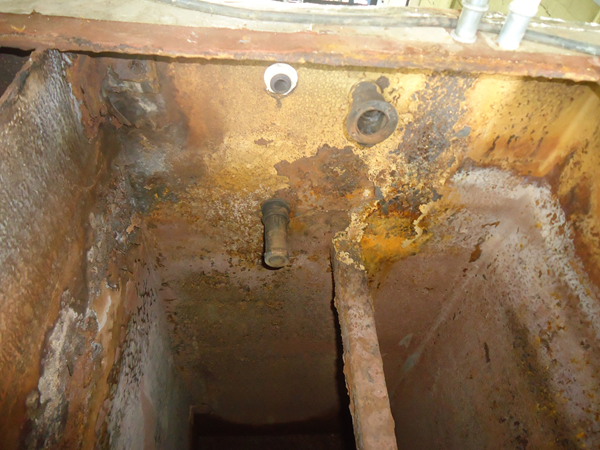
Why Visual Inspections Are Crucial
- Catch Problems Early: Visual inspections help find corrosion at an early stage, which can prevent more severe damage.
- Affordable Solution: Compared to other methods, visual inspections are low-cost and efficient.
- Easy to Perform: Anyone can conduct a visual inspection with minimal training.
Recognizing Common Corrosion Signs
- Rust or Corrosion Marks: Look for orange or reddish-brown spots on metal.
- Small Cracks: Notice any tiny cracks or splits on metal surfaces.
- Pits or Small Holes: Check for small holes or pits, which are signs of deep corrosion.
- Color Changes: Watch for unusual stains or discoloration on metal.
- Peeling or Flaking: Be alert for paint or coatings that are peeling or flaking off.
Tips for Effective Visual Inspection
- Ensure Good Lighting: Make sure the area is well-lit to spot corrosion more easily.
- Use Magnifying Tools: Utilize magnifying glasses or cameras to see small details better.
- Inspect Often: Regular checks are essential to catch corrosion early.
- Educate Your Team: Train your team members on what to look for during inspections.
Final Thoughts
Visual inspections are a vital tool for finding signs of corrosion early. By consistently inspecting equipment and knowing what signs to look for, organizations can prevent further damage, save money, and keep operations safe. Remember, the sooner you detect corrosion, the better you can manage it.
Book Your Free Consultation Today! Learn how visual inspections can improve your strategy for spotting and preventing corrosion. Our experts are here to offer personalized advice to help you maintain the reliability of your assets by catching corrosion early.