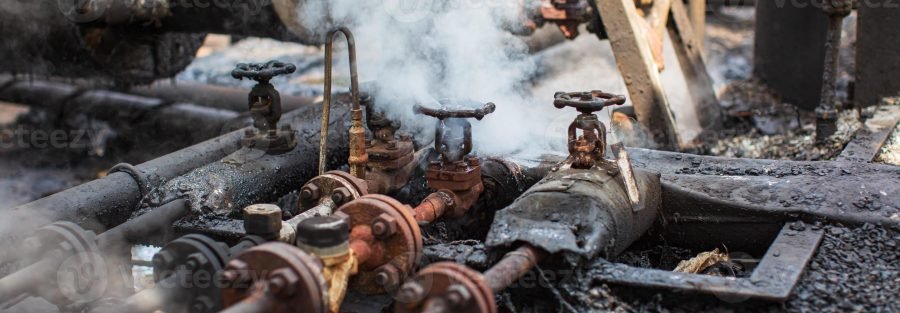
Steam leaks are a widespread and critical problem in chemical plants. They affect safety, efficiency, and profitability. This post will explore the reasons behind steam leaks, their consequences, and effective solutions to manage them.
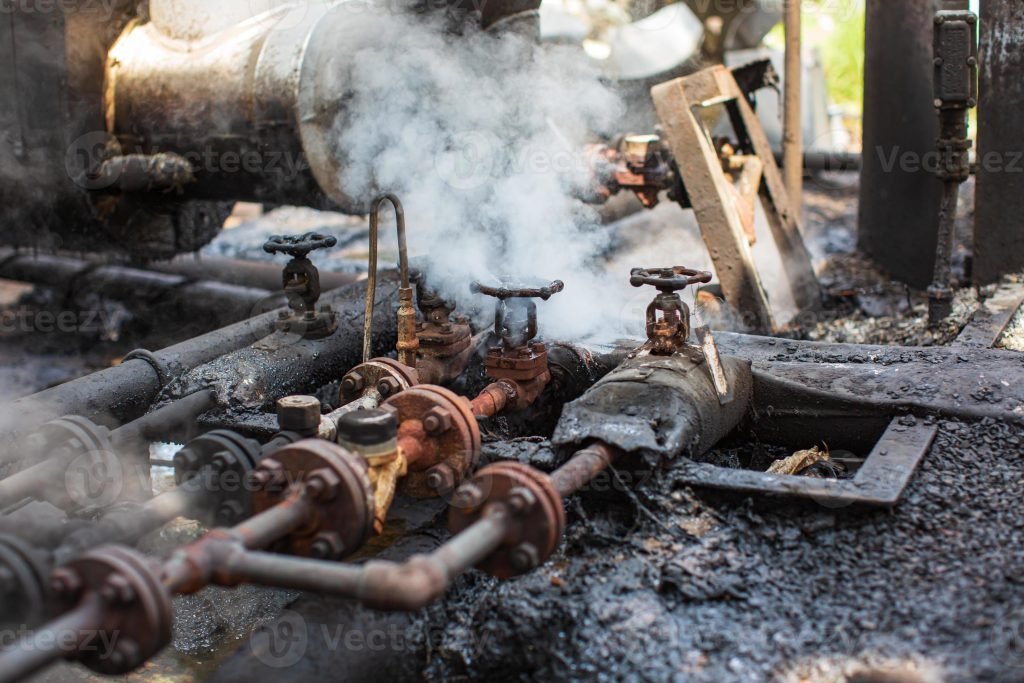
Why Do Steam Leaks Happen?
- Aging Equipment – Old steam pipes and machinery tend to develop leaks over time due to wear and tear.
- Corrosion Issues – Chemical reactions and moisture can corrode pipes and equipment, leading to steam leaks.
- Poor Maintenance Practices – Lack of regular and proper maintenance can increase the chances of steam leaks.
- Excessive Pressure – High pressure in steam lines can cause pipes to burst or leak.
What Are the Consequences?
- Safety Hazards – Steam leaks can cause severe injuries like scalding and burns to workers.
- Energy Waste – Leaking steam means losing energy, which increases operational costs and reduces efficiency.
- Environmental Damage – Steam leaks can release harmful chemicals, leading to environmental pollution.
- Equipment Damage – The corrosive nature of steam can harm equipment, resulting in costly repairs and downtime.
How Can We Fix Steam Leaks?
- Regular Maintenance – A proactive and thorough maintenance program helps detect and fix leaks early.
- Advanced Leak Detection – Use advanced technologies like acoustic sensors and thermal imaging to identify leaks quickly.
- Right Material Choice – Select materials specifically designed to resist corrosion and wear in steam systems.
- Optimize Steam Systems – Enhance steam system designs to minimize pressure fluctuations and energy loss, reducing the strain on pipes and equipment.
Conclusion
Steam leaks are a complex challenge in chemical plants, but they can be managed effectively. By understanding the causes and impacts of steam leaks and applying preventive measures and advanced technologies, plants can improve safety, boost efficiency, and support sustainable operations.
If you’re facing steam leak problems, seek expert help. Experienced consultants can evaluate your steam system, identify issues, and recommend customized solutions to protect your plant and enhance its performance.