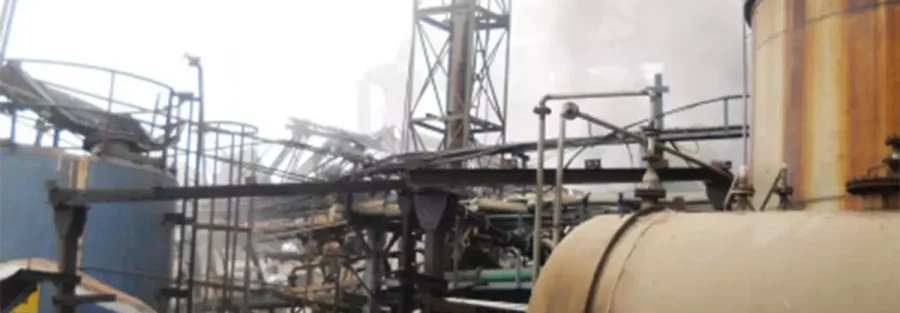
Gas leakages are a critical safety concern in chemical process plants, posing significant risks to personnel, equipment, and the environment. These leakages can occur due to various factors, including equipment failure, human error, or natural disasters.
In this blog, we will explore the causes, consequences, and prevention strategies for gas leakages in chemical process plants.
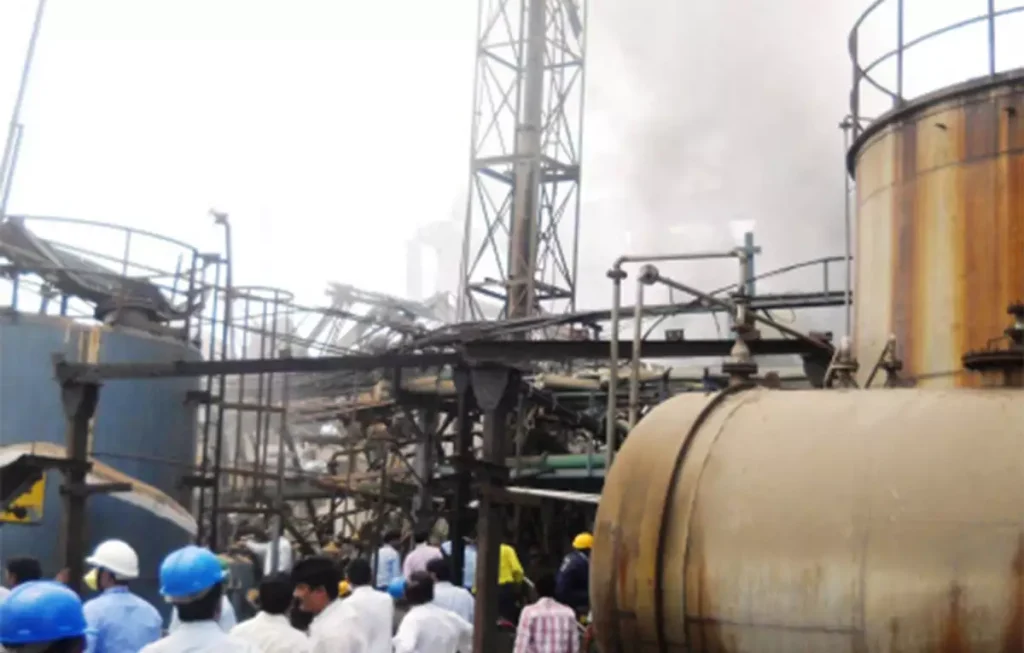
Causes of Gas Leakages:
- Equipment Failure: Aging or poorly maintained equipment, such as valves, pumps, and pipelines, can lead to gas leakages.
- Human Error: Inadequate training, improper procedures, or careless handling of equipment can result in gas leakages.
- Corrosion: Corrosion of pipes and equipment can weaken their structural integrity, leading to gas leakages.
- Natural Disasters: Earthquakes, floods, or other natural disasters can damage equipment and infrastructure, causing gas leakages.
- Design Flaws: Inadequate design or inadequate material selection can lead to equipment failure and gas leakages.
Consequences of Gas Leakages:
- Safety Risks: Gas leakages can lead to explosions, fires, or toxic gas exposure, posing serious risks to personnel.
- Environmental Damage: Gas leakages can contaminate soil, water, and air, causing long-term environmental damage.
- Equipment Damage: Gas leakages can damage equipment, leading to costly repairs or replacement.
- Production Downtime: Gas leakages can disrupt production, resulting in lost revenue and productivity.
- Regulatory Non-Compliance: Failure to address gas leakages can lead to regulatory fines and penalties.
Prevention Strategies:
- Regular Maintenance: Implement regular maintenance schedules to inspect and repair equipment.
- Training and Awareness: Provide personnel with adequate training and awareness on gas leakage risks and procedures.
- Leak Detection Systems: Install leak detection systems to identify potential leaks early.
- Material Selection: Select materials resistant to corrosion and suitable for chemical processes.
- Design Reviews: Conduct regular design reviews to ensure equipment and infrastructure meet safety standards.
- Emergency Response Plans: Develop and implement emergency response plans to address gas leakages.
- Compliance with Regulations: Ensure compliance with relevant regulations and industry standards.
Best Practices:
- Implement a Gas Detection Program: Install gas detectors and monitoring systems.
- Use Advanced Materials: Utilise advanced materials resistant to corrosion and chemical damage.
- Conduct Regular Audits: Perform regular safety audits to identify potential risks.
- Develop a Culture of Safety: Foster a culture of safety among personnel.
- Invest in Research and Development: Stay updated with latest technologies and innovations.
Conclusion:
Gas leakages in chemical process plants pose significant risks to personnel, equipment, and the environment. By understanding the causes, consequences, and prevention strategies, plant operators can minimise these risks and ensure a safer, more efficient operation.
Gas leakage issues? Get expert help! Our consultants assess, diagnose, and deliver tailored solutions to protect your plant and optimise performance.