When it comes to industrial maintenance, expensive, high-performance paints and coatings can be very tempting. You might think that paying more guarantees better protection against corrosion and longer-lasting results.
But this belief can be misleading. The real key to a protective coating’s effectiveness lies in how well the surface is prepared and how carefully the coating is applied, not just the price.
The Hidden Costs of Bad Application
Imagine applying a pricey, top-notch epoxy coating to a steel structure. This coating is known for its excellent chemical resistance and durability.
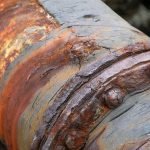
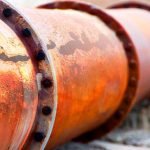
However, if the surface isn’t properly prepared and still has rust, mill scale, or other contaminants, the coating won’t stick well. Eventually, moisture and corrosive substances will seep in, causing the coating to blister, peel off, and the metal to rust.
This small mistake in surface preparation can lead to huge expenses. The corroded structure may need extensive repairs or even replacement, costing much more than the original coating. Plus, the downtime and production losses during repairs can add up significantly.
Why Surface Preparation Matters
Surface preparation is the unsung hero in the world of protective coatings. It involves removing all contaminants, rust, and mill scale from the surface to ensure the coating adheres properly. This is usually done through abrasive blasting or similar cleaning methods.
Applying a coating on an unclean surface is like building a house on a weak foundation. No matter how strong the materials, the house will eventually collapse. Similarly, even the best coating will fail if the surface is not clean and prepared, defeating its purpose.
Application Techniques: Small Details, Big Impact
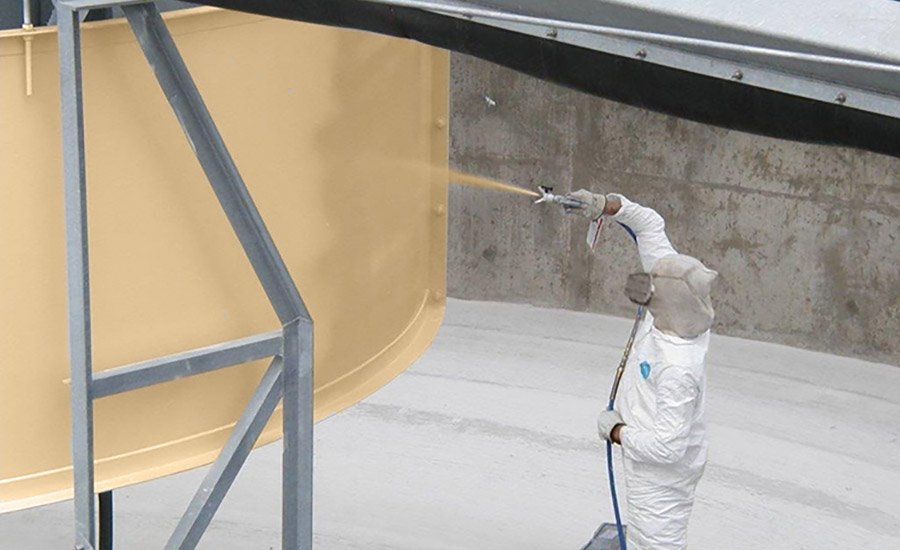
Even with perfect surface preparation, improper application can ruin the effectiveness of a coating. Mistakes like uneven application, wrong film thickness, or improper curing can cause defects like pinholes and cracks, leaving the surface exposed to corrosion.
For example, applying a very thick layer of paint might seem like a good idea, but it can lead to cracking and peeling as the coating dries unevenly. Applying coatings in cold or humid conditions can also prevent proper curing, reducing adhesion and leading to early failure.
How to Get the Best Results: Focus on Proper Application
To get the best performance from protective coatings, it’s essential to focus on proper surface preparation and application. Here are some steps to follow:
- Thorough Inspection: Inspect the surface for existing damage or corrosion and address it.
- Proper Cleaning: Use the right cleaning methods to remove oil, grease, dust, and rust.
- Abrasive Blasting: Use abrasive blasting to create the specified surface profile for the best adhesion.
- Qualified Applicators: Hire experienced applicators trained in the specific coating system.
- Environmental Control: Apply coatings in ideal conditions, following the manufacturer’s guidelines for temperature and humidity.
- Quality Control: Implement a quality control program to monitor preparation, application, and curing processes.
By focusing on proper application, you can maximize the benefits of even the most expensive protective coatings. This not only ensures long-term protection against corrosion but also reduces maintenance costs and extends the lifespan of your assets.
Conclusion: More Than Just a Price Tag
The effectiveness of protective coatings isn’t just about how much they cost. Proper surface preparation and meticulous application are crucial. By prioritizing these factors, you can turn a potential costly mistake into a wise investment, protecting your assets and ensuring they last longer.