Gas coolers are integral components in various industrial processes, especially in sectors such as oil and gas, petrochemical, and power generation. They are responsible for cooling gases and preventing overheating, ensuring smooth and efficient operations. However, when gas coolers experience frequent damage and leaks, leading to replacement every 5-6 months, it signals a larger issue: the need for enhanced materials of construction (MoC) to improve durability and operational reliability.
In this blog, we’ll explore the significance of the material selection in gas cooler performance, why frequent damage and leaks occur, and how enhancing the MoC can mitigate these challenges, reducing downtime, operational costs, and improving long-term reliability.
The Problem: Frequent Damage and Leaks in Gas Coolers
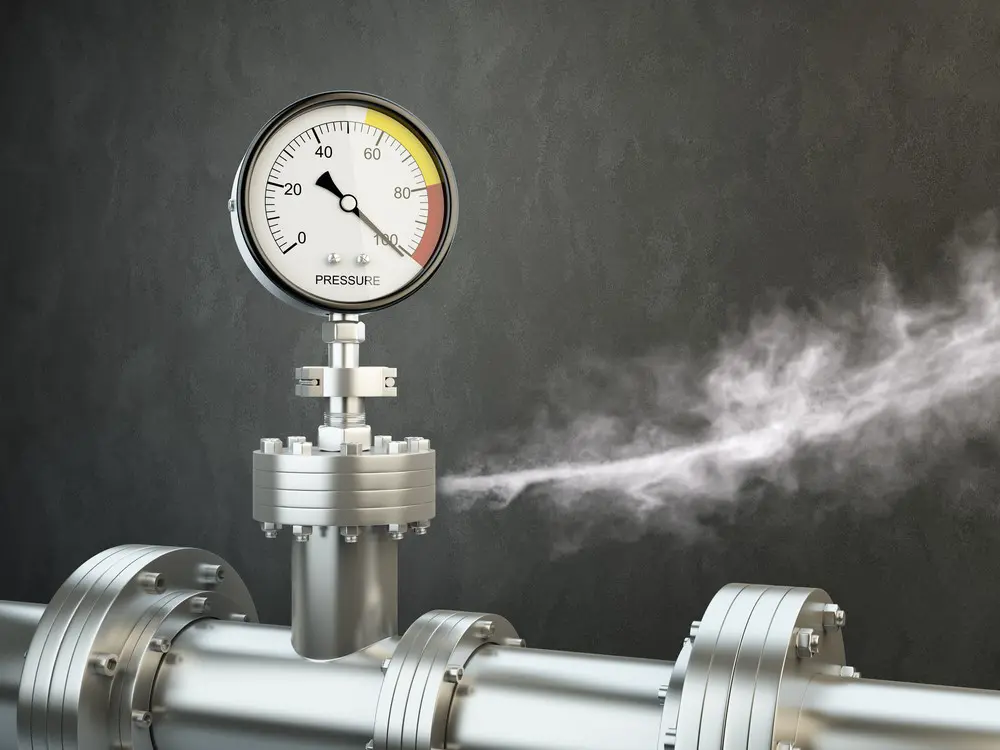
Frequent damage and leaks in gas coolers typically stem from a combination of factors, such as:
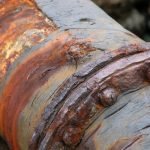
- Corrosion: Gas coolers often operate in environments with high levels of moisture, temperature fluctuations, and corrosive gases. Over time, exposure to these elements leads to the corrosion of metal surfaces, which weakens the structure and leads to leaks and premature failure.
- Material Fatigue: Gas coolers experience constant thermal cycling as they deal with fluctuating gas temperatures. This repeated expansion and contraction can lead to fatigue in the material, which in turn causes cracks, leaks, and structural failure.
- Mechanical Stress: Gas coolers endure high internal pressure and mechanical stress, particularly in industrial settings with demanding operational conditions. Over time, these stresses can cause material deformation, leading to failure.
- Inadequate Maintenance: If regular maintenance checks are not performed, minor wear and tear can escalate into major issues, including cracks and leaks, requiring frequent replacements.
When these issues occur regularly, such as every 5-6 months, it indicates that the material of construction (MoC) used in the gas cooler is inadequate for the operating conditions. This leads to the need for frequent repairs, higher maintenance costs, and unplanned downtime.
The Role of Material of Construction (MoC) in Improving Durability
The material of construction is a critical factor in ensuring the longevity and efficiency of gas coolers. Selecting the right materials can drastically improve the cooler’s resistance to corrosion, fatigue, and mechanical stresses, all while enhancing its performance and reliability.
Here’s why exploring enhancements in MoC is a vital step:
- Resistance to Corrosion
One of the most common issues leading to gas cooler damage is corrosion, particularly in harsh industrial environments. Corrosive elements, such as acidic gases or high humidity, can rapidly degrade the metal surfaces of the cooler. By upgrading the MoC to corrosion-resistant alloys, such as stainless steel or specialized high-alloy materials, the gas cooler can withstand these conditions longer, reducing the frequency of leaks and the need for replacements.
Example materials to enhance corrosion resistance:
- Stainless steel: Known for its excellent resistance to rust and corrosion in many environments.
- Nickel alloys: Especially beneficial in highly corrosive environments like sulfur or acid gases.
- Coated materials: Special coatings such as anti-corrosion coatings can be applied to existing surfaces to enhance resistance to aggressive environments.
- Fatigue Resistance
Gas coolers face constant thermal cycling due to fluctuating gas temperatures. This thermal expansion and contraction can lead to material fatigue, cracking, and eventual failure. Materials with high fatigue resistance, such as certain high-alloy steels and titanium alloys, can withstand these temperature cycles without compromising their structural integrity.
Example materials for improved fatigue resistance:
- Titanium alloys: Known for their strength and resistance to thermal cycling.
- High-performance steels: These steels are designed to handle thermal stress and mechanical fatigue in challenging industrial applications.
- High Strength and Durability
Gas coolers operate under high pressure, which can lead to mechanical stress and material deformation over time. Choosing materials with high tensile strength and toughness can help the cooler withstand these pressures without suffering from leaks, cracks, or bends. Additionally, some advanced alloys can be designed to handle extreme pressure and temperature conditions, ensuring the cooler’s operational reliability.
Example materials for high strength:
- Duplex stainless steel: Known for its excellent combination of strength and corrosion resistance.
- High-strength carbon steels: Often used in pressure vessels and heat exchangers for their superior mechanical properties.
- Thermal Conductivity and Heat Resistance
A gas cooler’s ability to effectively transfer heat is central to its performance. Materials with high thermal conductivity are essential to ensure efficient heat exchange. At the same time, the material must resist thermal damage caused by high temperatures. By choosing materials with optimal thermal conductivity and heat resistance, you can improve the gas cooler’s efficiency and extend its operational life.
Example materials for thermal performance:
- Copper-nickel alloys: These materials offer excellent thermal conductivity and corrosion resistance in marine and industrial applications.
- Aluminum alloys: Known for their light weight and good heat transfer properties.
CorroSafe: Helping You Enhance Material Selection for Gas Coolers
At CorroSafe, we understand the importance of selecting the right material for gas coolers and other critical equipment. Our team of experts can help you identify the ideal MoC based on the specific environmental conditions, operational requirements, and performance expectations for your systems. Here’s how we can assist:
- Material Evaluation and Recommendations
We assess your current gas cooler systems, analyze the factors contributing to frequent damage, and recommend superior materials that offer enhanced corrosion resistance, fatigue strength, and thermal performance. Our recommendations are tailored to your specific operational needs.
- Material Upgrades and Retrofits
CorroSafe offers material upgrade services to enhance the MoC of your existing gas coolers. By retrofitting your systems with more durable, high-performance materials, we help increase the lifespan of your equipment and reduce replacement costs.
- Engineering and Design Support
Our engineering team works closely with you to optimize the design and construction of gas coolers, ensuring that material selection aligns with operational conditions, maintenance schedules, and safety requirements.
- Ongoing Support and Maintenance
CorroSafe provides ongoing support and maintenance services to ensure the continued performance of your gas coolers. We can implement corrosion monitoring, periodic inspections, and material condition assessments to prevent future damage and leaks.
Conclusion: Investing in the Right Material of Construction
Frequent damage and leaks in gas coolers can significantly disrupt operations, increase costs, and reduce reliability. By exploring enhancements in the material of construction (MoC), industries can significantly improve the durability, efficiency, and operational reliability of their gas coolers. “CorroSafe” is here to assist in evaluating, recommending, and implementing the right materials to enhance the performance of your systems and reduce the need for frequent replacements.
Contact “CorroSafe” today to discuss how we can help you extend the life of your gas coolers and improve their overall efficiency with the right material selection.