
As energy costs continue to rise, optimising energy consumption has become a top priority for businesses and individuals alike. An energy audit is a comprehensive assessment of a building’s energy usage, identifying areas of inefficiency and providing actionable recommendations for improvement.
In this blog, we’ll delve into the benefits, process, and best practices of energy auditing.
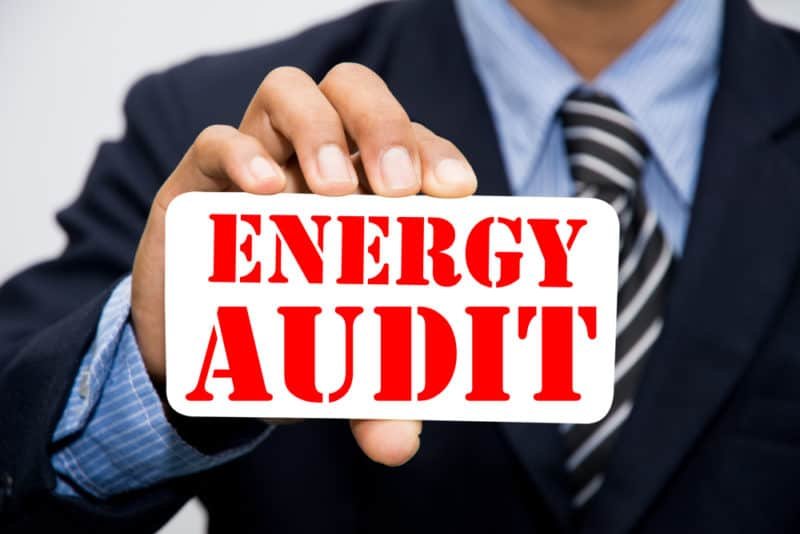
Benefits of Energy Auditing:
- Energy Cost Savings: Identify opportunities to reduce energy consumption and lower utility bills.
- Environmental Benefits: Decrease greenhouse gas emissions and minimise carbon footprint.
- Increased Energy Efficiency: Optimise energy usage and reduce waste.
- Improved Building Performance: Enhance occupant comfort and productivity.
- Compliance with Regulations: Meet energy efficiency standards and regulations.
Energy Audit Process:
- Preliminary Assessment: Review energy bills, building plans, and existing systems.
- On-Site Survey: Conduct a thorough examination of building envelope, lighting, HVAC, and electrical systems.
- Energy Usage Analysis: Analyse energy consumption patterns and identify areas of inefficiency.
- Recommendations and Report: Provide tailored suggestions for energy-efficient upgrades and improvements.
Types of Energy Audits:
- Basic Energy Audit: Simple assessment of energy usage and identification of low-cost improvements.
- Standard Energy Audit: Comprehensive evaluation of energy systems and recommendations for upgrades.
- Investment-Grade Energy Audit: Detailed analysis of energy usage and financial benefits of proposed improvements.
Best Practices for Energy Auditing:
- Hire a Qualified Auditor: Ensure auditor has relevant experience and certifications.
- Use Advanced Diagnostic Tools: Utilise tools like thermal imaging and energy modelling software.
- Involve Stakeholders: Engage building occupants and management in the audit process.
- Prioritise Recommendations: Focus on high-impact, cost-effective improvements.
- Monitor and Verify: Track energy usage and verify savings after implementation.
Common Energy Audit Findings:
- Inefficient Lighting: Replace outdated lighting systems with LED or energy-efficient alternatives.
- HVAC Inefficiencies: Upgrade to energy-efficient heating, ventilation, and air conditioning systems.
- Air Leaks and Insulation: Seal air leaks and improve insulation to reduce heat loss.
- Energy-Wasting Equipment: Replace outdated or inefficient equipment with energy-efficient models.
Conclusion:
An energy audit is a vital step towards unlocking energy efficiency and cost savings. By understanding the benefits, process, and best practices, businesses and individuals can make informed decisions and create a more sustainable future.
Energy Issues in Your Plant? Get Expert Assistance!
Our team provides:
- Energy auditing and analysis
- Energy-efficient solutions
- Plant optimization
- Cost savings implementation
- Sustainability strategies