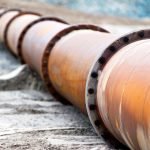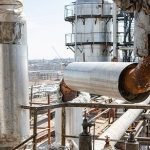
Corrosion is a common problem across many industries like oil and gas, construction, and manufacturing. It can cause equipment to fail, create safety hazards, and lead to huge financial losses.
Traditional methods for detecting corrosion can be slow and expensive. However, corrosion sensors offer a faster, more reliable way to monitor corrosion in real time. In this post, we’ll break down what corrosion sensors are, the benefits they offer, and where they can be used.
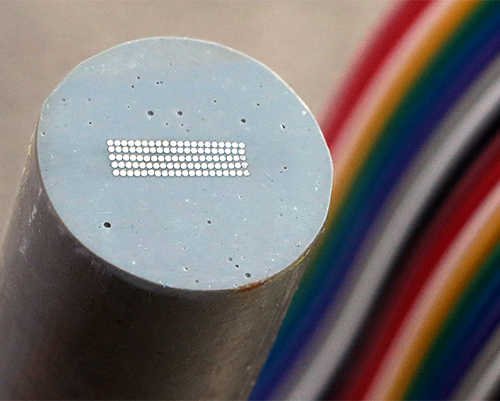
What Are Corrosion Sensors?
Corrosion sensors are tools that help detect and measure corrosion, giving you a clear picture of how well your equipment and structures are holding up.
How Do Corrosion Sensors Work?
- Electrochemical Sensors: These sensors measure corrosion rates by analyzing electrochemical reactions.
- Thickness Sensors: These monitor material thickness to spot any corrosion.
- Temperature Sensors: These can identify temperature changes that might signal corrosion.
- Humidity Sensors: These measure humidity levels that could contribute to corrosion.
Why Should You Use Corrosion Sensors?
- Stay Ahead with Predictive Maintenance: Corrosion sensors let you predict when maintenance is needed, reducing downtime and saving money.
- Get Real-Time Updates: You can receive immediate alerts about corrosion activity.
- Boost Safety: Sensors help you catch safety risks before they turn into serious problems.
- Save on Costs: Extend the life of your assets and cut down on replacement costs.
Where Can You Use Corrosion Sensors?
- Oil and Gas: Keep an eye on pipelines, tanks, and equipment for any signs of corrosion.
- Construction: Detect corrosion in concrete and steel structures to ensure long-term durability.
- Manufacturing: Protect your machinery and equipment from the damaging effects of corrosion.
- Marine: Monitor the condition of ships, boats, and offshore platforms to prevent corrosion damage.
Wrap-Up: Stay Ahead of Corrosion with Smart Sensors
Corrosion sensors are a powerful tool for preventing damage and avoiding costly repairs. By using these sensors, industries can predict issues before they happen, enhancing safety and extending the lifespan of their assets. Whether you’re in oil and gas, construction, or manufacturing, corrosion sensors can help you protect your investments.
Get Expert Advice Today!
Our free consultation services offer personalized recommendations on how to integrate corrosion sensors into your maintenance plan. Don’t delay—schedule your free consultation now and start protecting your assets from corrosion!