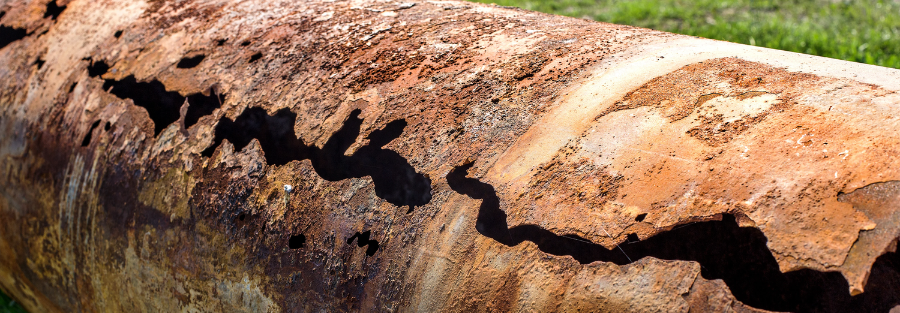
Corrosion is one of those problems many organisations don’t think about until it becomes impossible to ignore. It doesn’t announce itself loudly, and it rarely causes immediate failure. Instead, it works quietly in the background—slowly damaging equipment, weakening structures, and reducing the useful life of valuable assets.
Across industries such as manufacturing, construction, oil & gas, utilities, transportation, and marine operations, corrosion costs billions in repair costs and lost productivity each year. Detailing industry-specific corrosion issues can help organisations develop targeted control measures, making long-term performance, safety, and operating costs more predictable.
What Is Corrosion?
At its core, corrosion is a natural process. When metals are exposed to elements like oxygen, moisture, chemicals, or salt, they begin to react chemically. Over time, this reaction causes the metal to deteriorate, forming rust, cracks, pits, or surface damage.
Several factors can speed up corrosion, including:
- High humidity or constant moisture
- Exposure to chemicals or saltwater
- Outdoor or coastal environments
- Temperature changes that create condensation
- Poor drainage or trapped debris
While corrosion can’t be entirely stopped, ignoring it can drastically shorten the lifespan of assets meant to last decades.
How Corrosion Impacts Asset Lifespan
1. Loss of Strength and Structural Integrity
As corrosion eats away at metal surfaces, it reduces thickness and load-bearing capacity. Over time, this can weaken beams, pipes, tanks, and machinery components—making them unsafe or unusable long before their expected service life ends.
2. Rising Maintenance and Repair Costs
Corrosion damage rarely stays small. What starts as surface rust often leads to part replacement, welding, recoating, or full system overhauls. These reactive repairs are almost always more expensive than planned maintenance.
3. Sudden Equipment Failures
One of the biggest risks with corrosion is that it often goes unnoticed. Internal corrosion or hidden pitting can cause unexpected failures, leading to unplanned downtime, production losses, and emergency repairs.
In many industries, teams assess and monitor the Corrosion Level of critical components using measurable indicators like thickness loss or pitting depth to determine how aggressively the damage is progressing and whether immediate corrective action is required. Tracking deterioration with specific tools helps organizations move from reactive repairs to proactive asset management.
4. Safety and Environmental Concerns
Corroded assets increase the risk of leaks, spills, collapses, and equipment malfunctions. In industries that handle pressure, chemicals, or fuel, corrosion can quickly escalate into a serious safety or environmental incident.
5. Reduced Asset Value
Assets affected by corrosion lose value faster and require earlier replacement. This shortens their lifecycle and lowers return on investment, putting long-term financial pressure on operations.
Common Types of Corrosion That Affect Assets
Different environments create different corrosion problems. Some of the most common types include:
- Uniform Corrosion – General, even material loss over time
- Pitting Corrosion – Small, deep holes that can lead to sudden failure
- Galvanic Corrosion – Occurs when two dissimilar metals interact in the presence of moisture
- Crevice Corrosion – Develops in tight gaps where water and debris collect
- Stress Corrosion Cracking – Cracks caused by stress combined with corrosive conditions
Recognizing which type of corrosion you’re dealing with is crucial for building confidence in choosing effective prevention methods, empowering your team to act proactively.
What You Can Do to Prevent Corrosion
1. Apply Protective Coatings
Paints, sealants, epoxy coatings, and galvanization help shield metal surfaces from moisture and chemicals. However, coatings only work if they’re applied correctly and inspected regularly for damage.
2. Choose the Right Materials
Using corrosion-resistant materials such as stainless steel, aluminum alloys, or specially treated metals can significantly slow corrosion—especially in harsh or outdoor environments.
3. Use Cathodic Protection
Cathodic protection systems prevent corrosion by redirecting electrical reactions away from the metal surface. This method is widely used for pipelines, underground tanks, marine structures, and offshore assets.
4. Manage Environmental Exposure
Improving ventilation, controlling humidity, preventing water buildup, and reducing chemical exposure can greatly reduce corrosion rates—especially in enclosed or industrial settings.
5. Inspect Assets Regularly
Routine inspections help identify corrosion early, when it’s easier and cheaper to fix. Visual checks, thickness measurements, and non-destructive testing methods are all valuable tools.
6. Plan Preventive Maintenance
A proactive maintenance schedule ensures corrosion risks are addressed before they turn into failures. This approach extends asset life and improves reliability across operations.
Why Corrosion Prevention Is Worth the Effort
Organizations that take corrosion seriously see clear long-term benefits:
- Longer asset lifespan
- Fewer unexpected breakdowns
- Lower total maintenance costs
- Improved workplace safety
- Better regulatory compliance
Rather than reacting to corrosion after damage occurs, prevention allows teams to stay in control and plan maintenance on their own terms.
Final Thoughts
Corrosion is a fact of life for metal assets—but premature failure doesn’t have to be. When corrosion is properly understood, monitored, and managed, assets last longer, perform better, and cost less over their lifetimes.
By investing in smart material choices, protective systems, and routine inspections, organizations can significantly reduce corrosion-related risks and protect the long-term value of their assets. In the end, corrosion prevention isn’t just about maintenance—it’s about smarter asset management and long-term sustainability.