

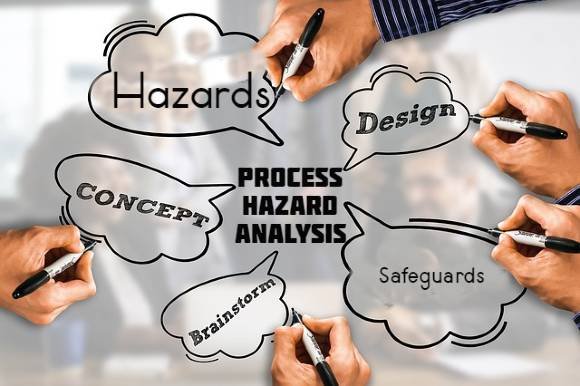
Process hazard analysis (PHA) is a systematic process that can be used to identify, assess, and implement prevention measures for hazards associated with processes using hazardous chemicals.
The fundamental goal of PHA is to ensure the safety of people, the environment, and equipment by detecting potential hazards and developing countermeasures to mitigate or eliminate them.
Importance of Process Hazard Analysis
PHA is essential in various industries, including:
- Chemical processing
- Oil and gas
- Pharmaceuticals
- Petrochemicals
- Power generation
Organizations may be able to:
- Reduce the risk of accidents and injuries
- Minimise environmental damage
- Ensure compliance with regulatory requirements
- Improve process efficiency and reliability
- Enhance corporate reputation
Methodologies for Process Hazard Analysis
- HAZOP (Hazard and Operability): Looks for possible hazards and process operability that may be caused by them.
- What-If: Considers hypothetical scenarios related to alternative courses of action and their consequences.
- Fault Tree Analysis (FTA): It is about identifying the possible paths of failure that can lead to hazardous events.
- Event Tree Analysis (ETA): It is a systematic method of identifying, evaluating, and analyzing the potential consequences of events.
- Layer of Protection Analysis (LOPA): It is a method used to find out and evaluate the factors that protect a system from hazards.
Steps Involved in Process Hazard Analysis
- Define the process: Specify the boundaries, equipment, and chemicals involved.
- Gather information: The data to be collected will be process diagrams, operating procedures, and safety measures.
- Identify hazards: Unearth potential hazards through the methods selected.
- Evaluate hazards: Evaluate the probability and the potential outcome of the identified hazards.
- Develop recommendations: Suggest measures to be taken to either fix or remove hazards.
- Implement recommendations: Conduct the given actions.
- Review and update: Regularly revise and upgrade PHA to keep it safe ongoing.
Tools and Techniques for Process Hazard Analysis
- PHA software: Employ the use of specialized software applications such as PHAPro or Hazop, for the facilitation of the analysis.
- Checklists: Use checklists to ensure that the analysis is comprehensive.
- Flowcharts: Represent the process steps and potential hazards visually.
- Decision tables: Try out how different hazardous events would be dealt with by reviewing their potential effects.
Best Practices for Process Hazard Analysis
- Multidisciplinary teams: Create a team with diversified knowledge.
- Regular updates: Check and update PHA periodically.
- Employee involvement: Involve employees in the PHA so that they become well-versed with the process hazards.
- Documentation: All information should be stored meticulously and in full.
- Regulatory compliance: Having PHA in line with the requisite norms of regulation is a essential thing.
Conclusion
Process hazard analysis is an integral part of process safety management. Thus, with the aid of structured methods and technological devices, firms can pinpoint, measure and manipulate perilous techniques of chemicals.
The comprehensive PHA is updated periodically and gives team the opportunity to communicate with professionals from different fields since people with different views on topics contribute to a better result and finally make a high efficiency of learning each other.
Free Consultation: Expert Process Hazard Analysis Guidance
Schedule your complimentary consultation today and receive tailored solutions from our experts. Ensure your processes are safe, efficient, and compliant.
Contact us now.