Corrosion is already a costly problem for industries worldwide. But there’s one type of corrosion that catches people off guard more than most.
It’s called Microbiologically Influenced Corrosion, or MIC.
Unlike regular rust or chemical corrosion, MIC is driven by living organisms. Tiny microbes that you can’t even see with the naked eye are quietly eating away at pipelines, tanks, and metal structures every single day.
What Is Microbiologically Influenced Corrosion?
Microbiologically Influenced Corrosion is a type of corrosion caused or accelerated by microorganisms.
These microorganisms include bacteria, fungi, and archaea. They live in water, soil, and even inside industrial systems. They form communities on metal surfaces called biofilms.
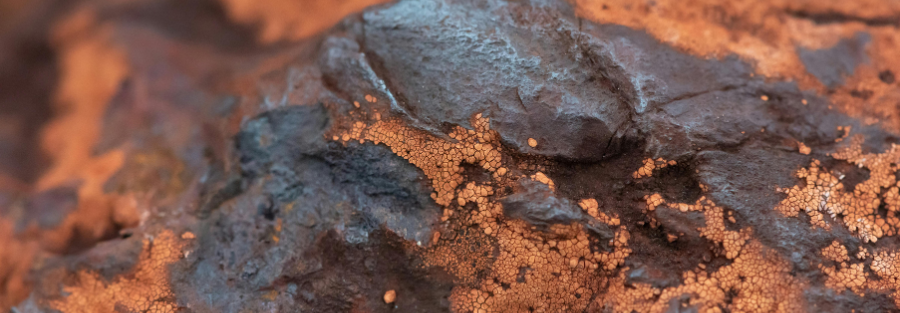
Once a biofilm forms, these microbes start producing corrosive byproducts. Acids, hydrogen sulfide, and other chemicals are released. Over time, these chemicals break down metal from the inside out.
The word “influenced” is important here. Microbes don’t corrode metal by themselves. They speed up the corrosion process and make it far worse than it would normally be.
In some cases, MIC can destroy infrastructure in a matter of months. Structures that should last decades can fail in just a few years when MIC is involved.
A Brief History of MIC
MIC isn’t a new problem. Scientists have known about it since the early 1900s.
In 1934, a researcher named von Wolzogen Kühr first described sulfate-reducing bacteria (SRB) and their role in corroding buried iron pipes. That discovery laid the foundation for decades of MIC research.
Over the years, industries started noticing that corrosion in some environments was happening far too fast to be explained by chemistry alone. Further investigation kept pointing back to microbial activity.
Today, MIC is recognised as a serious industrial problem. It’s estimated that MIC accounts for roughly 20% of all corrosion-related costs globally. That’s billions of dollars every year.
How Does MIC Work?
To understand MIC, you need to understand biofilms.
When microorganisms land on a metal surface in water or moist soil, they don’t just float away. They attach themselves and start multiplying. They produce a slimy protective layer — the biofilm.
Inside this biofilm, different types of microbes work together. Some consume oxygen. Others produce acids. Some generate hydrogen sulfide gas.
All of this creates a chemically aggressive environment right on the metal surface. The metal starts to pit, crack, and weaken.
Here’s what makes MIC so sneaky: the corrosion often happens under the biofilm. From the outside, the pipe or tank might look completely fine. But underneath, there are deep pits and holes forming.
By the time you notice a problem, significant damage has already been done.
The Main Types of Bacteria Involved in MIC
Several groups of bacteria are known to cause or worsen corrosion. The most common ones include:
Sulfate-Reducing Bacteria (SRB). These are the most notorious MIC culprits. They thrive in low-oxygen environments. They convert sulfate into hydrogen sulfide, which is highly corrosive. SRBs are commonly found in pipelines, oil and gas systems, and marine environments. Sulfur-Oxidisingg Bacteria (SOB). These bacteria do the opposite of SRBs. They oxidise sulfur compounds into sulfuric acid. Sulfuric acid is extremely aggressive and can eat through concrete and metal rapidly.
Iron-Oxidising Bacteria (IOB). These bacteria accelerate the oxidation of iron. They create iron deposits that trap moisture against metal surfaces, setting the stage for deeper corrosion underneath.
Acid-Producing Bacteria (APB) These microbes produce organic acids as a byproduct of their metabolism. Acids like acetic acid and formic acid attack metal surfaces directly.
Methanogen:s These are archaea, not bacteria. They produce methane and contribute to electrochemical changes that accelerate corrosion in anaerobic environments.
Where Does MIC Commonly Occur?
MIC can happen almost anywhere there is metal and moisture. But some environments are especially prone to it.
Oil and Gas Industry
This is where MIC causes the most damage. Pipelines, storage tanks, and processing equipment are all at risk. Water trapped inside pipelines creates the perfect breeding ground for SRBs and other corrosive microbes.
A single pinhole leak caused by MIC in a high-pressure gas line can be catastrophic. Explosions, environmental contamination, and costly shutdowns are all real consequences.
Water Treatment and Distribution
Municipal water systems, cooling towers, and wastewater treatment plants all deal with MIC regularly. Biofilms form easily in these systems. They reduce efficiency, contaminate water quality, and shorten the life of equipment.
Marine and Offshore Structures
Ships, offshore platforms, and underwater pipelines face constant MIC challenges. Seawater is rich in sulfate and organic matter — two things bacteria love.
MIC is one of the leading causes of corrosion in marine steel structures. Even structures with protective coatings can be attacked when bacteria find a way underneath.
Nuclear Power Plants
MIC in nuclear facilities is taken very seriously. Cooling water systems are particularly vulnerable. Contamination or equipment failure in these environments carries enormous risks.
Fire Suppression Systems
This one surprises many people. Fire sprinkler systems use water that often sits stagnant for long periods. That stagnant water is a perfect environment for MIC-causing bacteria. Pipes can corrode and fail just when they’re needed most.
Concrete Infrastructure
MIC doesn’t only affect metal. Sulfur-oxidising bacteria produce sulfuric acid that destroys concrete in sewer systems, tunnels, and foundations. This is sometimes called biogenic sulfide corrosion.
How to Detect MIC
Detecting MIC early is critical. The longer it goes unnoticed, the worse the damage becomes.
Visual Inspection
This is the most basic method. Look for unusual pitting, discolouration, or a slimy film on metal surfaces. These can be early signs of biofilm formation.
However, visual inspection alone isn’t enough. MIC often hides under surfaces or inside closed systems.
Microbiological Testing
Water and surface samples can be tested in a lab for the presence of MIC-causing microbes. Culturing methods, DNA testing, and ATP (adenosine triphosphate) testing are all used.
ATP testing is popular because it gives results quickly. It measures the energy present in biological cells, indicating microbial activity levels.
Electrochemical Methods
Electrochemical noise analysis and linear polarisation resistance (LPR) probes can detect changes in corrosion rates inside pipelines and tanks. When microbial activity accelerates corrosion, these instruments pick it up.
Ultrasonic Testing
Ultrasonic thickness gauges can measure how much metal remains in a pipe or tank wall without cutting it open. A drop in wall thickness over time is a red flag.
Internal Inspection Tools (Pigging)
In long pipelines, devices called smart pigs travel through the inside of the pipe and map corrosion. They can detect pitting and wall loss caused by MIC.
Conclusion
Microbiologically Influenced Corrosion (MIC) is a silent but serious threat to industrial assets, especially in systems where moisture and microorganisms are present. It accelerates metal damage through biofilm formation and chemical reactions, often leading to deep pitting, leaks, and unexpected failures. Industries such as oil and gas, water treatment, marine, and power generation are particularly vulnerable. The good news is that MIC can be controlled with regular inspection, proper system design, chemical treatment, cleaning, and continuous monitoring. A proactive approach not only protects equipment and ensures safety but also reduces long-term maintenance costs and operational downtime.