
Have you ever seen headlines about a plant leak or fire? Many times, the root cause is simple. The equipment wore out, and no one caught it in time.
Mechanical integrity changes that story. It keeps your pipes, tanks, and machines in good shape. No big surprises. No costly shutdowns.
What Is Mechanical Integrity?
Mechanical integrit is part of process safety management. It makes sure your critical equipment works as designed. From day one until retirement.
You design it right. Install it properly. Maintain it well. Test it often. Repair when needed.
Think of your car. You check thetyress and brakes regularly. Here, the “car” is your entire process system. One weak spot can cause a release of hazardous material.
MI covers pressure vessels, storage tanks, piping systems, pumps, relief valves, and emergency shutdown controls. These items handle dangerous chemicals every day.
The goal stays simple. Prevent failures. Protect people. Protect the environment. Keep production steady.
Why Mechanical Integrity Matters
Equipment does not last forever on its own. Corrosion eats metal. Cracks form from stress. Vibration loosens parts.
Without MI, small issues become disasters. A thin pipe wall finally bursts. A relief valve sticks. A pump seal fails.
Good MI catches these early. You fix them on your schedule, not in an emergency.
Safety improves right away. Workers stay out of harm’s way. Neighbours sleep better at night.
Compliance saves money, too. OSHA fines for missing MI can reach hundreds of thousands. Insurance costs drop when you prove strong programs.
Reliability rises. Less unplanned downtime means more product shipped. Profits grow. The environment stays cleaner. Fewer spills. Less waste.
In 2026, regulators watch more closely than ever. Plants that invest in MI run more smoothly and face fewer audits.
Bottom line: MI is not extra work. It is smart business.
The Key Components of a Strong Mechanical Integrity Program
OSHA breaks MI into six clear parts. Follow them and your program stays solid.
Written procedures
You write down exactly how to inspect, test, and maintain each piece of equipment. No guesswork. Everyone follows the same steps.
Training
Maintenance teams learn the hazards. They practice the procedures. Contractors get the same training. Knowledge stays fresh with refreshers every year.
Inspections and tests
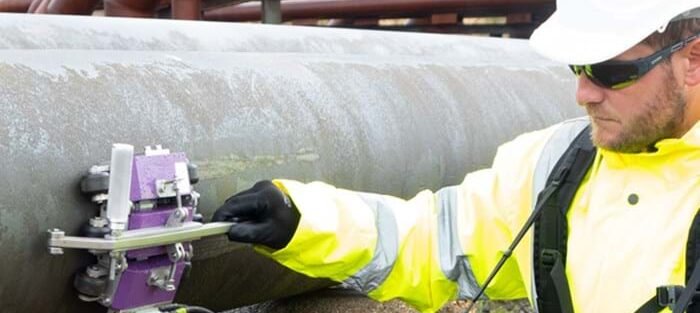
You check equipment on a schedule. Use proven methods. Follow industry codes. Document every result.
Correction of deficiencies
Find a problem? Fix it before the equipment goes back into service. Or take safe steps to manage the risk.
Quality assurance
New equipment must meet specs. Repair materials must match. Installation follows good practices.
Documentation
Keep records for the life of the equipment. Inspectors and auditors love clear files.
Mechanical Integrity vs. Preventive Maintenance: What’s the Difference?
People sometimes use these terms interchangeably. They’re related, but not the same.
Preventive maintenance is about performing scheduled tasks to keep equipment running — lubrication, filter changes, calibration, and similar work.
Mechanical integrity is broader. It’s focused specifically on maintaining the structural and functional integrity of equipment that could cause a hazardous release if it fails. It includes risk assessment, fitness-for-service evaluations, and regulatory compliance elements that go beyond typical maintenance.

Common Challenges in Mechanical Integrity
Even companies that take MI seriously run into problems. Here are some of the most common ones.
Aging Infrastructure
Older facilities have older equipment. As equipment ages, it becomes harder to maintain. Parts may no longer be manufactured. Inspection data may be incomplete or on paper records from decades ago.
Ageing infrastructure requires extra attention and a proactive replacement strategy — not just reactive repairs.
Inspection Backlogs
It’s easy to fall behind on inspections. Shutdowns get delayed. Resources get stretched thin. Before long, you have a pile of overdue inspection items.
Backlogs are a real risk. If equipment hasn’t been inspected on schedule, you don’t know its current condition. That uncertainty is dangerous.
Data Management
A mechanical integrity program generates a lot of data. Inspection records. Thickness measurements. Test results. Work orders. Corrosion rates.
Managing all of that is a real challenge. Paper systems don’t scale. Spreadsheets are error-prone. Many facilities invest in dedicated MI software to keep everythingorganisedd and accessible.
Contractor Management
A lot of inspection and maintenance work is done by contractors. You need to make sure they’re qualified. You need to make sure they follow your procedures. And you need to make sure their findings make it into your records.
Contractor oversight is an area where many facilities fall short — and where OSHA auditors often find violations.
Final Thoughts
Mechanical integrity isn’t complicated in concept. Keep your equipment in good shape. Inspect it regularly. Fix problems when you find them. Train your people. Document everything.
But executing that consistently across ageing equipment, busy schedules, tight budgets, and complex regulations takes commitment.
The facilities that get it right don’t just avoid accidents. They run more reliably, more efficiently, and more profitably than those that don’t.