
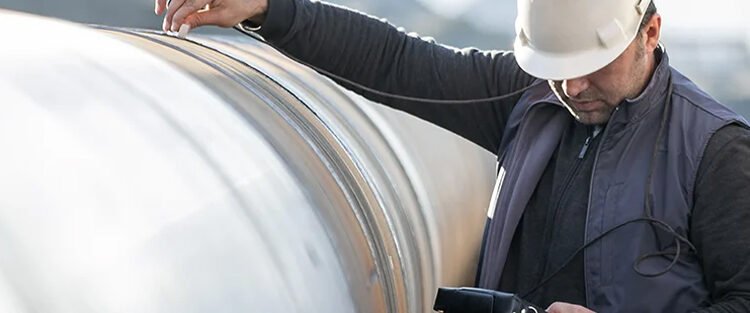
Corrosion is one of the most costly and dangerous degradation processes affecting industrial assets. From pipelines and pressure vessels to bridges and offshore platforms, undetected corrosion can quietly weaken structures until sudden, catastrophic failure occurs. Today, predictive mechanisms for corrosion detection are transforming how industries manage asset integrity—shifting maintenance strategies from reactive repairs to proactive prevention, enhancing safety and operational efficiency.
This article explores the predictive technologies, data-driven models, and monitoring systems that identify corrosion early—long before it becomes a critical failure point. However, understanding current limitations and challenges in deploying these systems is essential for effective adoption and integration.
Why Early Corrosion Detection Matters
Corrosion-related failures can result in:
- Unplanned downtime and production losses
- Environmental damage and regulatory penalties
- Safety hazards for personnel
- Expensive emergency repairs or asset replacement
According to standards published by organizations such as ISO and ASTM International, early-stage corrosion often progresses invisibly beneath coatings, insulation, or internal surfaces. Predictive mechanisms address this challenge by detecting corrosion initiation and growth trends early, empowering industries to prevent failures and maintain operational confidence.
What Are Predictive Corrosion Mechanisms?
Predictive corrosion mechanisms combine real-time monitoring, historical data, and analytical models to forecast when and where corrosion is likely to occur. Unlike traditional inspections performed at fixed intervals, predictive systems continuously assess risk, giving industries a strategic advantage in planning maintenance and reducing unexpected failures.
Key components typically include:
- Sensors and non-destructive testing (NDT) tools
- Environmental and operational data inputs
- Predictive analytics and machine learning algorithms
- Automated alerts and maintenance recommendations
Sensor-Based Technologies for Corrosion Prediction
Modern corrosion monitoring relies heavily on advanced sensor technologies, including:
1. Electrochemical Sensors
These sensors measure corrosion rate, potential, and polarization resistance, making them ideal for pipelines, tanks, and reinforced concrete structures.
2. Ultrasonic Thickness Monitoring
Ultrasonic sensors track gradual wall-thickness loss over time, allowing predictive models to estimate remaining asset life.
3. Fiber Optic and Smart Coating Sensors
Embedded in coatings or structures, these sensors detect moisture ingress, pH changes, and strain—early indicators of corrosive activity.

Data Analytics and Machine Learning Models
Predictive corrosion systems become truly powerful when paired with advanced analytics:
Digital Twins
A digital twin is a virtual representation of a physical asset that simulates corrosion behavior under varying operational conditions.
Machine Learning Algorithms
By analyzing historical inspection data, process parameters, and environmental factors, machine learning models can:
- Identify corrosion patterns
- Predict high-risk zones
- Estimate time-to-failure
Risk-Based Inspection (RBI)
Predictive outputs align closely with RBI methodologies recommended by the American Petroleum Institute, helping operators schedule inspections based on actual risk rather than fixed timelines.
Integration with IoT and Asset Management Systems
The rise of the Industrial Internet of Things (IIoT) has accelerated the development of corrosion prediction capabilities. Networked sensors transmit real-time data to centralized dashboards, where predictive models continuously update corrosion risk profiles.
Key benefits include:
- Continuous asset health visibility
- Automated maintenance triggers
- Reduced manual inspections
- Improved regulatory compliance
Integration with enterprise asset management (EAM) platforms ensures corrosion insights directly inform maintenance planning and capital investment decisions. Detailing the typical integration process and common barriers can help professionals plan for smooth implementation and overcome potential obstacles.
Industries Benefiting Most from Predictive Corrosion Detection
Predictive corrosion mechanisms are especially critical in:
- Oil and gas pipelines and refineries
- Power generation and utilities
- Chemical processing plants
- Marine and offshore infrastructure
- Transportation and civil infrastructure
In these sectors, even minor corrosion can escalate into high-consequence failures if left undetected.
The Future of Corrosion Prediction
Emerging innovations such as AI-driven anomaly detection, self-powered sensors, and autonomous inspection robots are pushing corrosion prediction even further. As predictive accuracy improves, organizations can move toward condition-based and prescriptive maintenance, extending asset life while significantly reducing operational risk.
Conclusion
Predictive mechanisms that identify corrosion before it becomes a failure point represent a fundamental shift in asset integrity management. By combining sensors, data analytics, and intelligent models, industries can detect corrosion earlier, act faster, and prevent costly failures before they occur.
Investing in predictive corrosion technologies is no longer optional—it is a strategic necessity for safer, more reliable, and more sustainable operations.