Welding is one of the most commonly used techniques for joining metal components in various industries, from construction to manufacturing and energy. While it is a reliable and cost-effective method, it comes with its own set of challenges. One of the most critical aspects of welding that is often overlooked is the proper removal of welding flux after the process is completed. When residual welding flux is not properly cleaned, it can lead to unsound welds, weakened structural integrity, and costly repairs down the line.
In this blog, we will explore the importance of proper welding flux removal, the risks posed by inadequate cleaning, and how industries can ensure high-quality, reliable welds by addressing this often-overlooked step.
What is Welding Flux, and Why is it Important?
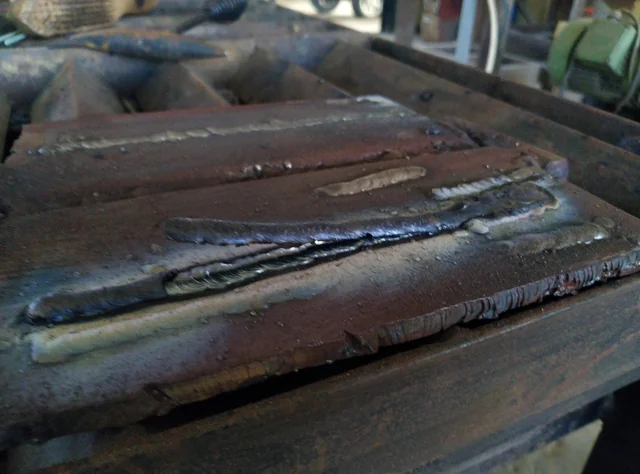
Welding flux is a chemical compound that is applied to the surface of metal during the welding process to protect the molten weld pool from contaminants like oxygen, nitrogen, and moisture. It prevents oxidation, ensures a clean weld, and helps improve the overall strength of the joint. Once the welding is complete, the flux residue must be properly removed, as it can cause several issues if left behind.
There are different types of flux, including those used in arc welding, TIG welding, and MIG welding, each of which has specific characteristics and removal requirements. While the flux is essential during the welding process, failure to remove it adequately after welding can lead to serious consequences.
The Risks of Residual Welding Flux
Improper or inadequate removal of welding flux can result in a range of issues that compromise the strength, reliability, and safety of the welded joint. Here are some of the primary risks associated with leaving welding flux residue behind:
- Corrosion and Pitting
Welding flux residue is highly corrosive, and if left on the welded surface, it can lead to localized corrosion and pitting. The corrosive nature of flux can eat away at the base metal, especially when exposed to moisture or aggressive chemicals. Over time, this corrosion weakens the metal and leads to premature failure of the weld.
- Weakened Weld Strength
Flux residue can interfere with the structural integrity of the weld by forming a barrier between the base material and the filler metal. This can result in incomplete fusion, creating weak points in the weld. These weak spots can lead to fractures, cracks, or failures under stress, particularly in high-load or high-pressure applications. A weld that is not cleaned properly can also have a reduced ability to withstand fatigue, ultimately compromising the overall strength of the welded structure.
- Stress Corrosion Cracking
Residual flux can increase the risk of stress corrosion cracking (SCC), which occurs when a combination of tensile stress and corrosive environments leads to the formation of cracks in the metal. This is especially problematic in industries like oil and gas, chemical manufacturing, and marine applications, where welds are exposed to harsh environments. The presence of flux residue can exacerbate this issue, leading to catastrophic failures in critical components.
- Poor Appearance and Quality Control Issues
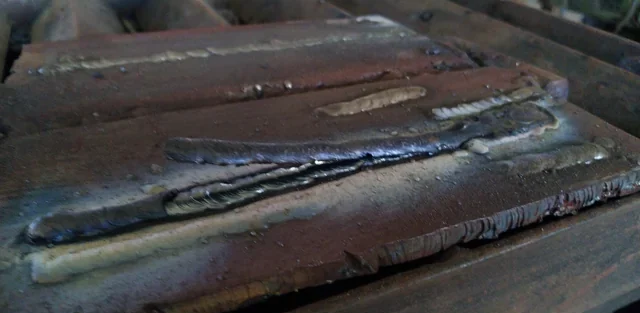
Welds with flux residue tend to have a rough, uneven appearance. These imperfections not only compromise the aesthetic quality of the weld but also signal potential issues with workmanship. In industries where high-quality standards are essential—such as aerospace, automotive, and construction—the appearance and quality of the weld are directly tied to the safety and performance of the final product. Residual flux can undermine these standards and result in costly rework and delays.
- Difficulty in Inspection and Non-Destructive Testing (NDT)
Flux residue can interfere with inspection processes, especially non-destructive testing (NDT) methods like ultrasonic or X-ray inspection. If the residue is not cleaned off properly, it can mask defects in the weld, making it difficult to identify issues such as cracks, voids, or inclusions. This can lead to undetected flaws in the weld, further jeopardizing the safety and reliability of the structure or component.
Best Practices for Proper Welding Flux Removal
To avoid the risks associated with residual welding flux, it’s essential for industries to adopt best practices for cleaning and finishing welded joints. Here are some critical steps to ensure proper flux removal:
- Follow Manufacturer Guidelines
Each type of flux and welding process has specific instructions for cleaning. Manufacturers often provide guidelines for the type of flux residue, cleaning methods, and the tools needed for proper removal. Following these instructions ensures that the cleaning process is both effective and safe.
- Use Appropriate Cleaning Tools
There are several tools available for cleaning welding flux, depending on the type of weld and the environment. These include wire brushes, grinders, chemical flux removers, and abrasive pads. For critical applications, it may be necessary to use ultrasonic cleaning methods or sandblasting to remove the flux completely. The key is to choose the right tool for the job to avoid damaging the weld or base metal.
- Perform Post-Weld Cleaning Immediately
Flux should be removed as soon as the weld cools to prevent it from hardening or bonding to the metal. The longer the flux residue sits on the surface, the more difficult it becomes to remove, and the higher the likelihood of corrosion or other issues developing. A post-weld cleaning schedule should be followed to ensure that flux is removed promptly and effectively.
- Conduct Regular Inspections
Even after proper cleaning, regular inspections are crucial to ensure that the welds remain sound and free of contamination. Visual inspections should be complemented by more advanced testing techniques, such as dye penetrant or X-ray inspections, to ensure that there are no hidden flaws caused by residual flux or poor workmanship.
- Train Welders on Proper Cleaning Techniques
Welders should be trained on the importance of cleaning welding flux and the proper techniques for doing so. Proper training ensures that they understand the consequences of neglecting this step and the best practices for achieving high-quality, clean welds. This can significantly improve the overall quality and durability of welded components.
The Role of CorroSafe in Ensuring Weld Integrity
At CorroSafe, we understand the importance of weld integrity and the role that proper flux removal plays in maintaining structural stability and safety. Our team of corrosion experts provides comprehensive corrosion management services, including inspections, coatings, and maintenance, to ensure that your welded components remain free from corrosion and defects.
With advanced technologies and a focus on quality assurance, CorroSafe can help you identify potential risks associated with improper welding practices and offer solutions to improve the durability and reliability of your welded structures. Whether you’re dealing with residual flux, corrosion, or other welding-related issues, CorroSafe has the expertise to safeguard your assets and ensure long-term performance.
Conclusion: Don’t Let Residual Flux Compromise Your Welds
Residual welding flux may seem like a small issue in the welding process, but its consequences can be severe. From weakening welds and increasing the risk of corrosion to compromising the safety and reliability of your structure, neglecting proper flux removal is a risk that no industry can afford to take. By adopting best practices for cleaning and maintenance, you can ensure the long-lasting integrity of your welded components and protect your assets from costly repairs or catastrophic failures.
At “CorroSafe”, we are committed to helping you maintain the highest standards of welding and corrosion protection. Contact us today to learn more about our corrosion management solutions and how we can help you improve the quality and reliability of your welded structures.