Support beams play a crucial role in maintaining the structural integrity of buildings, bridges, industrial plants, and other infrastructure. These beams bear significant loads and are vital in ensuring the overall stability and safety of any structure. However, when these beams succumb to severe corrosion, the consequences can be disastrous.
In this blog, we will explore the dangers of corroded support beams, the risks posed by compromised structural integrity, and the importance of early detection and proactive maintenance. We will also highlight how industries can mitigate the risks associated with corroded beams to prevent catastrophic failures.
The Hidden Danger: Corroded Support Beams
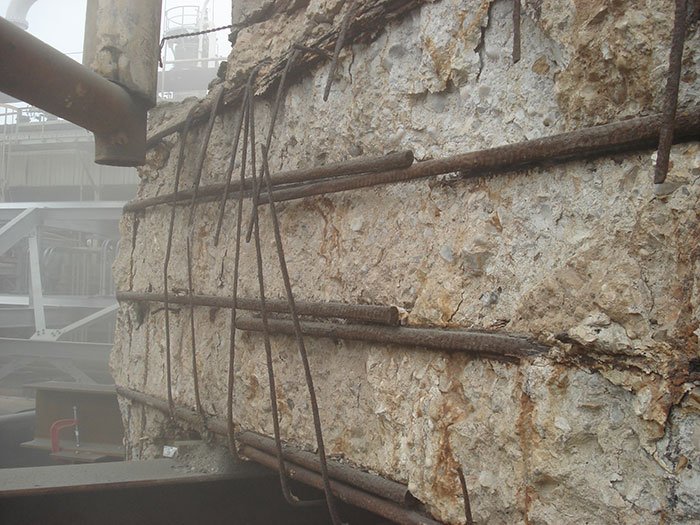
Corrosion is a natural process that occurs when metal reacts with its environment, leading to rust, pitting, and, eventually, perforation. Over time, corrosion can eat away at the material, weakening it to the point where it can no longer support the intended load. Support beams, which are designed to withstand pressure and provide stability, can become increasingly unstable when exposed to moisture, chemicals, or other corrosive elements.
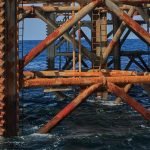
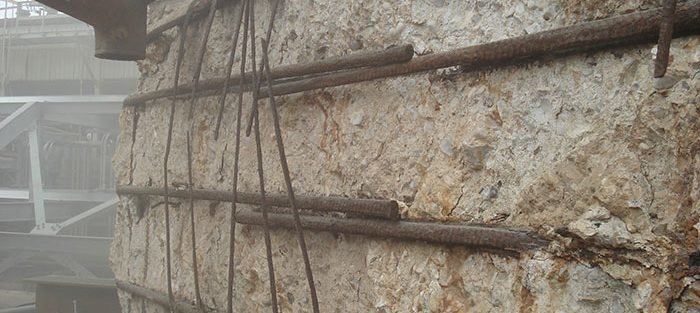
In the case of a support beam showing visible perforations and signs of severe corrosion, the material has already lost a significant portion of its strength. These perforations, while initially small, can quickly escalate into larger holes and cracks that compromise the beam’s load-bearing capacity. As the corrosion progresses, the beam becomes more unstable, and its ability to perform its intended function deteriorates rapidly.
The Consequences of a Corroded Support Beam
When a support beam undergoes severe corrosion, the effects can be catastrophic. Here are some of the critical risks and consequences associated with corroded beams:
- Complete Loss of Structural Integrity
As corrosion eats away at the metal, the beam’s ability to support loads weakens. The perforations and holes that appear on the surface represent a significant loss of material strength. Eventually, the beam may fail to carry the weight it was designed to support, leading to structural instability. This loss of integrity can result in the collapse of surrounding structures, leading to costly repairs, operational downtime, or even complete facility shutdowns.
- Increased Risk of Collapse or Failure
A corroded beam is no longer stable under load-bearing conditions. The continued corrosion causes the material to become brittle, making it more susceptible to cracking or breaking under stress. In areas where heavy machinery, equipment, or human activity is involved, a failure of the support beam could lead to a sudden collapse, posing significant safety risks to personnel, equipment, and the environment.
- Safety Hazards
Support beams are critical to the stability of industrial facilities, bridges, and other large structures. When corrosion sets in, the beam may become unstable and sway under wind loads or heavy vibrations. This instability creates a hazardous environment for workers and operators who rely on these structures for safety. The swaying or shifting of a corroded beam increases the likelihood of accidents, falls, and other safety incidents.
- Increased Maintenance and Repair Costs
Corroded beams often require extensive repairs or even complete replacement. This is a costly process that involves not only replacing the beam itself but also addressing any secondary damage caused by the instability. Additionally, there may be hidden corrosion in other parts of the structure, leading to ongoing maintenance costs. Early detection and intervention can prevent these expenses by addressing the problem before it worsens.
- Impact on Operational Efficiency
Structural failures due to corroded beams can lead to significant downtime, as repairs and replacements are often complex and time-consuming. Even partial failures can disrupt the smooth operation of machinery, delay production processes, and reduce overall productivity. In industries where operational continuity is critical, the risk of a corroded support beam can lead to prolonged periods of inefficiency.
How to Prevent and Address Corroded Support Beams
Preventing corrosion in support beams and maintaining their structural integrity requires a proactive approach. Here are some effective steps industries can take to mitigate the risk of corroded beams:
- Regular Inspections
Regular and thorough inspections are essential for detecting early signs of corrosion. Visual inspections should be conducted frequently to identify any signs of rust, pitting, or perforation. Advanced diagnostic tools, such as ultrasonic testing or corrosion mapping, can be used to assess the extent of the corrosion and help predict potential failure points. Early detection allows for timely repairs and prevents the situation from worsening.
One of the most effective ways to prevent corrosion is to apply protective coatings to support beams and other metal structures. These coatings create a barrier that prevents moisture and corrosive agents from reaching the metal surface. Corrosion inhibitors can also be added to further reduce the risk of corrosion. Regular maintenance of these coatings is essential to ensure they remain effective over time.
- Material Selection
When designing and constructing support structures, it’s crucial to select the right materials for the environment. For instance, stainless steel or galvanized steel is more resistant to corrosion compared to untreated carbon steel. In particularly corrosive environments, such as those exposed to harsh chemicals or saltwater, materials with higher corrosion resistance should be considered to ensure the longevity and stability of the support beams.
- Environmental Control
Reducing exposure to corrosive elements can help mitigate the risk of corrosion in support beams. Implementing better drainage systems, controlling humidity, or reducing chemical exposure can limit the environmental factors that contribute to corrosion. Ensuring that beams are not exposed to excessive moisture or corrosive gases can prolong their lifespan.
- Timely Replacement
In some cases, corrosion may progress to the point where repairs are no longer feasible, and replacement becomes the only viable option. It’s essential to assess the severity of the corrosion and determine whether the beam can be safely restored or needs to be replaced entirely. Waiting too long to replace a severely corroded beam increases the risk of catastrophic failure.
How CorroSafe Can Help
CorroSafe specializes in providing comprehensive corrosion management solutions to industries worldwide. Our team of experts is equipped with advanced tools and techniques to assess the condition of your support beams and other critical infrastructure. Here’s how CorroSafe can assist:
- Corrosion Inspections: We offer detailed inspections using the latest diagnostic technologies to identify corrosion at its earliest stages.
- Material Assessment and Recommendations: Our team can recommend the most suitable materials for your structures, ensuring they are resilient to corrosion.
- Protective Coatings and Maintenance: We provide a full range of protective coatings and corrosion inhibitors to help extend the life of your support beams and other equipment.
- Repair and Replacement Solutions: When repairs or replacements are necessary, CorroSafe ensures that the process is seamless and efficient, minimizing downtime and ensuring structural safety.
Conclusion: Don’t Wait for a Collapse
Corroded support beams are a serious risk to structural integrity and safety. If left unchecked, corrosion can lead to catastrophic failures, significant downtime, and increased costs. Regular inspections, proactive maintenance, and the right corrosion prevention strategies are essential to avoid the dangerous consequences of corroded beams.
“CorroSafe” offers comprehensive corrosion management services to help you protect your infrastructure from corrosion, extend the lifespan of your assets, and ensure safety in your operations. Contact us today to learn more about how we can help you safeguard your support beams and other critical systems.