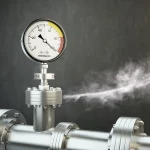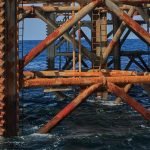
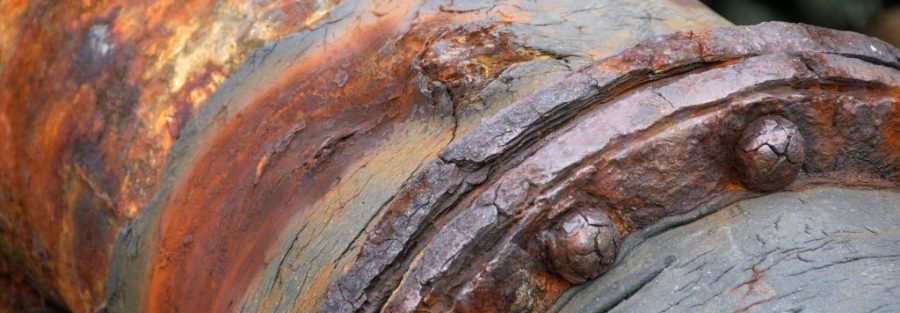
Corrosion is one of the leading causes of equipment failure across industries, causing significant downtime, safety hazards, and costly repairs. For industries operating in highly corrosive environments – such as chemical plants, marine facilities, or oil and gas extraction sites – protecting metal surfaces from aggressive corrosive elements is paramount to maintaining the integrity of equipment. Without proper protection, severe corrosion and chipping can occur, leading to catastrophic system failures.
In this blog, we’ll explore the causes of severe metal corrosion and chipping, the importance of an adequate coating system, and how industries can address these issues to improve equipment durability and operational reliability.
Understanding Severe Metal Corrosion and Chipping
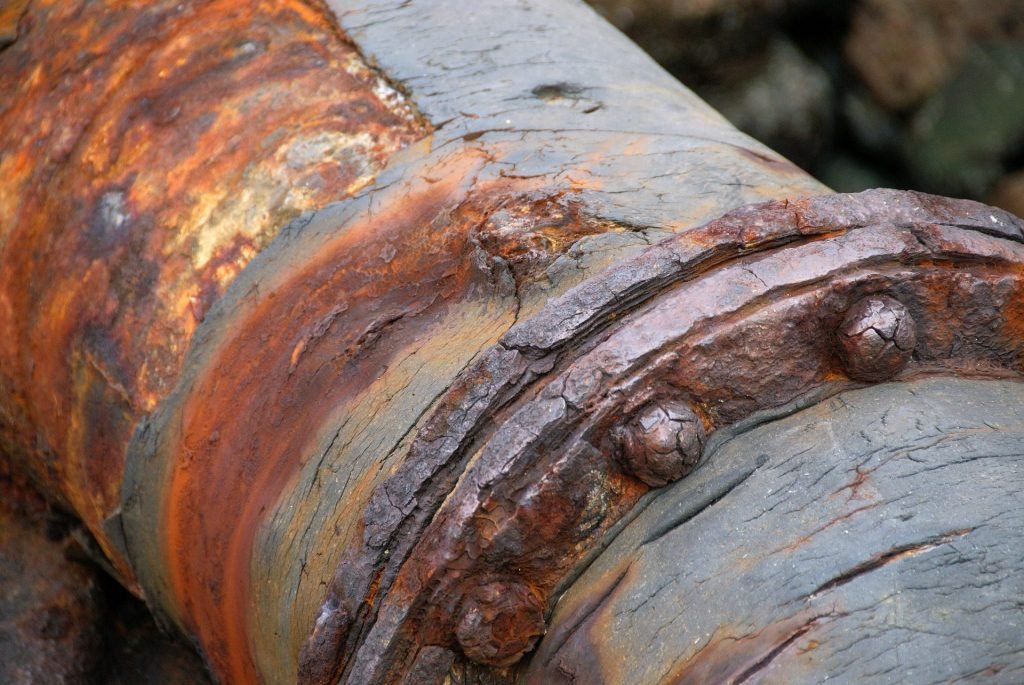
Corrosion is a natural process where metals deteriorate due to chemical reactions with their environment. When the protective layer of a metal is compromised, it becomes susceptible to further deterioration. In highly corrosive environments – where there are elevated levels of salt, acids, moisture, or industrial chemicals – metal surfaces are exposed to aggressive elements that can cause rapid and severe corrosion.
In some cases, this corrosion manifests as “chipping,” where pieces of metal flake off, leading to pitting and weakening of the material. When this process occurs unchecked, it compromises the structural integrity of equipment, leading to the following problems:
- Compromised structural integrity: Corrosion and chipping weaken the material, making it more prone to cracking, bending, and even catastrophic failure.
- Increased maintenance costs: Frequent repairs, replacements, and downtime are necessary to address the damage caused by corrosion.
- Reduced operational efficiency: Equipment operating in corrosive conditions without protection experiences performance degradation, which can disrupt operations.
- Safety hazards: Corrosion can lead to leaks, spills, or even explosions, especially in industries like oil and gas, where dangerous chemicals and gases are involved.
The Role of Coating Systems in Preventing Corrosion
An effective coating system acts as a barrier between the metal surface and the corrosive elements in the environment. Coatings are designed to prevent or slow down the rate of corrosion by creating a protective layer that isolates the metal from moisture, oxygen, chemicals, and other corrosive agents.
Coatings are essential in environments that are particularly hostile to metal components. Here’s how an adequate coating system can mitigate the risk of severe corrosion and chipping:
- Barrier Protection
Coatings create a physical barrier that prevents corrosive agents, like water, salt, and chemicals, from coming into direct contact with the metal surface. This layer helps prevent oxidation and the chemical reactions that lead to corrosion. By forming a protective shield, coatings extend the lifespan of equipment and reduce the need for frequent repairs or replacements.
- Corrosion Inhibition
Some coatings contain corrosion inhibitors that actively reduce or neutralize the chemical reactions that cause corrosion. These inhibitors help to break down corrosive compounds or prevent them from reacting with the metal. Coatings with built-in inhibitors offer an added layer of protection, particularly in aggressive environments like marine or industrial plants.
- Durability in Harsh Conditions
Coatings that are designed specifically for harsh or corrosive environments are often formulated to withstand extreme temperatures, chemicals, and pressure. These advanced coatings can help metals resist degradation under high-stress conditions, reducing the rate at which corrosion occurs.
- Aesthetic and Structural Integrity Preservation
In addition to protecting the material underneath, coatings help maintain the aesthetic quality of the equipment. This is particularly important for industries where appearance is crucial, such as architectural structures or consumer-facing products. Moreover, a well-maintained coating system helps preserve the structural integrity of equipment by preventing chips and scratches that could lead to localized corrosion.
Types of Coating Systems to Combat Corrosion
To protect against severe metal corrosion and chipping, it’s essential to choose the right coating system based on the specific environment and operational needs. Below are some common types of coatings used in corrosive environments:
- Epoxy Coatings
Epoxy coatings are highly effective in protecting metals from corrosion in aggressive environments. They form a strong, durable layer that resists chemicals, abrasion, and moisture. Epoxy coatings are commonly used in industries like chemical manufacturing, oil and gas, and marine applications, where corrosion risks are high.
- Polyurethane Coatings
Polyurethane coatings provide excellent resistance to weathering and abrasion. They are often used in environments where high mechanical strength and chemical resistance are required. These coatings are durable and flexible, making them ideal for use on metal components that undergo frequent stress or movement.
- Zinc-Rich Coatings
Zinc-rich coatings are designed to protect metals from corrosion by providing sacrificial protection. Zinc corrodes more easily than steel, so when applied as a coating, it protects the underlying metal from corrosion. This type of coating is often used for outdoor applications, such as on bridges, pipelines, or steel structures exposed to marine environments.
- Ceramic Coatings
Ceramic coatings are used for extreme environments where metals are exposed to very high temperatures and aggressive chemicals. These coatings form a hard, heat-resistant layer that provides excellent protection against both corrosion and thermal stress.
- Powder Coatings
Powder coatings offer excellent protection against corrosion, chipping, and scratching. They provide a durable, long-lasting finish and are often used in industries like automotive and manufacturing, where equipment is exposed to harsh conditions and frequent handling.
Why an Adequate Coating System Is Critical
In industries with harsh environments, the absence of an effective coating system can lead to severe consequences. When coatings are not applied or are inadequate, metal surfaces are left vulnerable to corrosion, resulting in:
- Faster deterioration of equipment, requiring frequent maintenance, repairs, or replacements.
- Increased operational downtime due to the failure of key components.
- Higher costs related to repairs, replacements, and reduced efficiency.
- Safety risks as corroded and chipped equipment becomes a hazard to operators and the environment.
By investing in an adequate coating system, companies can avoid these problems, ensuring that their equipment remains operational for longer periods, reducing costs, and improving safety standards.
How CorroSafe Can Help You
CorroSafe specializes in corrosion management and asset integrity solutions. Our team of experts can assess your equipment and recommend the best coating systems to protect against corrosion and chipping. Here’s how we can help:
- Corrosion Audits and Assessments
We conduct thorough corrosion audits and assessments to identify vulnerable areas in your systems. Our team uses advanced diagnostic tools and inspection techniques to evaluate the existing conditions and recommend the most effective coating systems for your needs.
- Coating Selection and Application
CorroSafe works with leading coating manufacturers to provide you with the most suitable coating materials based on the specific challenges of your environment. Our experts apply coatings with precision, ensuring maximum protection and durability.
- Ongoing Maintenance and Monitoring
Coatings require regular monitoring and maintenance to ensure they remain effective. CorroSafe offers ongoing support to inspect and maintain your coating systems, ensuring they continue to protect your equipment from corrosion and damage.
Conclusion
Severe metal corrosion and chipping are significant issues in industries exposed to highly corrosive environments. Without an adequate coating system, metal surfaces deteriorate rapidly, leading to increased maintenance costs, reduced equipment lifespan, and operational downtime. By investing in the right coating system, you can protect your equipment, improve its durability, and ensure operational reliability.
“CorroSafe” offers comprehensive solutions for corrosion management, including the selection, application, and maintenance of protective coatings. Contact us today to learn how we can help protect your assets from severe corrosion and extend their operational life.