
In industrial settings, the structural integrity of equipment and infrastructure is critical to ensuring smooth operations, safety, and long-term performance. One of the most common issues that can compromise this integrity is the absence of proper support welding. Support welds are essential for maintaining the stability of various components such as pipes, pressure vessels, platforms, and structural frames. Without these crucial welds, the system becomes vulnerable to mechanical failure, safety hazards, and costly repairs.
In this blog, we’ll discuss the importance of support welding, the risks associated with its absence, and how industries can address these challenges effectively.
What is Support Welding?
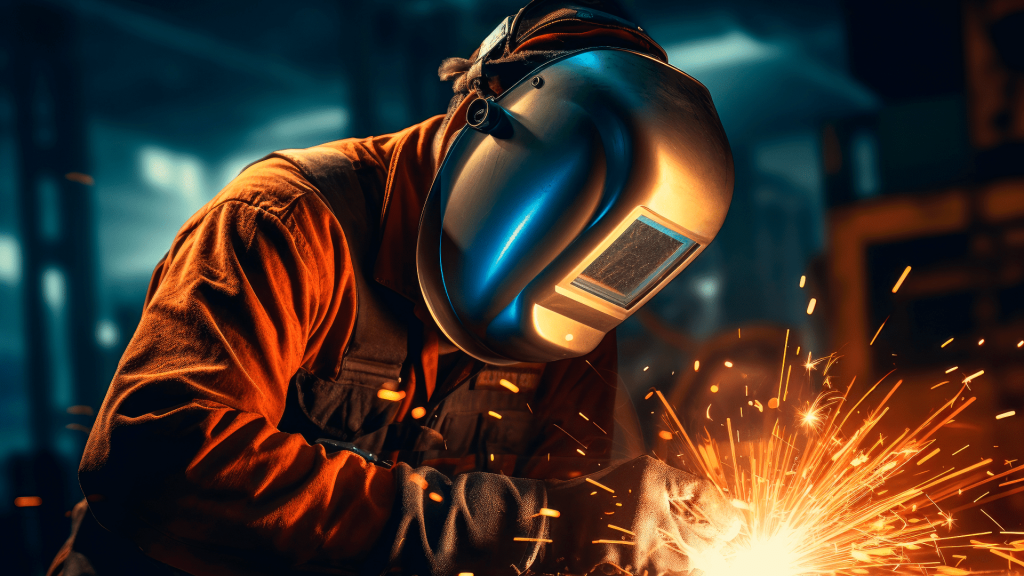
Support welding refers to the process of using welded joints to provide structural support and stability to various components in industrial systems. These welds serve as a means of reinforcing connections between different parts, ensuring that they remain securely in place under normal operational conditions. In many cases, support welds are used to join structural members like beams, brackets, or supports that bear the load of equipment, pipes, and vessels.
Proper support welding ensures that components can withstand the stresses placed on them by internal pressure, temperature changes, mechanical loads, and environmental factors. It helps distribute these forces evenly across the structure, preventing localized failures and ensuring that the system functions as intended.
The Risks of Inadequate or Absent Support Welding
When support welding is absent, improper, or substandard, the risks to structural stability are significant. The consequences can range from minor discomfort, such as maintenance inefficiencies, to severe operational hazards like system failures, accidents, and even catastrophic damage. Below are some of the key risks posed by the absence of support welding:
- Loss of Structural Stability
Without proper support welding, the structural stability of the equipment is compromised. Components may shift or become misaligned due to the absence of welded connections that hold them in place. This misalignment can lead to uneven weight distribution, causing deformation or failure of critical parts.
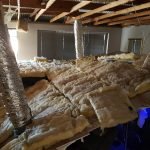
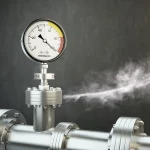
For example, in piping systems, the lack of support welding could cause pipes to sag or bend under pressure, eventually leading to leaks, bursts, or breaks. In more extreme cases, entire structures like platforms or frames may collapse due to the failure of support joints.
- Increased Vibration and Stress on Components
Support welding not only holds components in place but also absorbs vibrations and other forces generated during operation. In the absence of these welds, the system is subjected to higher levels of mechanical stress, which can lead to accelerated wear, fatigue, and eventual failure. Equipment that would normally remain stable becomes more prone to vibrations, which can weaken joints, cause fatigue cracks, and, in turn, lead to costly breakdowns.
- Safety Hazards
The absence of proper support welding introduces significant safety risks for workers and personnel. Equipment that lacks sufficient support can collapse or fail unexpectedly, posing immediate dangers. This is particularly true for platforms, storage tanks, and pressure vessels, where structural failure can result in leaks, explosions, or spills of hazardous materials.
In high-pressure or high-temperature environments, the absence of welding can lead to catastrophic failures, putting not only the equipment at risk but also the safety of personnel working in close proximity.
- Increased Maintenance Costs
Without support welding, structural components become more susceptible to damage over time. As the integrity of the system weakens, the risk of breakdowns and malfunctions increases. This leads to more frequent inspections, repairs, and replacements, all of which result in higher maintenance costs. Furthermore, the absence of support welds may result in downtime, reducing productivity and affecting overall efficiency.
- Regulatory and Compliance Issues
In many industries, adherence to safety and structural standards is legally required. The absence of support welding could lead to violations of safety regulations, especially in sectors like oil and gas, chemicals, and manufacturing, where infrastructure integrity is critical. Failing to meet these standards can result in fines, legal issues, and damage to the company’s reputation.
How to Address the Issue: Best Practices for Support Welding
To mitigate the risks posed by the absence of support welding, industries must prioritize proper welding practices and ensure that support welds are designed and executed effectively. Below are some key practices for ensuring structural stability through welding:
- Conduct Regular Inspections and Assessments
The first step in addressing the absence of support welding is to identify any existing gaps or weaknesses in the system. Regular inspections, including non-destructive testing (NDT), can help detect areas where welding support is inadequate or missing altogether. CorroSafe, for example, can provide detailed corrosion and structural integrity assessments to ensure that your equipment remains safe and reliable.
- Ensure Proper Welding Standards
Support welding should be performed according to strict industry standards, including those set by organizations like the American Welding Society (AWS) or the American Society of Mechanical Engineers (ASME). The quality of the welding, the type of materials used, and the techniques employed all play a role in ensuring the long-term strength and durability of the support welds. Poor workmanship, such as inadequate penetration or improper bead formation, can weaken the weld and compromise the integrity of the system.
- Upgrade and Retrofit Existing Systems
If the absence of support welding is detected in an existing system, it’s important to take corrective action before problems arise. Retrofitting or reinforcing vulnerable structures with additional support welds can restore stability and prevent future issues. CorroSafe offers retrofit services to strengthen equipment and restore full operational safety.
- Train and Certify Welding Personnel
The skill of the welder performing the support weld is paramount. Proper training and certification ensure that welding is done correctly and according to the best practices. Industries should invest in ongoing training programs to ensure that welding personnel are up-to-date with the latest techniques and standards.
- Apply Preventative Maintenance Measures
Preventative maintenance is key to identifying and addressing potential issues before they escalate. Regular checks on the structural integrity of equipment and support systems will help spot early signs of wear or failure in support welds. Preventative maintenance minimizes the risk of sudden failures and ensures that equipment operates smoothly over the long term.
Conclusion
The absence of support welding is a serious risk that can jeopardize the structural integrity and safety of your equipment and infrastructure. With “CorroSafe’s” expertise in welding, corrosion prevention, and asset integrity management, you can ensure that your systems remain stable, safe, and operational for the long term. Don’t let the lack of support welding compromise your assets – contact “CorroSafe” today to learn how we can help protect your equipment and infrastructure from costly failures.