

When metals of different grades are stored or come into contact with each other in a moist or conductive environment, the risk of galvanic corrosion becomes a serious concern. This phenomenon can accelerate the deterioration of metals and cause significant damage to structures, equipment, and machinery, leading to costly repairs and maintenance. To prevent this, it’s essential to understand the principles of galvanic corrosion, why storing different grades of metals together promotes it, and how to mitigate the associated risks.
What Is Galvanic Corrosion?
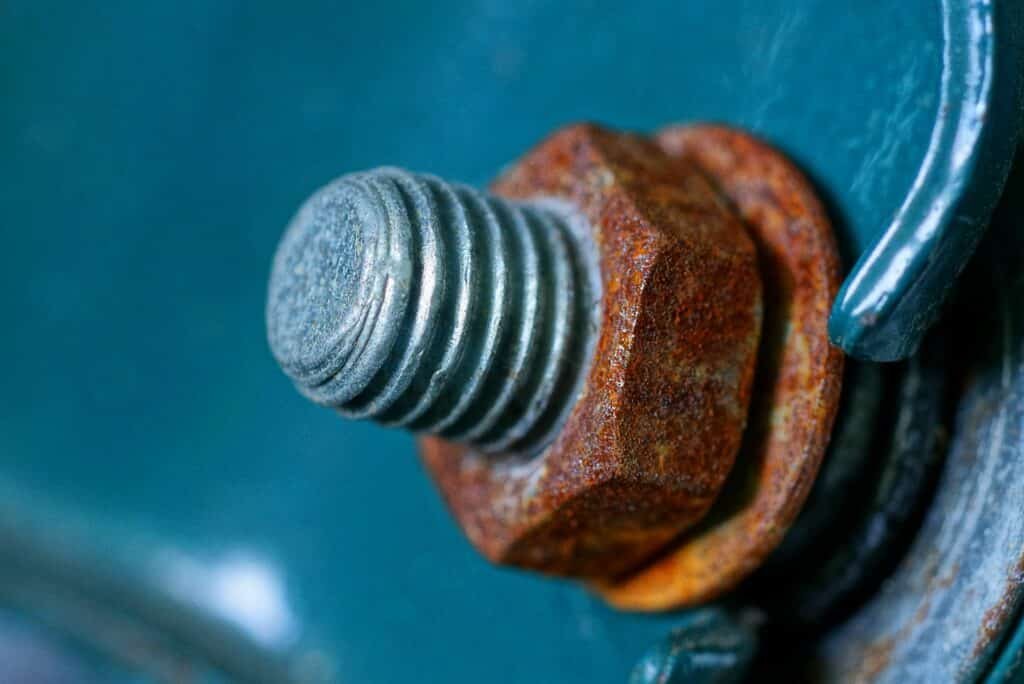
Galvanic corrosion, also known as bimetallic corrosion, occurs when two different metals are electrically connected in the presence of an electrolyte (e.g., water or moisture). One metal, known as the anode, corrodes at an accelerated rate, while the other, known as the cathode, remains protected. The rate of corrosion depends on the electrochemical properties of the metals involved.
In simpler terms, galvanic corrosion happens because of the difference in electrochemical potentials between metals. The metal with the more negative electrochemical potential (the anode) loses electrons and corrodes, while the metal with a more positive potential (the cathode) is protected from corrosion.
Why Does Storing Different Grades of Metals Together Promote Galvanic Corrosion?
Metals vary in their electrochemical behavior. Some metals are more “noble” or resistant to corrosion, while others are more “active” and prone to losing electrons. The closer two metals are in electrochemical potential, the less likely galvanic corrosion will occur. However, when metals with a significant difference in electrochemical potential come into contact, the risk of galvanic corrosion increases.
Here’s why storing different grades of metals together can be problematic:
- Electrochemical Differences Between Metals: Metals like stainless steel, aluminum, copper, and zinc all have different electrochemical potentials. When metals with significantly different potentials (e.g., stainless steel and aluminum) are stored or connected, they form a galvanic couple. The less noble metal (such as aluminum) becomes the anode and begins to corrode more rapidly, while the more noble metal (like stainless steel) serves as the cathode and resists corrosion. Over time, this can lead to significant degradation of the anode metal, weakening the structure and potentially compromising its integrity.
- Environmental Factors and the Presence of Electrolytes: Galvanic corrosion is more likely to occur in the presence of moisture, seawater, or even humid air. When metals with differing grades are exposed to such environments, especially if they’re stored together in direct contact, the electrolyte bridges the gap between the metals and completes the electrical circuit. This can initiate the corrosion process, with the weaker metal (anode) breaking down.
- Contact Surfaces and Structural Integrity: Even if different metals are not electrically connected, if they are stored together in close proximity, small areas where they come into contact may cause galvanic corrosion. For instance, fasteners, bolts, or even simple touching of metal surfaces can result in localized corrosion if one metal is more active than the other.
Real-World Examples of Galvanic Corrosion Risks
- Marine Environments: In shipbuilding and offshore industries, different metals such as steel, aluminum, and copper are often used together. When stored together or exposed to seawater, the risk of galvanic corrosion increases, leading to the corrosion of hulls, propellers, or underwater components.
- Construction and Infrastructure: Metals like steel and galvanized steel are frequently used together in construction projects. If not properly isolated, galvanized steel may corrode more rapidly, especially in areas with high humidity or where water can accumulate.
- Automotive and Aerospace Industries: Different grades of aluminum, steel, and copper alloys are used in various parts of vehicles and aircraft. Improper storage, contact, or exposure to environmental elements can accelerate corrosion in parts that require high precision and safety.
Preventing Galvanic Corrosion
To protect metals from the harmful effects of galvanic corrosion, consider implementing these preventive measures:
- Use of Corrosion-Resistant Coatings: Applying protective coatings, such as paints, galvanizing, or anodizing, can help reduce the electrochemical difference between metals and prevent corrosion. This is especially important when different metals are in contact, as the coating acts as a barrier to prevent the formation of a galvanic couple.
- Isolate Metals: Where possible, use non-conductive materials (e.g., rubber gaskets or plastic washers) to separate metals and avoid direct contact. This is particularly important for fasteners and connectors that hold two metals together.
- Choose Compatible Metals: If you need to store or use metals together, choose those that are closer in electrochemical potential. For instance, pairing metals such as brass and bronze, or aluminum and aluminum alloys, reduces the likelihood of one metal corroding rapidly.
- Control Environmental Conditions: Reduce the exposure of metals to moisture, humidity, or chemicals that can act as electrolytes. Using desiccants, controlling drainage, and applying corrosion inhibitors are effective ways to manage environmental conditions.
- Regular Inspections and Maintenance: Routine inspections and maintenance can help identify early signs of galvanic corrosion. Catching the problem early ensures that corrective measures can be taken before the damage becomes extensive.
Conclusion
Galvanic corrosion is a significant issue when different grades of metals are stored together or come into contact, particularly in environments with moisture or electrolytes. By leveraging the expertise and innovative solutions offered by “CorroSafe”, businesses can effectively mitigate the risks of galvanic corrosion and protect their assets from premature degradation.
With CorroSafe’s corrosion-resistant coatings, isolation materials, environmental control products, and tailored consultation services, industries can safeguard their operations, reduce downtime, and prolong the lifespan of metal components. Investing in corrosion prevention today ensures a more durable, cost-effective, and sustainable future for your assets.