In industrial settings, spare equipment and parts are critical to ensuring that production and operations can continue smoothly without significant delays. These spare parts, ranging from complex machinery components to simple tools, are carefully stored in warehouses to be used when needed. However, one of the most overlooked threats to these valuable assets is the environment within the warehouse itself.
When spare equipment is stored in poorly controlled environments, corrosion can take hold silently and rapidly, rendering the equipment unusable at the worst possible time. This silent deterioration can lead to substantial costs, extended downtimes, and even operational safety risks.
In this blog, we’ll examine how environmental conditions in warehouses contribute to the corrosion of spare equipment and how CorroSafe can help mitigate these risks to protect your valuable assets.
How Environmental Factors Contribute to Corrosion in Warehouse Storage
Corrosion is a natural process where materials, particularly metals, degrade when exposed to certain environmental conditions. In warehouses, the following factors can accelerate corrosion in stored spare equipment:
- High Humidity Levels
Humidity is one of the most significant contributors to corrosion, especially in environments where metal equipment is stored. Excess moisture in the air reacts with the surface of metals, initiating oxidation and rusting. This can be particularly damaging in warehouses located in coastal areas or places with fluctuating temperatures and high moisture content.
- Effect on Metal Parts: Corrosion caused by humidity leads to rusting and weakening of the metal, which can make spare parts prone to failure when they are finally put into use.
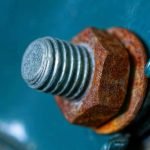
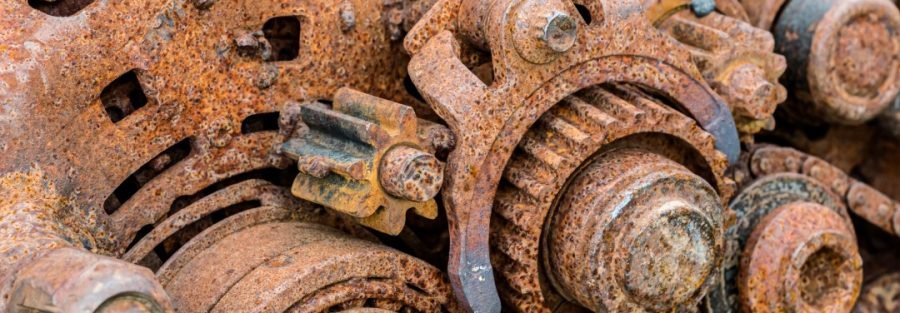
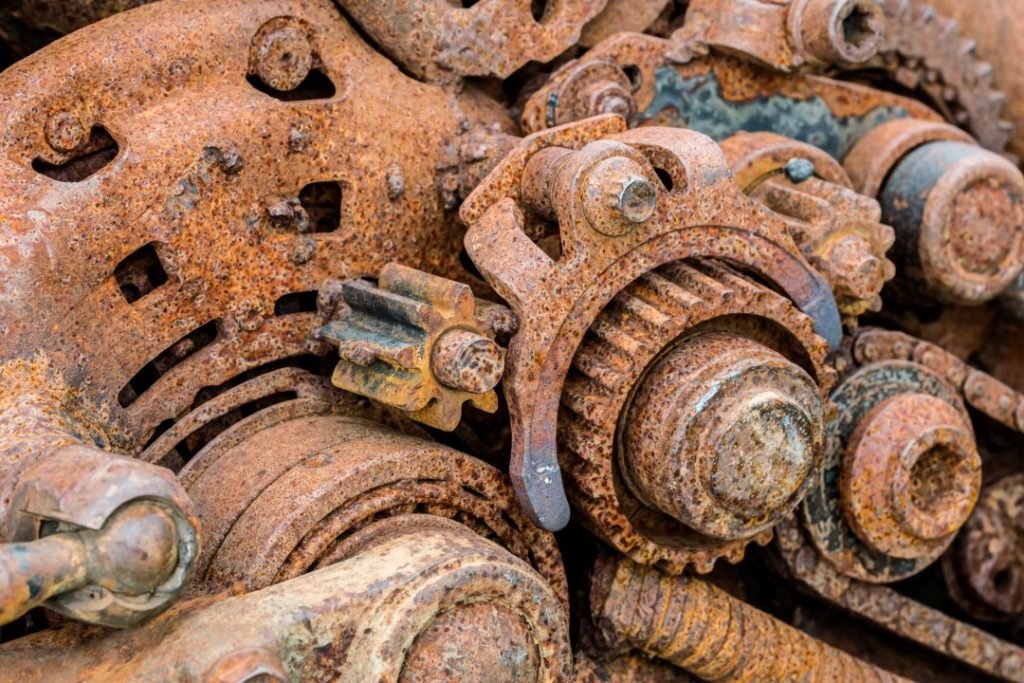
- Rust Buildup: Over time, rust can form on critical components such as electrical contacts, gears, and pipes, making them difficult or impossible to use effectively.
- Temperature Fluctuations
Temperature changes within a warehouse – whether due to seasonal shifts or poor climate control – can cause metal to expand and contract. This continuous cycle weakens the metal over time and accelerates the corrosion process.
- Condensation: Temperature fluctuations can lead to condensation inside sealed containers or on the surface of equipment, which in turn accelerates rust formation and corrosion.
- Stress on Materials: Extreme temperatures can cause materials to crack or warp, exposing them to further environmental degradation.
- Exposure to Chemicals and Contaminants
Warehouses often store spare equipment that may come into contact with chemicals, oils, or other contaminants, either through spills or airborne particles. These substances can accelerate the rate of corrosion by reacting with the metal surfaces.
- Chemical Reactions: Certain chemicals, such as acids, salts, and cleaning agents, can speed up the oxidation process, leading to pitting, rusting, or even complete degradation of equipment.
- Contaminant Buildup: Dust, oils, or even acidic vapors in the air can settle on equipment, creating an environment where corrosion thrives.
- Poor Ventilation
Warehouses with poor air circulation are more likely to experience stagnant air, which can trap moisture and contaminants around equipment. Without proper airflow, moisture accumulates on the surface of stored parts, creating a breeding ground for corrosion.
- Trapped Moisture: In poorly ventilated areas, condensation and moisture buildup can lead to localized corrosion on metal components.
- Reduced Longevity: The lack of airflow also means that any corrosion that begins has less chance of drying out or dissipating, allowing it to worsen quickly.
- Lack of Proper Packaging and Storage Conditions
Storing spare equipment improperly can also contribute to corrosion. If parts are not packaged in protective materials or stored in a climate-controlled environment, they become more vulnerable to environmental elements like humidity, dirt, and temperature changes.
- Direct Exposure: Storing equipment without protective covers or in environments with fluctuating temperature and humidity puts parts at direct risk of corrosion.
- Improper Sealing: Parts that aren’t sealed properly, especially those that are sensitive to moisture or dust, can corrode quickly once exposed to environmental factors.
The Cost of Corrosion in Spare Equipment
Corrosion in spare equipment stored in warehouses can have a range of negative consequences for businesses, including:
- Increased Maintenance Costs
Corroded equipment often requires extensive cleaning, repairs, or even complete replacement. These costs can add up quickly, especially if the spare parts were meant to minimize downtime during an emergency.
- Unexpected Replacements: Spare parts that are found to be corroded or damaged may need to be replaced at a higher cost than anticipated.
- Labor Costs: Significant amounts of time and labor may be required to inspect, clean, and repair corroded equipment, leading to increased operational costs.
- Unplanned Downtime
When critical equipment is found to be corroded and unusable, the result is unplanned downtime. This not only affects production schedules but may also delay important maintenance or operational activities, leading to financial losses.
- Delays in Operations: If spare equipment is required to repair malfunctioning machinery and is found to be corroded, operations could be halted until replacement parts are procured or repairs are made.
- Emergency Costs: In extreme cases, the failure of spare parts can result in expensive emergency repairs or expedited shipments of replacement parts.
- Safety Hazards
Corroded spare equipment can create serious safety hazards when it’s put into use. Parts that are weakened by corrosion may fail unexpectedly, potentially causing accidents or even injuries.
- Structural Failures: Weakened structural components due to corrosion can cause equipment to break down or collapse, posing a risk to workers and machinery.
- Electrical Hazards: Corroded electrical components can lead to short circuits, fires, or other electrical failures, which create significant safety risks.
- Loss of Productivity
The inability to use spare equipment because of corrosion reduces a facility’s ability to respond to breakdowns or maintenance needs promptly. This loss of readiness can significantly impact overall productivity.
- Reduced Operational Efficiency: If spare parts cannot be used as intended, the time required to replace or repair equipment increases, causing delays in meeting production targets.
- Logistical Delays: Procuring replacement parts or repairing damaged spare equipment often takes time, reducing the availability of resources for ongoing operations.
How Can Prevent Corrosion in Spare Equipment
- Corrosion-Resistant Coatings
CorroSafe offers specialized coatings that can be applied to spare equipment to prevent corrosion from environmental exposure. These coatings provide a durable, long-lasting barrier against moisture, chemicals, and temperature fluctuations.
- Protective Layer: Our coatings create a barrier that prevents corrosion, ensuring your spare parts remain in top condition until they are needed.
- Customized Solutions: We tailor our coatings to your specific needs, whether your equipment is sensitive to humidity, chemical exposure, or extreme temperatures.
- Climate Control Systems
To prevent corrosion in warehouses, CorroSafe can help implement climate control systems that regulate temperature and humidity levels. Keeping the storage environment stable minimizes the risk of corrosion and damage to spare equipment.
- Temperature and Humidity Control: Maintaining a constant temperature and humidity level is key to preventing the environmental conditions that promote corrosion.
- Enhanced Airflow: We also ensure that the warehouse is properly ventilated to promote airflow, which reduces the chance of moisture buildup and stagnant air around stored parts.
- Packaging and Storage Solutions
Proper packaging and storage conditions are critical to keeping spare equipment safe from environmental harm. CorroSafe provides packaging solutions that protect parts from dust, moisture, and other contaminants during storage.
- Sealed Storage: We recommend packaging options that seal spare parts tightly, protecting them from exposure to moisture and air.
- Custom Storage Solutions: Whether in metal cabinets, sealed plastic containers, or specialized storage racks, we help design the ideal storage conditions for your spare equipment.
- Regular Inspections and Maintenance
CorroSafe offers regular inspection and maintenance services to ensure your spare equipment remains corrosion-free. We inspect and clean the equipment periodically, identifying early signs of corrosion before they become a bigger problem.
- Routine Monitoring: Our team conducts routine checks to identify early corrosion, ensuring timely intervention and preventing major issues.
- Preventive Measures: We develop customized maintenance plans that ensure the longevity of spare parts and prevent corrosion from compromising them.
Conclusion
Corrosion is an insidious threat that can silently deteriorate spare equipment stored in warehouses. From humidity and temperature fluctuations to poor packaging and ventilation, environmental factors can quickly compromise the integrity of essential spare parts, leading to increased costs, downtime, and safety risks. However, with the right preventive measures, such as corrosion-resistant coatings, climate control systems, and proper storage solutions, you can protect your valuable assets.
“CorroSafe” offers comprehensive solutions to safeguard spare equipment from corrosion and ensure that your parts remain in optimal condition, ready for use when needed. Don’t let corrosion undermine your operations – take action today with CorroSafe’s corrosion management solutions.