In industrial environments where chemical processes are involved, maintaining the integrity of equipment and structures is crucial for safety, efficiency, and operational continuity. One particularly challenging issue arises when a mix of sulfur dioxide (SO₂) and chlorine (Cl) leaks from spray headers, a common phenomenon in certain chemical processing facilities. This toxic combination can cause severe damage not only to the immediate equipment but also to the supporting structures around it.
In this blog, we will explore the causes of this problem, the impact of the leak, and solutions for managing and mitigating the issue.
Understanding the SO₂ and Chlorine Mix
Sulfur dioxide (SO₂) is a colorless, toxic gas commonly used in industrial processes such as sulfuric acid production, petroleum refining, and in various applications within the chemical and pharmaceutical industries. Chlorine (Cl), also a highly reactive and toxic gas, is used extensively in water treatment, chemical manufacturing, and as a disinfectant.
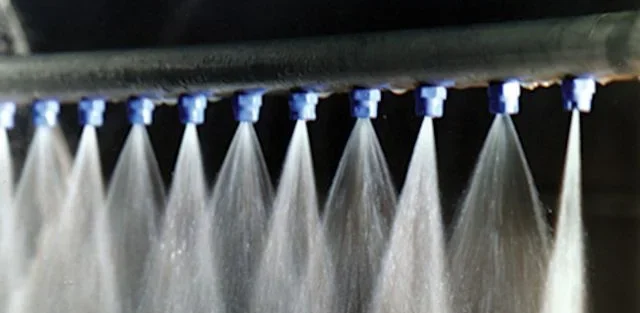
In some industrial applications, SO₂ and chlorine are used together in chemical reactions or treatments, often via spray headers that distribute these chemicals in the form of droplets. Spray headers are typically designed to ensure precise distribution of chemicals, but when a mix of SO₂ and chlorine leaks from these systems, it can lead to serious consequences.
Causes of SO₂ and Chlorine Leaks from Spray Headers
Several factors can contribute to leaks of SO₂ and chlorine from spray headers, including:
- Equipment Failure: Over time, spray headers, pipes, and valves used in handling SO₂ and chlorine can corrode, crack, or develop weak points. Corrosion from prolonged exposure to these reactive gases and chemicals can weaken the structural integrity of the system, leading to leaks. Inadequate maintenance or delayed inspections can exacerbate this issue.
- Improper Sealing: Leaks may also result from poor sealing of spray header components. If seals or gaskets are improperly installed or worn out, the pressure within the system can force chemicals to escape. This can occur during normal operation, especially if pressure levels fluctuate or if there is a buildup of chemical residue over time.
- Clogged or Blocked Nozzles: If the spray nozzles or distribution channels become clogged with debris or solidified chemical buildup, it can cause an uneven flow of the SO₂ and chlorine mixture. This can lead to pressure build-up in certain areas of the system, increasing the risk of leaks at weak points or seams in the spray header structure.
- Chemical Reactions and Byproducts: Chemical reactions between SO₂ and chlorine in the spray header can sometimes result in unexpected byproducts that contribute to the degradation of equipment. For instance, when chlorine reacts with moisture or impurities, it can form hydrochloric acid (HCl), which further accelerates corrosion and leads to potential leaks.
- Design Flaws: In some cases, poorly designed spray header systems may lack the necessary pressure relief mechanisms, or they may not be constructed from materials resistant to the corrosive nature of the chemicals involved. Such design flaws can make the system more prone to failure under normal operating conditions.
Impact on Supporting Structures
When SO₂ and chlorine leaks from spray headers, the consequences are far-reaching, particularly when it comes to the supporting structures and surrounding infrastructure. The combination of these two chemicals creates a highly corrosive environment that can significantly damage steel, concrete, and other materials commonly used in industrial settings.
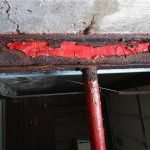
- Corrosion of Steel Supports: Steel and other metals are highly susceptible to corrosion when exposed to SO₂ and chlorine. The chemicals can cause pitting, rusting, and general weakening of structural components such as beams, columns, and frames. Over time, this leads to a reduction in the strength of the support structures, increasing the risk of collapse or failure, especially under load.
- Concrete Degradation: The mixture of SO₂ and chlorine can also react with concrete, especially in areas where leaks are persistent. This can lead to the formation of sulfuric acid and hydrochloric acid, both of which attack the calcium compounds in concrete, weakening the material and increasing the likelihood of structural failure. This not only compromises the plant’s safety but also incurs high repair or replacement costs.
- Environmental Contamination: In addition to structural damage, the leakage of SO₂ and chlorine can lead to contamination of the surrounding environment. The toxic gases may escape into the air or, in severe cases, into the nearby water systems, posing health risks to workers and nearby communities. The resulting environmental damage could lead to fines, regulatory scrutiny, and long-term damage to the company’s reputation.
- Increased Downtime and Maintenance Costs: Leaking SO₂ and chlorine mix can cause significant downtime as the equipment and supporting structures must be inspected, repaired, or replaced. The resulting maintenance costs can add up quickly, impacting the overall profitability of the operation. If left unchecked, the damage can extend to other systems within the plant, causing cascading failures and further delays.
Solutions for Managing SO₂ and Chlorine Leaks
Addressing SO₂ and chlorine leaks from spray headers and mitigating their impact on supporting structures requires a combination of preventive measures, real-time monitoring, and proactive maintenance.
- Regular Inspections and Maintenance: Routine inspections of the spray header system, pipes, valves, and supporting structures are essential for identifying wear and tear before they lead to leaks. Corrosion protection measures, such as applying protective coatings to metal components and regular cleaning of nozzles, can help extend the lifespan of the equipment.
- Upgrading Materials and Design: Using materials that are resistant to the corrosive effects of SO₂ and chlorine—such as stainless steel, titanium, or specialized alloys—can significantly reduce the likelihood of leaks. Additionally, designing spray header systems with built-in pressure relief valves and ensuring that all components are properly sealed will help prevent accidents.
- Installation of Leak Detection Systems: Installing leak detection sensors along critical points of the spray header and supporting structures can help identify leaks as soon as they occur. Real-time monitoring systems provide immediate alerts, enabling plant operators to take corrective actions before the leaks escalate and cause further damage.
- Environmental Controls: Implementing environmental controls, such as air scrubbers or neutralizing systems, can help mitigate the toxic effects of any leaked gases. These systems can capture harmful chemicals before they escape into the environment, reducing health risks and preventing contamination.
- Training and Awareness: Providing regular training for plant personnel on the risks associated with SO₂ and chlorine leaks and teaching proper handling procedures can reduce the likelihood of accidents. Employees should be aware of the signs of leaks, how to safely respond, and how to maintain equipment properly to avoid leaks in the first place.
Conclusion
Leaks of SO₂ and chlorine from spray headers pose a serious threat to the safety and integrity of both the equipment and supporting structures in a chemical processing facility. The corrosive nature of these chemicals can cause extensive damage, resulting in costly repairs, downtime, and environmental risks. However, with proper maintenance, proactive corrosion control measures, real-time leak detection systems, and regular employee training, plant managers can effectively manage and mitigate the impact of these leaks. By addressing the issue early, facilities can ensure operational efficiency, safeguard workers, and protect the environment from the harmful effects of these toxic chemicals.By partnering with “CorroSafe”, you gain access to a complete corrosion management solution that ensures your plant operates safely, efficiently, and cost-effectively. Don’t wait for corrosion to cause irreparable damage – take action today with CorroSafe’s proven solutions.