Corrosion is a common challenge in many industrial settings, especially in facilities that deal with harsh chemicals, extreme temperatures, and moisture. A prime example of this is the salt washer plant, a critical part of many manufacturing and processing operations. Salt, when combined with water and other chemicals, can be highly corrosive, posing a significant risk to the plant’s infrastructure, equipment, and overall operational efficiency.
In this blog, we’ll explore the causes behind extreme corrosion observed in salt washer plants, the impact it can have on the facility, and the solutions available to mitigate these issues.
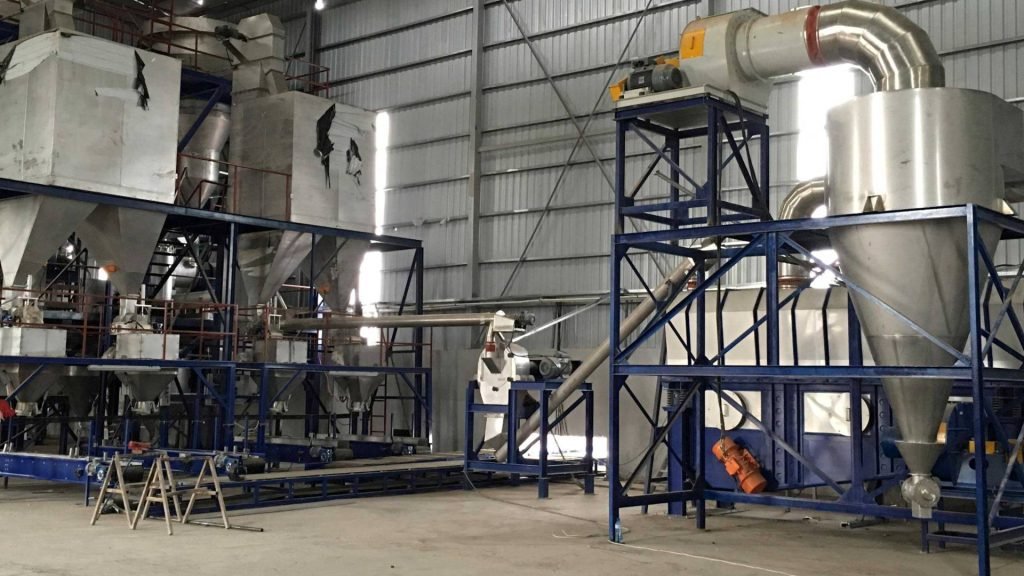
What is a Salt Washer Plant?
A salt washer plant is typically used in industries such as chemical processing, food production, and salt mining to clean and wash raw salt. The process involves dissolving raw salt in water, followed by filtration or washing to remove impurities. Given the nature of the chemicals involved and the high moisture levels in such plants, the risk of corrosion is significantly elevated, making effective corrosion management crucial.
Causes of Extreme Corrosion in Salt Washer Plants
Several factors contribute to the extreme corrosion observed in salt washer plants. These include:
- High Salt Concentration: Salt itself is highly corrosive, especially in concentrated forms. When saltwater is used in the washing and cleaning processes, it creates a harsh environment that accelerates corrosion. The chloride ions in salt are particularly aggressive, as they break down protective layers on metal surfaces, leading to pitting and rust formation.
- Constant Moisture Exposure: The continuous presence of water in a salt washer plant creates a perfect breeding ground for corrosion. Metals exposed to both water and oxygen form a corrosive environment that accelerates rusting and deterioration. This is especially true in areas where water accumulates, such as pumps, pipes, and filtration systems, which are constantly exposed to moisture.
- Temperature Extremes: Salt washing processes often involve high-temperature environments, which can exacerbate corrosion. The combination of heat and moisture accelerates the breakdown of metals, causing them to corrode more quickly. In some plants, temperature fluctuations may also result in condensation on metal surfaces, further contributing to corrosion.
- Aggressive Chemical Interactions: In addition to salt, many salt washer plants use chemical additives to improve washing efficiency. These chemicals can be highly reactive and may further degrade protective coatings on metal surfaces. For example, strong acids or bases used in cleaning processes can react with metals, leading to corrosion. Even mild chemicals can contribute to corrosion if the plant’s maintenance practices are insufficient.
- Lack of Maintenance and Inspection: In many salt washer plants, corrosion may go unnoticed until it reaches an advanced stage. This is often due to insufficient maintenance practices or lack of regular inspection. Over time, unchecked corrosion can cause serious damage to equipment and infrastructure, leading to operational shutdowns and expensive repairs.
Impact of Extreme Corrosion on Salt Washer Plants
The consequences of extreme corrosion in salt washer plants can be far-reaching, affecting both the plant’s operations and bottom line:
- Reduced Equipment Lifespan: Corrosion can significantly shorten the lifespan of equipment, especially metal components such as pumps, tanks, pipelines, and machinery. Parts that are subjected to constant exposure to corrosive elements may require frequent repairs or replacements, leading to increased operational costs.
- Operational Downtime: As corrosion damages critical equipment, plants may experience unscheduled shutdowns for repairs. This can result in significant downtime, halting production and delaying operations. Downtime not only disrupts production schedules but also affects revenue and customer satisfaction.
- Safety Hazards: Corroded equipment can create safety hazards. For example, weakened pipes or tanks may leak hazardous substances, posing a risk to workers and the environment. In severe cases, corrosion can lead to catastrophic failures, such as explosions or fires, depending on the materials involved.
- Increased Maintenance Costs: Corrosion requires constant monitoring and maintenance, which can increase the overall operational costs of a salt washer plant. Repairing and replacing corroded parts, cleaning corrosion byproducts, and addressing leaks or damages require significant investment in both labor and materials.
- Environmental Impact: In extreme cases, corrosion can result in leakage of saltwater or chemicals into the environment, causing pollution. The harmful effects on nearby ecosystems, especially if salt or other chemicals enter water sources, can lead to regulatory fines and damage to the company’s reputation.
Solutions for Managing Corrosion in Salt Washer Plants
Given the severe impact corrosion can have on salt washer plants, it’s critical to implement effective corrosion control measures. Here are some strategies to combat corrosion in these plants:
- Use of Corrosion-Resistant Materials: One of the most effective ways to combat corrosion is by using corrosion-resistant materials. For example, stainless steel, titanium, and various alloys can withstand saltwater and chemical exposure much better than regular steel or other metals. Selecting materials that are specifically designed to resist corrosion can significantly extend the lifespan of equipment and infrastructure.
- Protective Coatings and Linings: Applying protective coatings to metal surfaces can create a barrier that prevents direct contact with corrosive substances. Epoxy coatings, anti-corrosion paints, and galvanizing can all help reduce the risk of corrosion. Additionally, linings for tanks and pipes can help isolate them from harsh chemicals and moisture, reducing the chances of corrosion-related damage.
- Regular Maintenance and Inspection: Routine inspection and maintenance are crucial for detecting and addressing early signs of corrosion before they lead to significant damage. Establishing a regular schedule for cleaning, inspecting, and repairing equipment can help identify areas of concern and prevent corrosion from progressing unchecked.
- Corrosion Inhibitors: The use of corrosion inhibitors can help reduce the impact of corrosive substances. These chemicals are added to the washing process to slow down the rate of corrosion on exposed metal surfaces. While inhibitors may not eliminate corrosion entirely, they can significantly extend the life of equipment and reduce maintenance costs.
- Environmental Control: Controlling the plant’s environment can help mitigate the factors that contribute to corrosion. For instance, managing humidity levels, controlling water exposure, and maintaining stable temperatures can reduce condensation and moisture buildup, which are primary contributors to corrosion.
- Employee Training: Training staff to identify signs of corrosion and implement best practices for plant maintenance is essential. Proper handling of materials, understanding the risks associated with salt and water exposure, and taking proactive steps in equipment maintenance can make a significant difference in preventing extreme corrosion.
Conclusion
Extreme corrosion in a salt washer plant can have devastating effects on equipment, operations, and profitability. It’s crucial for plant managers to understand the causes of corrosion, its potential impact, and how to implement effective strategies for managing and mitigating these issues. By using corrosion-resistant materials, applying protective coatings, implementing regular maintenance, and adopting corrosion inhibitors, businesses can protect their assets, improve safety, and ensure long-term operational efficiency.
Corrosion is an inevitable challenge for salt washer plants, but with the right strategies and solutions, it can be effectively managed and mitigated. “CorroSafe” offers a comprehensive approach to corrosion control, from advanced coatings and inhibitors to real-time monitoring and preventive maintenance. By addressing corrosion proactively, salt washer plants can ensure smoother operations, longer equipment lifespans, and significant cost savings, all while maintaining a safer and more sustainable working environment.