Paint is a crucial element in maintaining the integrity and aesthetic appeal of industrial plants. It serves as a protective barrier against environmental factors such as moisture, chemicals, and UV radiation. However, over time, exposure to harsh conditions can cause the paint to fade, crack, or peel, reducing its protective function and necessitating costly repairs or reapplications.
In this blog, we’ll explore the common causes of paint fading on plant structures, its potential impacts, and strategies for extending the life of your plant’s paint job.
Why Does Plant Structure Paint Fade?
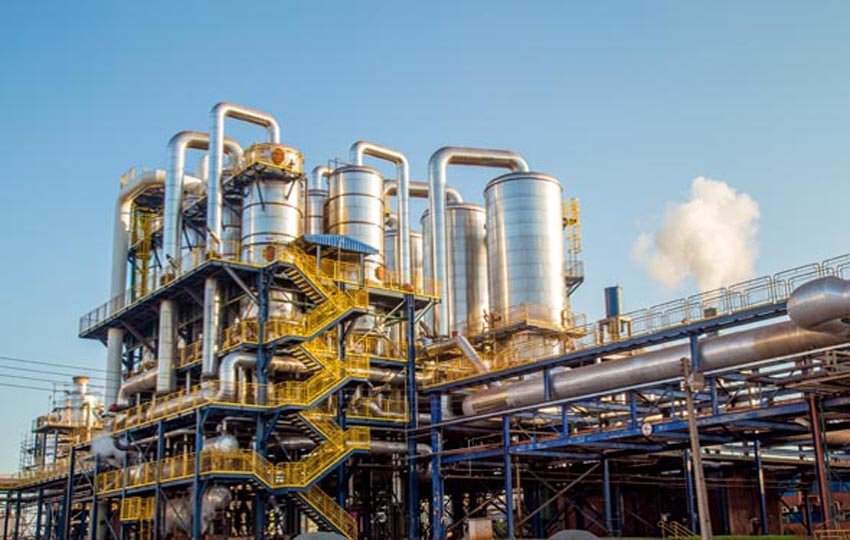
Understanding why paint fades on industrial structures is essential for choosing the right maintenance strategies and ensuring the longevity of the paint job. There are several primary factors that contribute to paint fading on plant structures:
- UV Exposure
Ultraviolet (UV) rays from the sun are one of the leading causes of paint fading. Over time, UV radiation breaks down the chemical bonds in the paint, causing the pigments to lose their colour and reducing the paint’s ability to protect the surface beneath. This is especially evident in outdoor plant structures that are exposed to direct sunlight throughout the day.
- Weathering
Weathering refers to the natural wear and tear that occurs when plant structures are exposed to environmental elements. Rain, snow, wind, and humidity can all have detrimental effects on paint. Moisture can penetrate the paint, leading to bubbling, blistering, or peeling, which compromises the protective layer.
- Chemical Exposure
Industrial plants often deal with chemicals, solvents, acids, and alkalis in the air. These substances can degrade the paint over time, leading to fading, discoloration, or corrosion. Even airborne pollutants can slowly break down the chemical structure of the paint, making it less effective at preventing rust or other types of damage.
Extreme temperature fluctuations can cause the materials of the plant structure to expand and contract, putting stress on the paint. Over time, this stress can lead to cracking or chipping of the paint, allowing environmental factors like moisture and UV rays to accelerate the fading process.
- Abrasion and Mechanical Wear
Industrial environments are prone to physical wear, such as machinery vibration, moving equipment, or heavy traffic around structural components. Abrasions can cause paint to wear away, exposing the underlying material to the elements, which results in fading and corrosion over time.
The Impacts of Paint Fading on Plant Structures
While paint fading may seem like an aesthetic concern, it can have far-reaching consequences for the plant’s overall integrity and safety. Here are some of the key impacts:
- Reduced Protection Against Corrosion
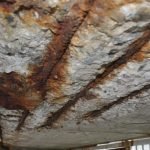
The primary function of paint on plant structures is to act as a protective layer against rust and corrosion. When the paint fades or peels away, the underlying metal or concrete is exposed to moisture, chemicals, and oxygen, which can cause rust to form. This not only damages the structure but can also lead to costly repairs or even structural failure in severe cases.
- Decreased Aesthetic Appeal
A faded paint job can detract from the overall appearance of the plant, making it look older or poorly maintained. This can negatively affect perceptions of the company’s professionalism, especially in plants that deal with clients or the public. Regular maintenance of the paint ensures that the facility looks well-kept and reliable.
- Increased Maintenance Costs
Once paint begins to fade or peel, it typically requires reapplication to restore its protective qualities. Depending on the extent of the fading, you may need to remove the old paint, clean the surface, and apply new coatings, which can be time-consuming and costly. Frequent repaints also add to the long-term maintenance costs of the facility.
- Safety Risks
In some cases, fading paint can expose structural components to further damage, weakening the integrity of the plant. For example, if the faded paint is protecting critical steel beams, the lack of protection could lead to rust formation, which may compromise the structure’s strength and safety.
Solutions to Combat Paint Fading on Plant Structures
To prevent or mitigate the impact of paint fading, industrial plant owners and managers can adopt several strategies to extend the life of their paint job and maintain the structure’s appearance and safety.
- Choose the Right Paint System
Selecting the appropriate type of paint is one of the most important decisions in preventing fading. Here are a few key options:
- Epoxy Paints: These offer excellent durability, resistance to chemicals, and long-lasting protection against UV rays. Epoxy coatings are ideal for harsh industrial environments where fading and corrosion are a concern.
- Polyurethane Coatings: Known for their excellent colour retention and UV resistance, polyurethane coatings are often used for outdoor structures exposed to direct sunlight. They provide both aesthetic appeal and durability.
- Acrylic Paints: Acrylic-based paints provide good resistance to UV radiation and weathering. They are widely used in industrial applications due to their ability to maintain colour and protect surfaces.
- Apply Multiple Layers
A single coat of paint may not offer sufficient protection, especially in harsh environments. Applying multiple layers of paint, including a primer, base coat, and finish coat, can improve the paint’s ability to resist fading and weathering.
- Primer: The primer provides a bonding layer between the surface and the paint, improving adhesion and corrosion resistance.
- Base Coat: The base coat helps enhance the colour and texture of the paint and contributes to UV protection.
- Top Coat: The top coat adds an extra layer of durability and protection against chemicals, moisture, and UV rays.
- Regular Maintenance and Inspections
Routine inspections and maintenance are essential for identifying early signs of fading or damage to the paint. Catching issues before they worsen can save on repair costs and prevent the underlying structure from being exposed to harmful elements.
- Touch-Up Painting: For minor fading or chipping, periodic touch-ups can help restore the protective layer without the need for a full repaint.
- Pressure Washing: Over time, dirt, grime, and pollutants can accumulate on the surface, contributing to fading. Regularly washing the structure with a pressure washer helps maintain the appearance of the paint and ensures that contaminants do not wear down the coating.
- Use Protective Coatings
In addition to paint, applying protective coatings such as corrosion inhibitors or UV-blocking sealants can enhance the durability of the paint job and prevent fading. These coatings can be applied to high-risk areas where exposure to sunlight, moisture, or chemicals is most intense.
- Improve Environmental Conditions
If possible, address the environmental factors contributing to fading. Installing shades or barriers to protect surfaces from constant sunlight or reducing exposure to harsh chemicals in the air can help preserve the paint for longer periods.
Conclusion
Paint fading on plant structures is a common issue, but with the right approach, its impact can be minimised. Understanding the causes of fading, such as UV exposure, weathering, and chemical exposure, allows plant owners to make informed decisions about paint selection and maintenance. By choosing high-quality paint systems, applying multiple layers, and committing to regular inspections, plant structures can retain their protective function and aesthetic appeal for years to come.
Investing in durable paint systems and proactive maintenance not only ensures the safety and longevity of the plant but also helps avoid costly repairs and downtime. With the right care, your plant’s structure can remain a reliable and visually appealing asset for the long term.
One effective solution for tackling this issue is “CorroSafe”, an advanced corrosion protection system that can significantly extend the life of the paint on your plant’s structure.