Corrosion is one of the most significant threats to the longevity and integrity of structural foundations. When aggressive corrosion occurs on the main column in the foundation of a building, it poses severe risks to the overall stability and safety of the structure. The effects of such corrosion can be catastrophic, leading to costly repairs, and in some cases, structural failure. In this blog, we’ll explore what aggressive corrosion is, the factors that contribute to it, its impact on foundation columns, and the measures that can be taken to prevent or address this issue.
What is Aggressive Corrosion?
Corrosion refers to the gradual deterioration of materials, typically metals, due to chemical reactions with their environment. In the context of construction, corrosion most commonly affects reinforced concrete, which consists of steel reinforcement bars embedded in concrete. Aggressive corrosion occurs when these materials are exposed to harsh environmental conditions, causing the corrosion process to accelerate, often to the point where it severely compromises the strength and durability of the structure.
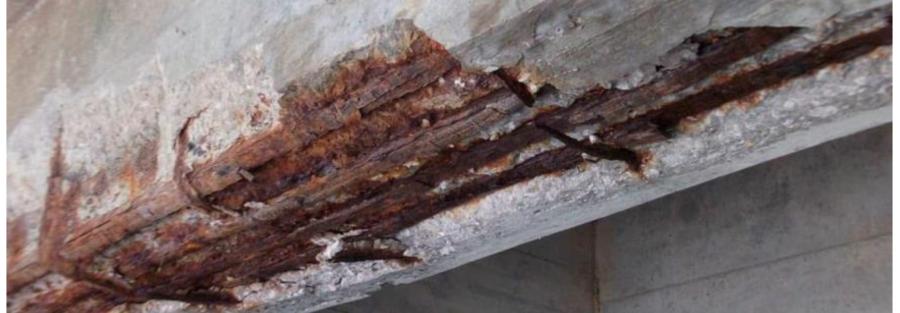
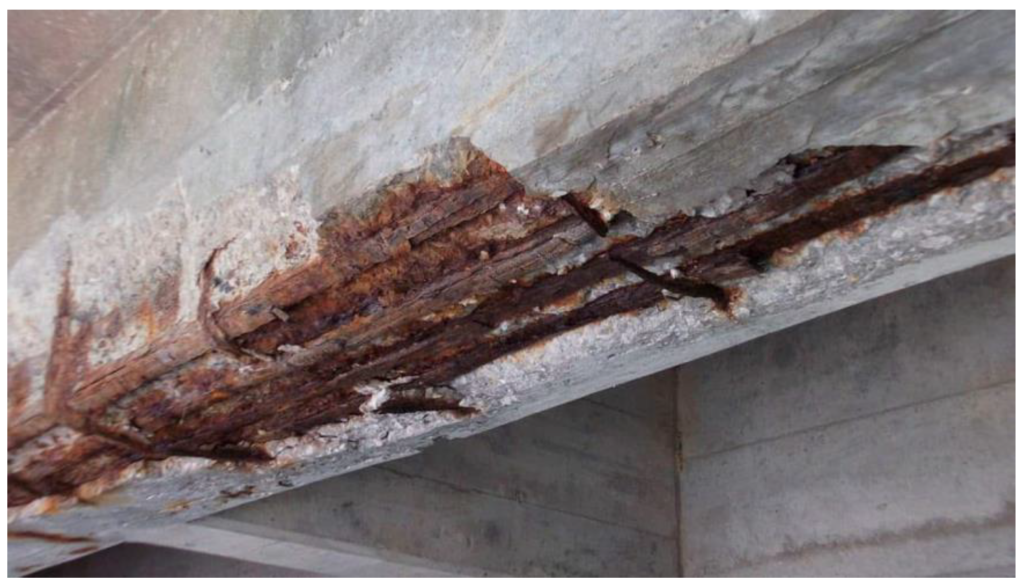
Aggressive corrosion in the main column of a foundation can cause the reinforcing steel to corrode rapidly, leading to concrete cracking, spalling, and loss of load-bearing capacity. This type of corrosion is particularly dangerous because it is often not visible until it has already caused substantial damage.
Causes of Aggressive Corrosion on Main Foundation Columns
Several factors contribute to aggressive corrosion in foundation columns, many of which are environmental or due to poor construction practices:
- Water and Moisture Infiltration: Water is a primary catalyst for corrosion. When moisture enters the concrete, it can reach the reinforcing steel and create an environment conducive to the formation of rust. In coastal areas, where saltwater is present, the corrosion process is exacerbated by chloride ions, which can penetrate the concrete and attack the steel reinforcement.
- High Levels of Chlorides: Chlorides, often from seawater or deicing salts, can aggressively penetrate concrete and cause the steel reinforcements to corrode. These salts lower the pH of the concrete, which typically protects the steel, leading to accelerated rusting and expansion within the columns.
- Carbonation of Concrete: Carbon dioxide from the atmosphere can react with calcium hydroxide in the concrete, forming calcium carbonate. This process reduces the pH of the concrete, making it less alkaline. As the pH decreases, the protective oxide layer around the reinforcing steel weakens, leading to rust formation and corrosion.
- Poor Construction Practices: Inadequate compaction of concrete or improper mix ratios can result in porous concrete, which allows water and other corrosive agents to reach the reinforcement more easily. Furthermore, insufficient cover over the reinforcing bars can lead to early exposure to moisture, further promoting corrosion.
- Soil Conditions: Foundation columns that are in direct contact with aggressive soil types, such as acidic or sulphate-rich soils, are more prone to corrosion. These soils can leach harmful substances into the concrete, accelerating corrosion.
Effects of Aggressive Corrosion on Foundation Columns
The consequences of aggressive corrosion on the main column of a foundation can be severe and far-reaching:
- Structural Weakening: As the steel reinforcement corrodes, it expands, exerting pressure on the surrounding concrete. This can cause cracking, spalling, and delamination of the concrete surface. As the structural integrity of the foundation column weakens, the overall load-bearing capacity of the foundation is compromised, putting the entire building at risk.
- Uneven Settlement: Corrosion can lead to uneven settlement of the foundation. As the corrosion progresses, certain areas of the foundation column may deteriorate faster than others, leading to shifts in the alignment of the structure. This can cause doors and windows to stick, cracks in walls, and, in extreme cases, a shift in the overall stability of the building.
- Increased Maintenance Costs: Once aggressive corrosion is detected, remediation can be expensive and labour-intensive. The repair process typically involves removing and replacing damaged concrete, treating or replacing corroded steel reinforcement, and potentially addressing underlying issues like water leakage or poor drainage. These costs can add up quickly, especially if the damage is extensive.
- Safety Hazards: In extreme cases, if corrosion is not addressed in time, the structural failure of foundation columns can result in dangerous situations, including the collapse of the building. This not only poses risks to the occupants but also to the surrounding environment.
Prevention and Mitigation Strategies
Preventing and mitigating aggressive corrosion in foundation columns requires a proactive approach, starting with careful planning and construction:
- Proper Concrete Mix and Quality Control: Ensuring the use of high-quality concrete with the appropriate mix design is essential in preventing moisture penetration and chloride ingress. Concrete with a low permeability should be used in areas prone to corrosion, and the concrete should be properly compacted to avoid voids.
- Adequate Concrete Cover: Ensuring that the reinforcing steel is adequately covered by concrete is one of the most effective ways to prevent exposure to moisture and corrosive elements. The cover depth should be based on environmental conditions and the expected severity of corrosion.
- Waterproofing and Drainage Systems: Proper drainage around the foundation is crucial to preventing water from accumulating around the columns. Waterproof coatings or membranes can also be applied to the concrete to reduce water infiltration.
- Corrosion-Resistant Reinforcement: In highly corrosive environments, the use of corrosion-resistant materials such as epoxy-coated rebars, stainless steel reinforcement, or fiber-reinforced polymers can significantly reduce the risk of corrosion.
- Regular Inspections and Maintenance: Routine inspections of the foundation columns can help identify early signs of corrosion, such as surface cracking or rust stains. Early detection can prevent further damage and costly repairs. Maintenance procedures such as applying protective coatings or sealants may also extend the life of the foundation.
- Corrosion Inhibitors: Corrosion inhibitors can be added to the concrete mix or applied to the surface of existing structures. These chemicals work by slowing down the corrosion process, giving engineers more time to address any issues before they become critical.
Conclusion
Aggressive corrosion in the main column of a foundation can lead to significant structural issues if not addressed promptly. Understanding the causes and effects of corrosion, combined with the implementation of preventive measures, can significantly reduce the risks associated with this phenomenon. By investing in quality construction practices, regular inspections, and corrosion-resistant technologies, building owners and engineers can ensure the long-term stability and safety of their structures, protecting both their investments and the people who rely on them.
Let’s explore how “CorroSafe” can be an effective tool in preventing and mitigating the effects of aggressive corrosion on the main columns of foundations.