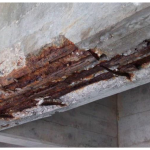
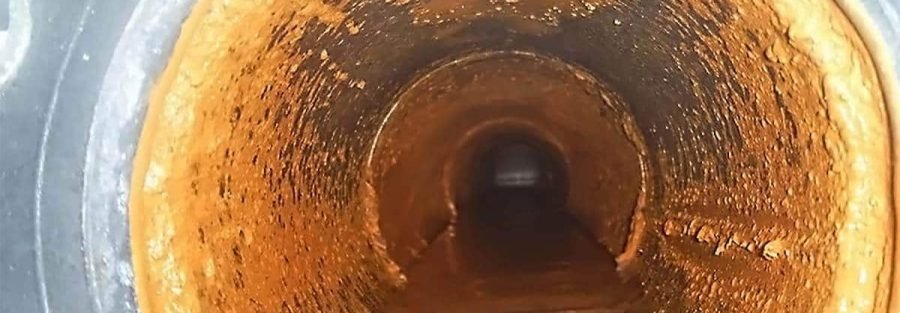
Cooling water lines are critical components in industries, ensuring optimal temperature regulation for equipment and processes. However, the integrity of these systems can be jeopardised by corrosion, particularly on supply and return lines. Heavy corrosion not only compromises system efficiency but can also lead to costly repairs, operational downtime, and environmental hazards.
This blog explores the causes, consequences, and solutions for managing heavy corrosion in cooling water pipelines.
Understanding Corrosion in Cooling Water Lines
Corrosion in cooling water lines occurs when metals react with water and dissolved oxygen, forming oxides or other compounds. The rate and severity of corrosion depend on several factors, including water chemistry, material type, and operating conditions.
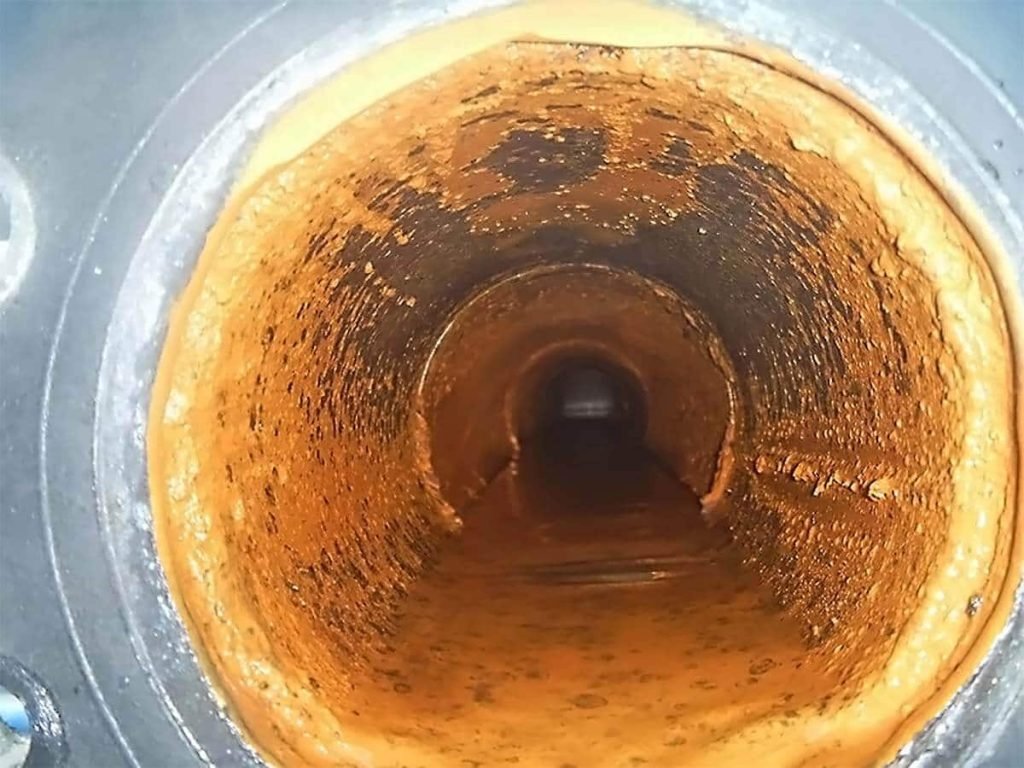
Common Causes of Heavy Corrosion
- Water Chemistry Imbalances
- High levels of dissolved oxygen, carbon dioxide, or chlorides accelerate corrosion.
- Poorly maintained pH levels, particularly acidic or highly alkaline conditions, contribute to metal degradation.
- Microbiologically Influenced Corrosion (MIC)
- Microorganisms such as sulphate-reducing bacteria (SRB) can create localised areas of corrosion.
- Scaling and Deposits
- Hard water scaling creates crevices that trap moisture and promote localised corrosion.
- Accumulated deposits can act as an insulating layer, causing under-deposit corrosion.
- Material Incompatibility
- Using materials not suited for the operating environment can increase susceptibility to corrosion.
- Galvanic corrosion occurs when dissimilar metals in contact with each other create an electrochemical reaction.
- Stagnation or Inadequate Flow
- Stagnant water or low flow velocities fail to remove deposits and oxygen, leading to concentrated corrosion.
- Improper Maintenance and Monitoring
- Inadequate water treatment or irregular inspections allow corrosive conditions to persist undetected.
Consequences of Heavy Corrosion
- Pipeline Failure
- Corrosion weakens the pipeline walls, leading to leaks or catastrophic ruptures.
- Operational Disruptions
- Leaks or failures in cooling water lines can cause equipment to overheat, forcing unplanned shutdowns.
- Increased Maintenance Costs
- Repairing or replacing corroded pipelines, combined with water treatment adjustments, adds to operational expenses.
- Environmental Risks
- Corrosion-induced leaks may release contaminated water into the environment, breaching regulatory compliance.
- Reduced Heat Transfer Efficiency
- Corroded surfaces and deposits lower heat exchange efficiency, increasing energy consumption.
Mitigation and Prevention Strategies
- Water Treatment Optimization
- Chemical Inhibitors: Use corrosion inhibitors such as phosphates, molybdates, or organic compounds to protect metal surfaces.
- pH Control: Maintain water pH within the recommended range (typically 7.0–9.0) to prevent aggressive conditions.
- Oxygen Removal: Employ deaerators or oxygen-scavenging chemicals to reduce dissolved oxygen levels.
- Material Selection
- Use corrosion-resistant materials such as stainless steel, PVC, or fibreglass-reinforced plastics (FRP) for pipelines.
- Apply protective coatings like epoxy or polymer linings to shield metal surfaces.
- Regular Maintenance and Monitoring
- Conduct routine inspections using non-destructive testing (NDT) methods like ultrasonic or radiographic testing.
- Monitor water quality parameters, including pH, conductivity, and dissolved oxygen, regularly.
- Microbial Control
- Add biocides to prevent the growth of microorganisms responsible for MIC.
- Regularly clean and flush pipelines to remove biofilms and deposits.
- Flow Management
- Ensure adequate flow velocity to prevent stagnation and minimise deposit formation.
- Design pipelines to avoid dead zones where water stagnates.
- Cathodic Protection
- Install cathodic protection systems, such as sacrificial anodes or impressed current systems, to counteract electrochemical reactions.
Conclusion
Heavy corrosion in cooling water supply and return lines is a complex issue that requires a proactive and multifaceted approach. By understanding the root causes and implementing effective prevention strategies, industries can safeguard their systems, reduce downtime, and optimise operational efficiency. Regular maintenance, advanced monitoring technologies, and proper material selection are key to minimising the impact of corrosion.
“CorroSafe”, a comprehensive corrosion management solution, provides the tools and expertise needed to tackle heavy corrosion efficiently and sustainably.