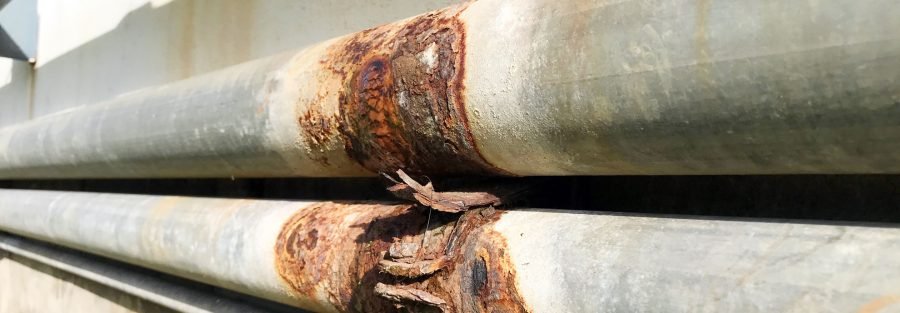
Pipe racks are essential components in industrial plants, serving as structural frameworks to support pipelines that transport fluids, gases, and other process materials. Despite their robust design, they are not immune to corrosion – a persistent challenge in industrial settings. Among the various types of corrosion, exfoliation corrosion is a less common but highly concerning issue observed in pipe racks, as it compromises structural integrity and operational safety.
What is Exfoliation Corrosion?
Exfoliation corrosion is a form of intergranular corrosion that occurs parallel to the surface of a metal. It is typically associated with materials like aluminium and steel alloys under specific conditions. The corrosion products (like oxides) build up between grain boundaries, causing layers of metal to separate and “exfoliate,” resembling the peeling of an onion.
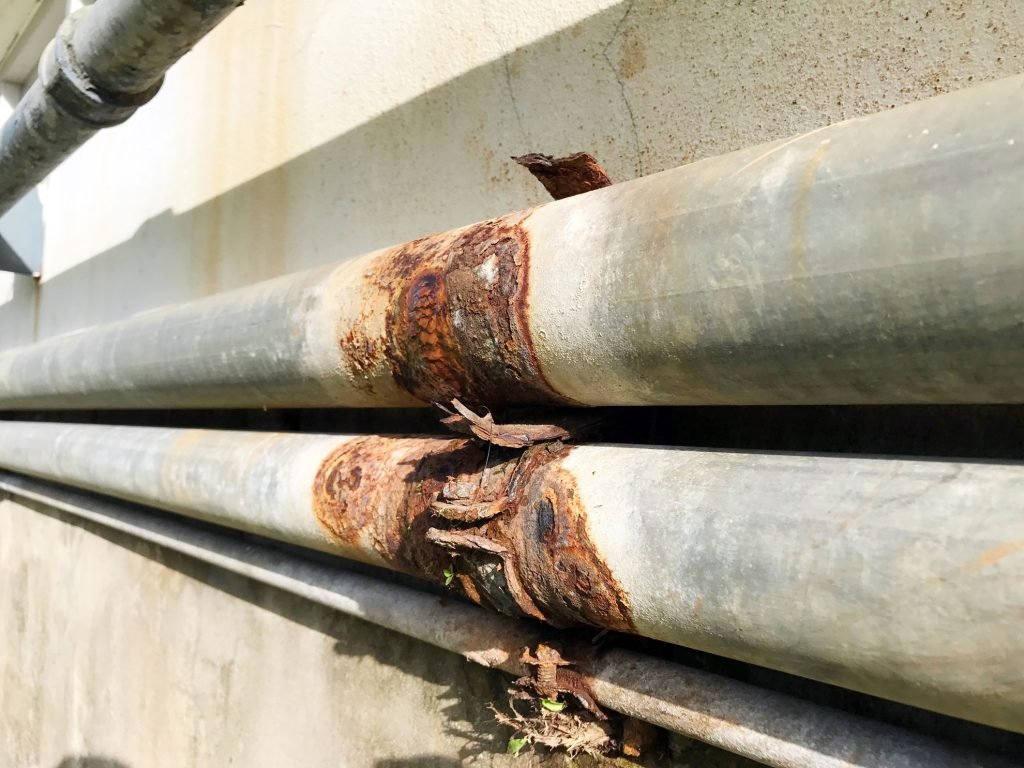
This type of corrosion is especially dangerous as it weakens the material internally while the surface damage might not appear severe initially.
Causes of Exfoliation Corrosion in Pipe Racks
- Environmental Factors
- High Humidity: Moisture accelerates the corrosion process, especially in coastal or industrial areas with high salt content.
- Pollutants: Sulphur dioxide (SO₂) and other corrosive gases from nearby processes exacerbate corrosion.
- Material Susceptibility
- Pipe racks made from certain alloys, particularly aged or improperly treated materials, are prone to exfoliation.
- Poor Coating or Protection
- Inadequate protective coatings or failure in regular maintenance allows corrosive agents to reach the metal surface.
- Mechanical Stresses
- Cyclical stresses, vibration, and heavy loads can expose grain boundaries, making the material more susceptible to exfoliation.
- Water Retention
- Design flaws that allow water pooling or capillary action can create localised areas of corrosion.
Consequences of Exfoliation Corrosion
- Structural Instability
- The weakening of the pipe rack structure can lead to potential failures, posing safety risks.
- Pipeline Damage
- Corroded racks can fail to support pipelines adequately, leading to misalignments or even ruptures.
- Increased Maintenance Costs
- Addressing exfoliation corrosion involves repairs, replacements, and possible downtime, leading to higher costs.
- Environmental Risks
- A failed pipe rack can cause leaks of hazardous materials, harming the environment and violating regulatory norms.
Detection and Assessment
- Visual Inspection
- Look for signs of delamination or flaking on the metal surface.
- Non-Destructive Testing (NDT)
- Techniques like ultrasonic thickness gauging, radiography, and eddy current testing can reveal internal damage.
- Chemical Analysis
- Determine the presence of corrosive agents, such as chlorides, in the environment.
- Corrosion Monitoring Systems
- Deploy sensors to continuously monitor the rate and extent of corrosion.
Mitigation Strategies
- Material Selection
- Use corrosion-resistant alloys or apply proper heat treatments to reduce susceptibility to exfoliation.
- Protective Coatings
- Apply high-quality anti-corrosion coatings, galvanization, or epoxy paints to prevent direct exposure to corrosive agents.
- Design Improvements
- Ensure proper drainage to avoid water pooling and eliminate areas where corrosive agents can accumulate.
- Regular Maintenance
- Perform frequent inspections and cleaning to remove debris, dirt, and corrosive deposits.
- Cathodic Protection
- Use sacrificial anodes or impressed current systems to protect the pipe racks from corrosion.
- Environmental Control
- Install barriers or enclosures to shield pipe racks from corrosive atmospheric conditions.
Conclusion
Exfoliation corrosion, though not as prevalent as other forms of corrosion, poses a unique challenge for pipe racks in industrial settings. Proactive detection, robust material choices, and regular maintenance are essential to mitigate its impact. By addressing this issue early and effectively, industries can ensure operational safety, reduce downtime, and extend the lifespan of their infrastructure.
Have you encountered exfoliation corrosion in your operations?
Share your insights and solutions in the comments – let’s learn from each other!