Stainless steel is widely used in industrial applications due to its impressive combination of corrosion resistance, strength, and durability. It is the material of choice for many vessels and tanks, particularly those in the chemical, pharmaceutical, and food processing industries. One common feature in these vessels is the limpet coil, a helical tube or coil used for heat exchange – typically for cooling or heating purposes.
While stainless steel is known for its general resistance to corrosion, it is not impervious to damage. One significant concern, especially in environments where chlorides are present, is the potential for chloride-induced corrosion, which can have a detrimental effect on the exterior of limpet coils in stainless steel vessels.
In this blog, we will explore the possibility of chloride effects on limpet coil exteriors, how these corrosive effects can manifest, and how to mitigate the risks of corrosion in stainless steel vessels.
What Are Limpet Coils and How Do They Work?
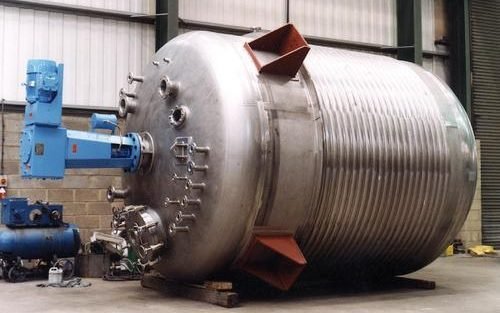
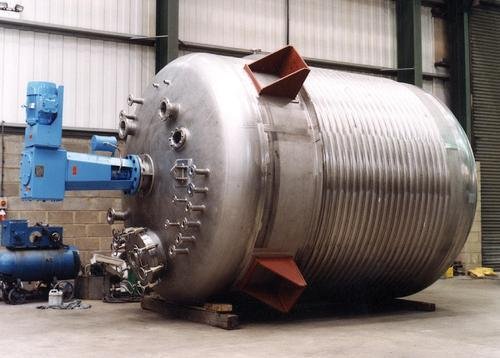
A limpet coil is a coil of pipe that is wrapped around the exterior of a vessel or tank. It is used to facilitate the transfer of heat to or from the contents of the vessel. The coil can be filled with hot or cold fluid, depending on the process, and provides efficient heat exchange through the vessel’s walls. Limpet coils are commonly found in reactors, storage tanks, and other processing equipment.
Because limpet coils are typically placed on the exterior of vessels, they are subject to a variety of environmental factors, including exposure to chemicals, moisture, and temperature fluctuations. While the interior of these coils is primarily exposed to process fluids, the exterior can be exposed to cleaning chemicals, condensation, and environmental contaminants. This is where the potential for chloride-induced corrosion comes into play.
Chloride Effects on Stainless Steel
Stainless steel, particularly grades like 304 and 316, is highly resistant to corrosion in many environments. However, this resistance can be compromised when the material is exposed to chlorides, which are found in common substances like saltwater, cleaning agents, and even in the atmosphere in coastal areas.
What Happens When Chlorides Affect Stainless Steel?
Chloride ions are highly reactive and can break down the protective oxide layer that typically prevents corrosion in stainless steel. This layer, known as the passive film, is made up of chromium oxide and protects the steel from rust and other forms of corrosion. When chlorides penetrate this passive film, they can cause a form of localised corrosion known as pitting or crevice corrosion.
- Pitting Corrosion: Pitting occurs when chloride ions break through the protective oxide layer, leading to the formation of small pits or holes on the metal surface. These pits can grow deeper over time, compromising the structural integrity of the stainless steel and making it more prone to leakage or failure.
- Crevice Corrosion: This type of corrosion occurs in areas where there is limited access to oxygen, such as under gaskets, seals, or in the crevices between the limpet coil and the vessel wall. Chloride ions can accumulate in these areas, leading to localised corrosion that is often difficult to detect until it becomes more severe.
- Stress Corrosion Cracking (SCC): In the presence of chlorides, stainless steel can also be susceptible to stress corrosion cracking, which occurs when a material is subjected to tensile stress and exposed to a corrosive environment, such as chloride ions. Over time, this can cause the steel to crack and fail.
Factors That Influence Chloride-Induced Corrosion in Limpet Coils
Several factors can influence the extent of chloride-induced corrosion on the exterior of limpet coils in stainless steel vessels:
- Chloride Concentration: The higher the concentration of chloride ions in the surrounding environment or in cleaning agents, the greater the risk of corrosion. Chlorides can be present in cleaning solutions, rinse waters, or even atmospheric moisture in coastal areas.
- Temperature: Elevated temperatures accelerate the rate of corrosion, especially in the presence of chlorides. When limpet coils are exposed to high temperatures, it increases the likelihood of the breakdown of the protective oxide layer and the onset of pitting or crevice corrosion.
- Humidity and Condensation: In humid environments, especially in outdoor installations or coastal areas, moisture can accumulate on the external surfaces of stainless steel vessels. The condensation of moisture containing chloride ions can create the perfect conditions for chloride-induced corrosion.
- Surface Condition: The presence of scratches, welds, or other defects on the surface of the stainless steel can create areas where chlorides can more easily penetrate the oxide layer. Improper surface finishing or poor welding practices can exacerbate the problem.
- Exposure to Cleaning Agents: Many industrial cleaning agents, such as caustics and acidic solutions, contain chlorides and can significantly increase the risk of corrosion if they come into contact with the exterior of limpet coils.
How Chloride Effects Can Manifest on Limpet Coil Exteriors
On the exterior of limpet coils, chloride-induced corrosion can lead to several noticeable problems:
- Visible Pitting or Holes: Over time, the formation of pits or small holes on the surface of the coil can compromise the metal. These pits often appear as tiny, dark spots on the stainless steel surface and may eventually penetrate deeper into the material if left unchecked.
- Discoloration and Staining: Corrosion from chlorides can lead to discoloration of the stainless steel surface. A reddish or bluish stain may develop around affected areas, indicating the onset of corrosion.
- Loss of Structural Integrity: As corrosion progresses, it can weaken the steel, making it less effective as a heat exchanger and potentially leading to structural failure. This is particularly concerning in applications where the limpet coil is responsible for maintaining temperature-sensitive processes.
- Leakage: In severe cases, the pitting and crevice corrosion caused by chloride exposure can lead to leakage through the limpet coil, which can result in process disruptions, contamination, or even failure of the entire vessel.
How to Mitigate the Risk of Chloride-Induced Corrosion on Limpet Coils
Preventing and mitigating chloride-induced corrosion in limpet coils requires a combination of proactive measures, proper material selection, and regular maintenance. Here are some strategies to help minimise the risk:
- Choose the Right Stainless Steel Grade
Not all grades of stainless steel are equally resistant to chloride-induced corrosion. For applications involving chlorides, it is important to select a grade that offers superior resistance to pitting and crevice corrosion. 316 stainless steel is a better option than 304 stainless steel for environments with chlorides, as it contains molybdenum, which significantly enhances its resistance to pitting and crevice corrosion.
- Apply Protective Coatings
One effective way to prevent chloride-induced corrosion is to apply a protective coating to the limpet coils. Epoxy-based coatings, polyurethane coatings, or fluoropolymer linings can create a barrier between the chloride-laden environment and the stainless steel, reducing the likelihood of corrosion. These coatings can also offer protection against other forms of degradation, such as mechanical wear.
Cathodic protection is a technique used to reduce the rate of corrosion by making the stainless steel surface the cathode in an electrochemical cell. This can be accomplished by attaching sacrificial anodes made of more electronegative metals to the vessel or limpet coil, which will corrode in place of the stainless steel.
- Regular Maintenance and Inspection
Routine inspections are essential to detect early signs of corrosion before they lead to more serious issues. Regularly cleaning the limpet coils, monitoring for signs of discoloration, and checking for pitting or other corrosion forms can help identify problems early. Additionally, proper maintenance of seals, gaskets, and joints can help prevent corrosion in crevice areas where chlorides tend to accumulate.
- Control Operating Conditions
Limiting exposure to extreme temperatures and controlling the environment around the limpet coils can also help reduce the risk of chloride-induced corrosion. If possible, reduce humidity or use dehumidifiers to prevent moisture accumulation on external surfaces. Avoid using overly concentrated chloride-based cleaning agents, and make sure they are thoroughly rinsed after use.
Conclusion
While stainless steel is an excellent material for limpet coils, chloride-induced corrosion can significantly affect the exterior of these coils, especially when exposed to high concentrations of chlorides in the environment or cleaning solutions. Pitting, crevice corrosion, and stress corrosion cracking are all possible outcomes of prolonged exposure to chlorides, leading to weakened structural integrity and, in severe cases, leakage.
By choosing the right stainless steel grade, applying protective coatings, and conducting regular inspections, you can mitigate the risk of chloride corrosion on limpet coil exteriors. Proactive maintenance and proper material selection are key to ensuring the longevity and reliability of your limpet coils and the vessels they are part of.
“Corrosafe”, a cutting-edge corrosion protection solution, comes in to mitigate these risks and enhance the performance of limpet coils in stainless steel vessels exposed to chloride-containing environments.