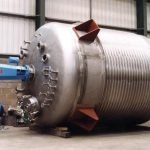
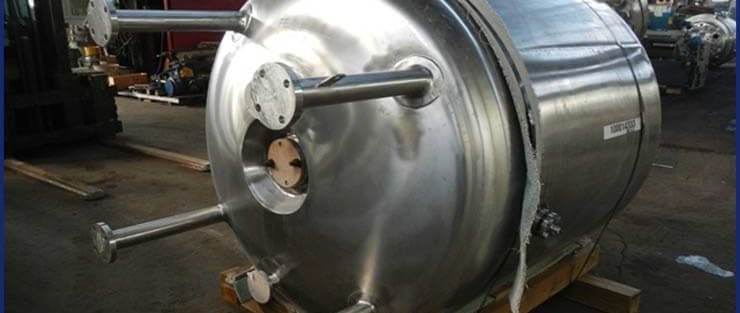
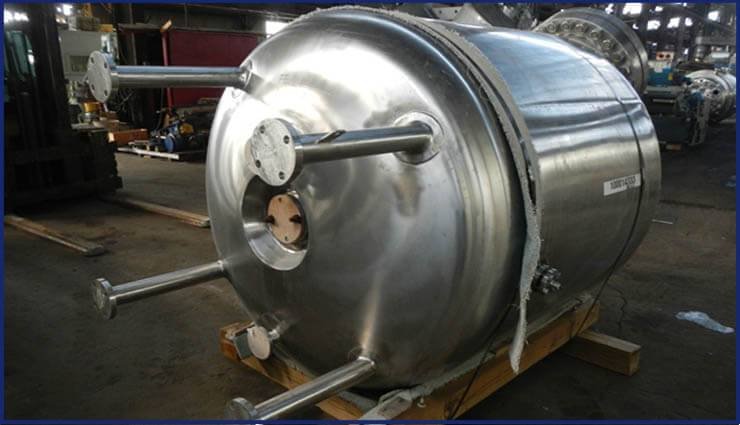
Inconel reactors are commonly used in industries dealing with high-temperature and corrosive chemical reactions, such as in chemical manufacturing, petrochemicals, and specialised pharmaceuticals. These reactors are designed for their exceptional resistance to oxidation and corrosion at high temperatures, particularly when handling aggressive chemicals. However, even materials like Inconel, which are known for their durability and strength, are not immune to failure under certain conditions.
One of the more concerning issues that can arise in Inconel reactors is leakage, especially when the reactor is used to handle highly reactive chemicals like bromine. Bromine, a halogen, is notoriously corrosive and volatile, making it particularly challenging to contain in industrial processes. A leakage issue in an Inconel reactor handling bromine could lead to significant safety risks, product loss, and equipment failure.
In this blog post, we will explore the potential causes of leakage in Inconel reactors when processing bromine and discuss ways to mitigate and prevent such failures.
Why Use Inconel for Bromine Handling?
Inconel is a high-performance nickel-chromium alloy that is known for its resistance to high temperatures, oxidation, and corrosion. This makes it a preferred choice for reactors and vessels that are exposed to extreme conditions, including those involved in chemical reactions with corrosive substances like bromine.
Bromine, being an element with highly reactive properties, can attack many metals, particularly in the presence of high heat or concentrated forms. Inconel’s ability to withstand both corrosion and high temperatures makes it a suitable candidate for reactors used in bromine-based processes. However, despite these benefits, leakage issues can still occur, which may compromise both the safety of the operation and the longevity of the reactor.
Potential Causes of Leakage in Inconel Reactors Handling Bromine
Several factors can contribute to leakage in Inconel reactors when processing bromine. Identifying the root cause of the issue is crucial for determining the appropriate solutions.
- Material Degradation Due to Bromine Exposure
While Inconel is highly resistant to corrosion, it is not immune to certain aggressive chemicals under extreme conditions. Bromine, especially when used in concentrated or gaseous forms, can gradually corrode and degrade the surface of Inconel over time. Bromine can lead to the formation of bromine gas (Br2) or hydrobromic acid (HBr), both of which are corrosive and can attack the reactor’s material, leading to pitting corrosion, cracking, or crevice corrosion.
- Pitting Corrosion: This localised form of corrosion can occur when the bromine reacts with the metal at a specific point on the surface, causing small holes or pits that weaken the reactor wall and eventually lead to leakage.
- Crevice Corrosion: In areas with poor flow, such as under gaskets or weld joints, the bromine may accumulate, creating conditions for crevice corrosion that could compromise the integrity of the reactor and result in leaks.
- Inadequate Sealing and Gasket Issues
Even if the Inconel material itself is resistant to corrosion, sealing and gasket materials used in the reactor could be a weak point. Standard sealing materials might not be designed to withstand the aggressive nature of bromine. Over time, bromine can degrade gaskets and seals, particularly those made from organic materials like rubber, PTFE, or certain elastomers. Once the seals degrade, it becomes easier for bromine to leak out, leading to potential safety hazards.
Worn-out seals and improper gasket installations can create gaps where bromine escapes, often without immediate detection, but leading to major risks of leakage if not addressed.
- Temperature and Pressure Fluctuations
Bromine processing typically takes place under elevated temperatures and pressures, and these conditions can exacerbate issues with reactor integrity. Thermal cycling, or rapid temperature fluctuations, can cause the Inconel alloy to expand and contract, potentially leading to microcracks or other weaknesses in the material. These microcracks can gradually grow, especially under pressure, eventually leading to a leak.
Likewise, if the internal pressure inside the reactor exceeds design limits, it can stress the reactor walls, causing deformation or rupture at weak points. Inconel reactors may be designed to handle high temperatures and pressures, but extreme fluctuations or mishandling of these parameters can trigger leakage issues.
- Incomplete Welding or Manufacturing Defects
If the Inconel reactor has undergone welding during manufacturing or maintenance, incomplete or defective welding could be a potential cause of leakage. Any small gaps or poorly fused areas in the welded joints can allow bromine to escape. Additionally, welding defects such as porosity, cracking, or lack of fusion can introduce weak points in the reactor that are prone to leakage under pressure or thermal stress.
- Inadequate Maintenance and Inspection
Routine maintenance and inspection are crucial to detect early signs of degradation or damage in reactors. Without proper inspection procedures, issues such as micro-cracks, wear on seals, and material degradation could go unnoticed, leading to leaks over time. In industries handling corrosive materials like bromine, visual inspections alone may not be sufficient; more advanced methods such as ultrasonic testing or dye penetrant testing might be necessary to ensure the integrity of the reactor walls, seals, and welds.
How to Prevent and Address Inconel Reactor Leakage
Addressing leakage in Inconel reactors, especially when handling bromine, requires a combination of preventive measures and prompt corrective actions. Below are several ways to mitigate and manage leakage issues:
- Use Advanced Coatings for Extra Protection
Applying protective coatings to the interior surfaces of the reactor can provide an additional layer of defence against bromine corrosion. Corrosion resistant coatings specifically designed for use with aggressive chemicals like bromine can help reduce the risk of degradation of the Inconel surface. These coatings, such as ceramic linings or epoxy-based coatings, create a barrier that prevents direct contact between the bromine and the reactor surface, thus extending the life of the reactor and preventing leakage.
- Upgrade Seals and Gaskets
To prevent leakage from degraded seals and gaskets, it’s important to choose materials that are resistant to bromine and can withstand its reactive nature. Materials such as fluoropolymer-based gaskets (e.g., PTFE or PFA) are often suitable for use with bromine. Regular inspection and replacement of seals and gaskets, particularly in high-risk areas such as joints and connections, is essential.
- Control Temperature and Pressure Conditions
Carefully monitoring and controlling temperature and pressure conditions within the reactor can reduce the risk of thermal cycling and pressure-induced failures. This includes ensuring that the reactor operates within the recommended limits specified by the manufacturer. Implementing temperature and pressure relief valves, pressure monitoring systems, and thermal insulation can help maintain stable operating conditions and prevent excess stress on the reactor.
- Regular Inspection and Maintenance
Frequent and thorough inspections are crucial to detect any signs of wear, degradation, or early-stage failure in the reactor. Utilising advanced non-destructive testing (NDT) methods like ultrasonic testing, X-ray inspections, or dye penetrant tests can help detect hidden cracks or defects in the Inconel reactor. Keeping up with scheduled maintenance, including seal replacement and welding inspection, will ensure that the reactor remains leak-free and safe for operation.
- Proper Welding and Fabrication Practices
Ensuring that welding is done according to high-quality standards is crucial for reactor integrity. This involves using qualified welders, proper pre- and post-welding heat treatments, and using Inconel-specific welding rods or filler materials. Inspection for welding defects should be a standard part of the reactor’s maintenance routine, especially after repairs or modifications.
Conclusion
Leakage in Inconel reactors handling bromine products is a serious issue that can lead to significant safety hazards, product loss, and operational downtime. While Inconel offers excellent resistance to corrosion, it is not immune to damage from highly reactive substances like bromine. Identifying the cause of leakage – whether from material degradation, sealing issues, pressure fluctuations, or welding defects – is crucial to implementing effective solutions.
By employing protective coatings, upgrading sealing materials, monitoring temperature and pressure conditions, and adhering to rigorous inspection and maintenance schedules, operators can significantly reduce the likelihood of leakage. Ensuring the safe operation of Inconel reactors handling bromine products is essential not only for maintaining reactor integrity but also for safeguarding workers, the environment, and the quality of the final product.
“CorroSafe” can help address leakage problems in Inconel reactors handling bromine and the benefits of incorporating this protective solution into your reactor maintenance and operational protocols.