Glass lined reactors are widely used in industries like chemicals, pharmaceuticals, and food processing for their ability to resist corrosion and provide a stable environment for chemical reactions. Their non-reactive nature makes them ideal for handling aggressive chemicals, especially in processes that involve strong acids, bases, and solvents. However, even glass-lined reactors are not immune to failure, especially if the operating conditions or material compatibility are not carefully managed.
A recent failure of a glass-lined reactor after just 15 batch cycles – with each batch lasting approximately 10 hours – has raised concerns among operators. In this blog post, we will explore the likely causes of this failure, the impact of incompatible products or improper process parameters, and the steps to prevent such incidents in the future.
What Is a Glass Lined Reactor?
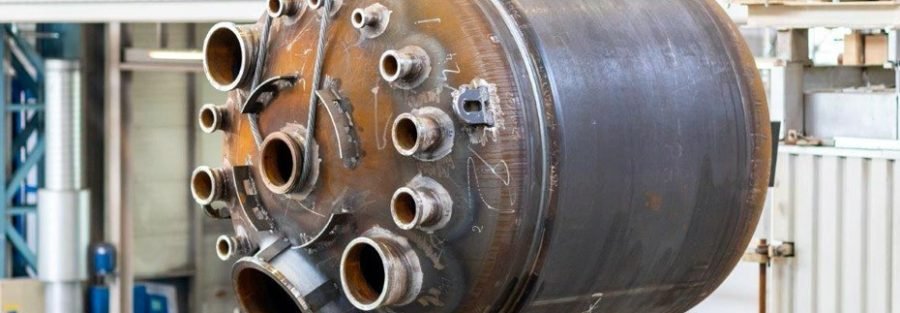
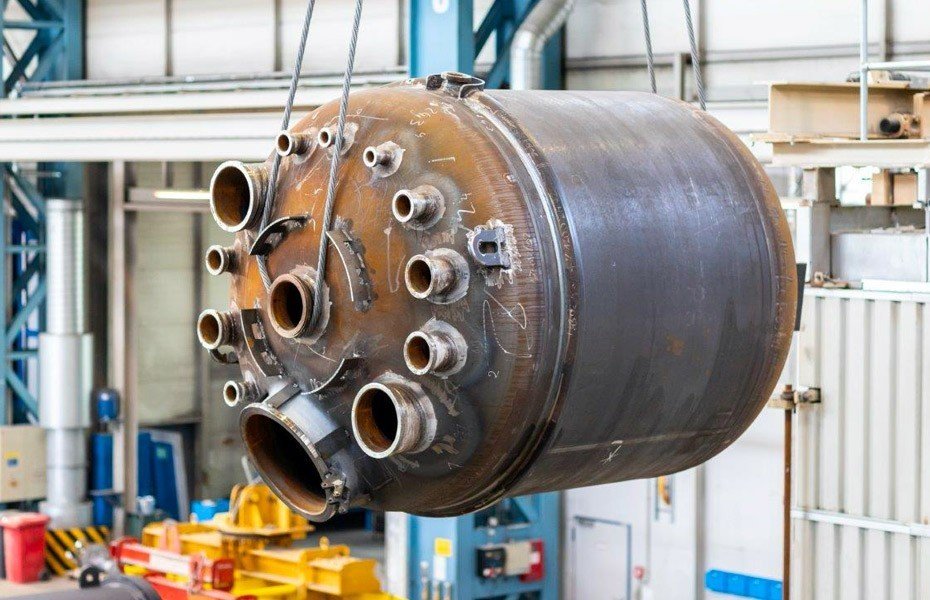
A glass-lined reactor consists of a steel vessel that is coated with a layer of glass to provide a non-reactive, corrosion-resistant surface. The glass lining protects the steel from aggressive chemicals and high temperatures, ensuring the longevity of the equipment and maintaining product quality. Glass-lined reactors are typically used in industries where chemical reactions involve substances that could corrode traditional metal reactors, such as hydrochloric acid, sulfuric acid, or other corrosive solvents.
These reactors are designed to handle high-pressure and high-temperature processes, making them versatile for many applications, such as mixing, distillation, and crystallisation.
The Failure Incident: 15 Batch Cycles and What Went Wrong
The reactor failure occurred after 15 batch cycles, each lasting about 10 hours. This relatively short operational period for a glass-lined reactor suggests that either the products in use were incompatible with the glass lining, or the process parameters were not followed properly. Let’s explore both of these possibilities in detail:
- Product Compatibility with Glass Lining
One of the most common causes of failure in glass-lined reactors is the incompatibility of the chemicals being processed with the glass coating. While glass linings are highly resistant to many types of corrosion, they are not impervious to all substances. Some chemicals – particularly strong alkalis, certain solvents, and reactive compounds – can cause the glass lining to degrade or crack over time. The two primary ways in which this incompatibility leads to failure are:
- Chemical Attack on the Glass Lining: Certain aggressive chemicals, such as concentrated hydrofluoric acid or strong alkalis like sodium hydroxide, can react with the glass surface, causing erosion or dissolution of the glass. This chemical attack weakens the glass lining and can result in cracks, chips, or even complete failure of the glass layer.
- Thermal Shock or Thermal Stress: If the products being processed involve significant temperature fluctuations, this can put additional stress on the glass lining. Thermal shock occurs when there is a rapid temperature change, causing the glass to expand or contract too quickly. Since glass has limited thermal expansion properties compared to steel, it can crack or chip if exposed to sudden temperature changes.
- Improper Process Parameters
Even when the product chemistry is compatible with the glass lining, failure can still occur if the process parameters are not carefully controlled. Some common process issues that could lead to reactor failure include:
- Excessive Temperature or Pressure: Glass-lined reactors are rated for specific temperature and pressure ranges. Operating outside these limits can cause the glass to weaken or crack. For example, high temperatures can cause thermal expansion issues, while high pressure can lead to mechanical stresses that the glass lining cannot withstand.
- Improper Stirring or Mixing Speeds: The agitation speed in the reactor should be carefully controlled to ensure uniform mixing without damaging the glass lining. High stirring speeds or the use of inappropriate agitators can lead to mechanical stresses on the glass, causing it to crack or break.
- Inadequate Cleaning or Maintenance: After each batch cycle, the reactor must be cleaned thoroughly to prevent buildup of chemical residues. If this is not done properly, leftover materials could interact with the glass lining, leading to localised corrosion or abrasion. Moreover, improper maintenance or failure to detect early signs of wear can accelerate the degradation process, ultimately leading to failure.
- Physical Damage or Manufacturing Defects
While not as common, physical damage or manufacturing defects in the glass lining could also contribute to failure. This can occur during installation, handling, or even cleaning procedures. If the glass lining was not applied correctly or had microscopic cracks from the outset, the reactor could experience premature failure under operational stress.
Consequences of the Reactor Failure
The failure of the glass-lined reactor after just 15 batch cycles can have significant consequences:
- Product Contamination: If the glass lining is damaged, the contents of the reactor can leak, causing contamination of the final product. This is especially critical in industries such as pharmaceuticals, where even minute contamination can ruin a batch or compromise product quality.
- Operational Downtime: Reactor failure leads to unscheduled downtime, halting production and potentially causing a delay in meeting customer demands. This downtime not only impacts productivity but also leads to increased repair and replacement costs.
- Safety Hazards: A failure in the reactor, especially one that results in leakage of chemicals or pressure release, poses a significant safety risk to personnel and the environment. This could lead to chemical spills, exposure to toxic substances, or even explosions in extreme cases.
- Increased Repair Costs: Replacing or repairing a glass-lined reactor can be expensive. Depending on the extent of the damage, it might be necessary to replace the entire reactor or to reline it, both of which involve significant costs and downtime.
Preventing Glass Lined Reactor Failure: Key Lessons Learned
To prevent the failure of glass-lined reactors, it is essential to address both product compatibility and process parameter management. Here are a few key lessons to ensure the longevity and safe operation of glass-lined reactors:
- Verify Product Compatibility
Before selecting materials for the reactor, always ensure that the chemicals being used are compatible with the glass lining. This involves reviewing material safety data sheets (MSDS) and consulting with equipment suppliers to confirm that the product chemistry will not degrade the glass lining. In some cases, alternative materials or liners may need to be considered if compatibility is a concern.
- Follow Manufacturer’s Guidelines for Process Parameters
To avoid damaging the reactor, always adhere to the recommended temperature, pressure, and stirring specifications provided by the manufacturer. These parameters are designed to ensure that the glass lining remains intact and functional throughout the batch cycle. Regular monitoring and adjustments are essential to keep the process within safe operational limits.
- Implement Proper Maintenance and Inspection Procedures
Routine maintenance and inspection are critical in identifying and addressing minor issues before they develop into major failures. This includes:
- Thorough cleaning after each batch to remove any residues that could interact with the glass.
- Regular inspections using non-destructive testing (NDT) methods to check for cracks, chips, or signs of corrosion on the glass lining.
- Proper handling and installation to avoid physical damage to the glass during maintenance activities.
- Conduct Regular Process Audits
In addition to ensuring product compatibility and following process parameters, regular process audits should be conducted. These audits can help identify deviations from standard operating procedures (SOPs) and ensure that the reactor is operating under optimal conditions.
Conclusion
The failure of a glass-lined reactor after just 15 batch cycles due to product incompatibility or improper process parameters highlights the critical importance of careful process design, material compatibility checks, and regular maintenance. Understanding the limitations of glass-lined reactors and adhering to proper operational guidelines can help prevent costly failures, ensure safety, and maintain consistent product quality.
By addressing the root causes of this failure – whether through better product selection, improved process control, or more rigorous maintenance practices – operators can avoid similar issues in the future and extend the lifespan of their glass-lined reactors, ultimately improving overall operational efficiency and safety.
“Corrosafe”, a specialised corrosion protection solution, can prevent failures due to material incompatibility or improper process conditions. “Corrosafe” offers a proactive approach to enhance the durability of glass-lined reactors and ensure long-term reliability by addressing the root causes of reactor degradation.