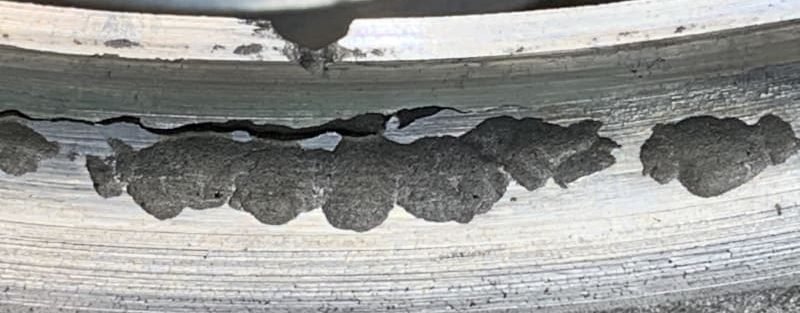
Welding is a critical process in various industries, including construction, manufacturing, and oil and gas. Unsound welds can compromise the structural integrity, safety, and reliability of welded components.
In this blog, we’ll explore the causes, consequences, and prevention strategies for unsound welds.
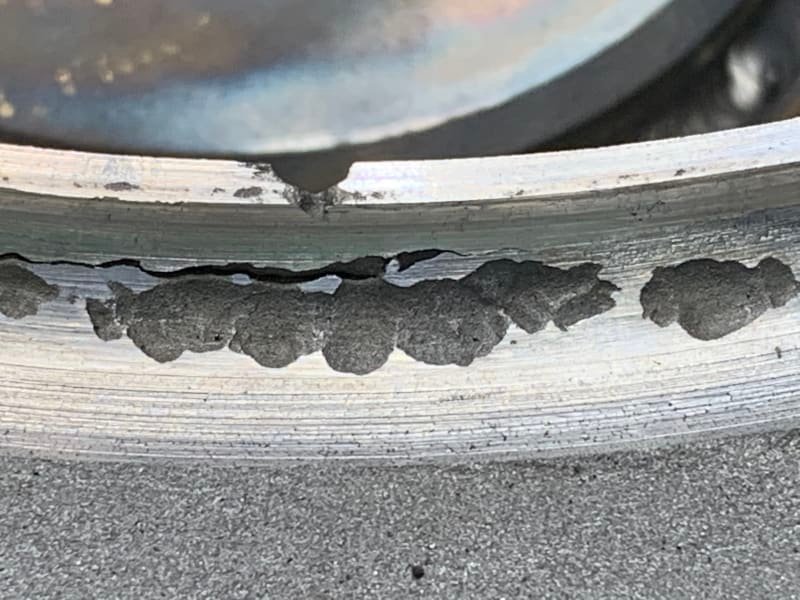
Causes of Unsound Welds
- Inadequate Training: Insufficient welder training or experience.
- Poor Welding Techniques: Incorrect welding parameters, inadequate heat input, or improper joint preparation.
- Contamination: Presence of oils, greases, or other substances on the weld surface.
- Incompatible Materials: Welding dissimilar metals or using incorrect filler materials.
- Inadequate Inspection: Failure to detect defects or discontinuities.
Consequences of Unsound Welds
- Structural Failure: Collapse or catastrophic failure of welded components.
- Safety Risks: Injury or loss of life due to weld failure.
- Equipment Damage: Premature equipment failure or costly repairs.
- Downtime and Maintenance: Unplanned shutdowns and maintenance.
- Economic Losses: Financial losses due to repair, replacement, or litigation.
Types of Unsound Welds
- Porosity: Presence of gas pockets or voids in the weld.
- Inclusions: Entrapped foreign materials, such as slag or flux.
- Lack of Fusion: Incomplete fusion between the base metal and filler material.
- Cracks: Fractures or fissures in the weld or heat-affected zone.
- Undercutting: Excessive removal of base metal at the weld toe.
Prevention Strategies
- Welder Training and Certification: Ensure welders meet industry standards.
- Welding Procedure Specification (WPS): Develop and follow standardised welding procedures.
- Material Selection: Verify compatibility of base metals and filler materials.
- Pre-Weld Cleaning: Clean the weld surface to prevent contamination.
- Regular Inspection: Conduct visual, radiographic, or ultrasonic testing.
Best Practices for Unsound Weld Repair
- Assess Weld Integrity: Evaluate the extent of damage or defects.
- Remove Defective Weld: Completely remove the unsound weld.
- Repair or Replace: Repair or replace the affected component.
- Verify Weld Integrity: Conduct testing to ensure weld soundness.
Conclusion
Unsound welds can have severe consequences on structural integrity, safety, and reliability. Understanding the causes, consequences, and prevention strategies can help mitigate risks.
Require Expert Guidance? Reach out to “CorroSafe” for customised advice and effective solutions.