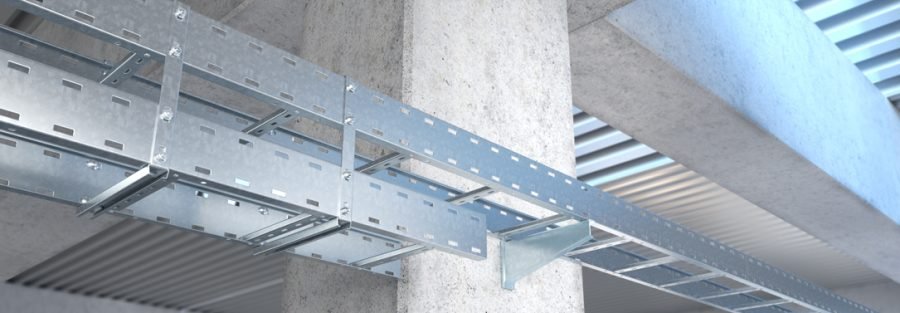
Cable tray structures are ubiquitous in modern infrastructure, supporting critical electrical and communication systems. Ensuring the structural stability of these systems is paramount to prevent accidents, downtime, and economic losses.
In this blog, we’ll delve into the key factors influencing cable tray structural stability and provide guidance on design, installation, and maintenance best practices.
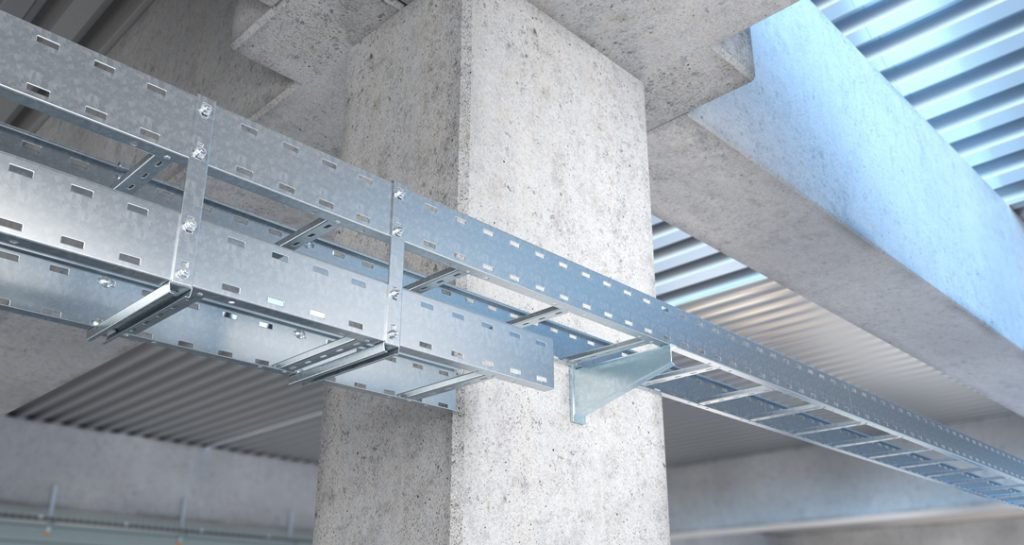
Importance of Structural Stability
Cable tray structures must withstand various loads, including:
- Dead loads (weight of cables, trays, and supports)
- Live loads (wind, seismic, and external forces)
- Environmental factors (temperature, humidity, and corrosion)
A structurally unstable cable tray system can lead to:
- Cable damage or disruption
- Fire hazards
- Electrical shock or electrocution
- System downtime and revenue loss
Key Factors Influencing Structural Stability
- Material selection: Cable trays are typically made from steel, aluminium, or fibreglass. Choose materials that meet or exceed industry standards (e.g., NEMA, IEC).
- Design and configuration: Ensure proper tray sizing, spacing, and routing to minimise stress concentrations.
- Load calculation: Accurately calculate dead and live loads to determine required support frequencies.
- Support systems: Select suitable supports (e.g., brackets, hangers, or trapeze systems) and ensure proper installation.
- Installation quality: Verify proper alignment, levelling, and securing of trays and supports.
- Environmental conditions: Consider temperature, humidity, and corrosion factors when selecting materials and designing the system.
- Maintenance and inspection: Regularly inspect and maintain the system to prevent damage and degradation.
Design and Installation Best Practices
- Follow industry standards: Adhere to NEMA, IEC, or local regulations.
- Conduct load calculations: Determine required support frequencies and material thickness.
- Use suitable materials: Select materials resistant to environmental conditions.
- Ensure proper tray sizing: Avoid overloading or under-loading trays.
- Install supports correctly: Verify proper alignment, levelling, and securing.
- Test and inspect: Perform thorough testing and inspection before commissioning.
Maintenance and Inspection Tips
- Regularly inspect: Check for signs of damage, corrosion, or wear.
- Clean and maintain: Keep trays and supports free from debris and moisture.
- Tighten supports: Verify secure fastening of supports and trays.
- Monitor environmental conditions: Address temperature, humidity, or corrosion issues.
- Update documentation: Maintain accurate records of inspections, maintenance, and modifications.
Conclusion
Structural stability is crucial for cable tray systems, ensuring safety, reliability, and minimising downtime. By considering key factors, following design and installation best practices, and maintaining regular inspections, you can guarantee a stable and efficient cable tray structure.
By prioritising structural stability, you’ll protect your investment, prevent accidents, and ensure uninterrupted operation of critical systems.
Have you experienced cable tray structural stability issues? Share your experiences and questions in the comments below!