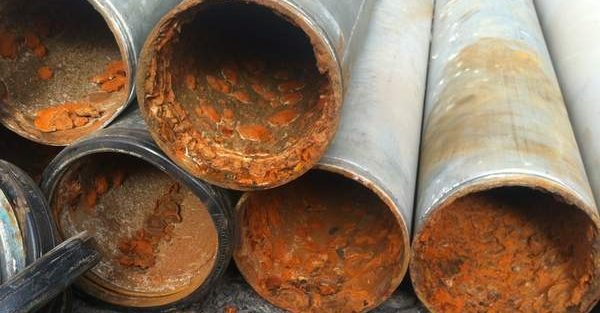
Fire hydrant lines are critical infrastructure for firefighting and public safety. However, coating failures on these lines can compromise their integrity, leading to corrosion, leaks, and potentially catastrophic consequences.
In this blog, we’ll explore the causes, consequences, and prevention strategies for coating failures on fire hydrant lines.
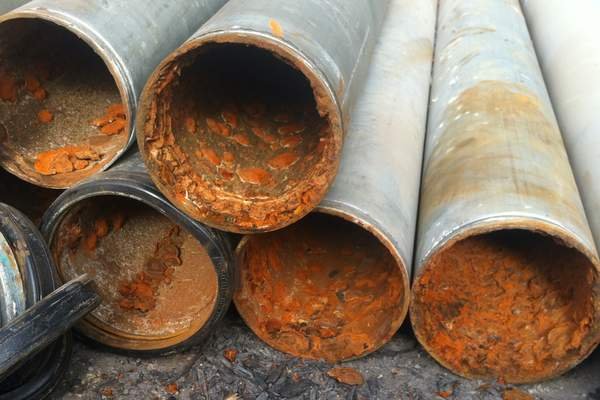
Causes of Coating Failure:
- Inadequate Surface Preparation: Poor surface cleaning and preparation can lead to coating adhesion issues.
- Incorrect Coating Selection: Choosing the wrong coating for the environment and conditions can result in premature failure.
- Insufficient Thickness: Inadequate coating thickness can compromise its effectiveness.
- Environmental Factors: Exposure to extreme temperatures, UV radiation, and chemicals can degrade coatings.
- Ageing and Wear: Coatings can deteriorate over time due to natural ageing and wear.
Consequences of Coating Failure:
- Corrosion and Leaks: Exposed metal can corrode, leading to leaks and reduced water pressure.
- Reduced Firefighting Capability: Compromised fire hydrant lines can fail during emergency situations.
- Safety Risks: Leaks can create slippery surfaces and electrical hazards.
- Maintenance and Repair Costs: Coating failure can result in costly repairs and replacement.
- Regulatory Non-Compliance: Failure to maintain fire hydrant lines can lead to regulatory penalties.
Prevention Strategies:
- Regular Inspections: Schedule frequent inspections to detect coating damage.
- Proper Surface Preparation: Ensure thorough surface cleaning and preparation.
- Correct Coating Selection: Choose coatings suitable for the environment and conditions.
- Thickness Verification: Ensure adequate coating thickness.
- Maintenance and Repair: Address coating damage promptly.
- Cathodic Protection: Consider cathodic protection systems to prevent corrosion.
Best Practices:
- Develop a Maintenance Schedule: Regularly inspect and maintain fire hydrant lines.
- Implement Coating Inspection Protocols: Use non-destructive testing methods.
- Train Personnel: Educate maintenance staff on coating inspection and repair.
- Upgrade Coating Materials: Consider advanced coating technologies.
- Document Maintenance: Keep detailed records of maintenance and repairs.
Conclusion:
Coating failure on fire hydrant lines can have severe consequences. By understanding the causes, consequences, and prevention strategies, facilities can ensure the integrity and reliability of these critical systems.
Coating Failure on Fire Hydrant Lines? Expert Solutions Ahead!
Don’t let coating failures compromise your fire safety! Our consultants offer:
- Comprehensive assessments
- Accurate diagnoses
- Tailored solutions
- Enhanced plant protection
- Optimised performance