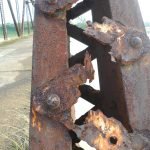
Blisters on a pipeline’s coating might seem like a small issue, but recent studies have uncovered a surprising link between these blisters and AC-induced corrosion.
In this blog, we’ll dive into how blisters can actually worsen AC-induced corrosion, the risks this poses, and the steps pipeline operators can take to counteract this problem.
How Blisters and AC-Induced Corrosion Are Connected
- Blisters create focused zones for AC currents: These areas amplify the effects of AC currents, making the corrosion process more intense.
- Blisters act as “corrosion hotspots”: They speed up the electrochemical reactions, leading to faster and more severe corrosion.
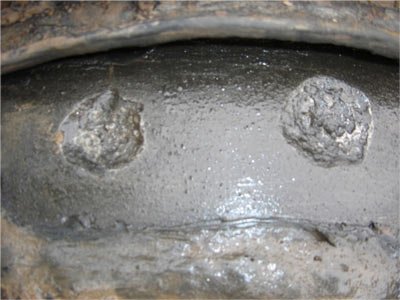
The Risks and Impact of Blisters on Pipelines
- Accelerated corrosion: The presence of blisters can dramatically increase the rate at which corrosion occurs.
- Potential for pinhole leaks and ruptures: These can lead to pipeline failures, posing serious risks.
- Compromised pipeline strength and dependability: Overall pipeline performance and safety are diminished.
- Environmental and safety hazards: Leaks and ruptures can result in environmental damage and pose significant safety hazards.
Key Factors That Amplify Blisters’ Effect on Corrosion
- Size and shape of blisters: Larger or irregularly shaped blisters can cause more damage.
- Condition of the coating: Older or damaged coatings are more susceptible.
- AC voltage and frequency: Higher levels can worsen the situation.
- Soil conditions: Soil moisture and chemistry can play a role in how blisters influence corrosion.
Strategies to Prevent and Manage Blister-Related Corrosion
- Regular inspections and upkeep: Routine checks help catch and address blisters early.
- Coating repairs and upgrades: Fixing damaged coatings can prevent blister formation.
- Optimizing cathodic protection systems: Fine-tuning these systems can help combat corrosion.
- AC mitigation methods: Techniques like impressed current or grounding can reduce the impact of AC-induced corrosion.
Final Thoughts
Blisters might seem insignificant, but their role in enhancing AC-induced corrosion is a serious concern. Pipeline operators need to stay vigilant and take action to prevent and manage blisters. By recognizing the link between blisters and corrosion, we can ensure pipelines remain safe and reliable. Don’t ignore the threat of blisters – act now to protect your assets!
Reach out to us for a free consultation and tailored solutions.